
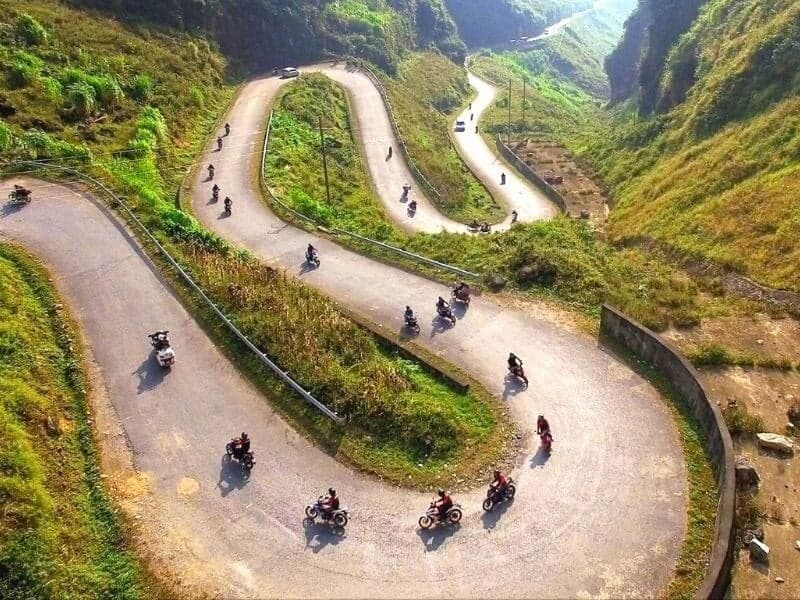
What to Do After the Ha Giang Loop: 5 Perfect Destinations to Continue Your Northern Vietnam Journey
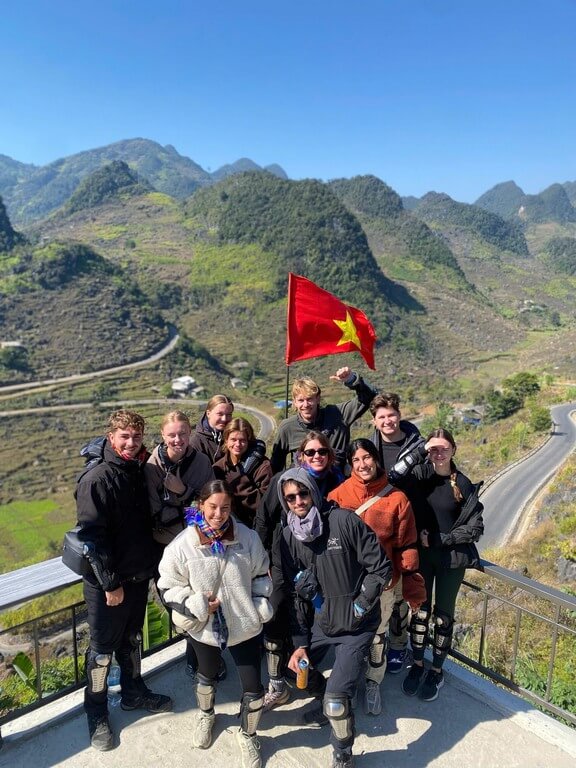
The Ha Giang Loop delivers towering mountain passes, winding roads, and unforgettable moments that stay with you long after the ride ends. But once the engines cool down and the helmets come off, many travelers find themselves asking the same question: what to do after the Ha Giang Loop? With guidance from Mikey Ha Giang, this guide will help you choose the next destination that matches your pace, energy, and travel style.
If the dramatic mountain scenery of Ha Giang still has you craving more, Cao Bang is the most natural continuation of your journey. Less crowded and deeply unspoiled, this northern province feels like a quieter, more remote cousin of Ha Giang - perfect for travelers who want to stay off the beaten path.
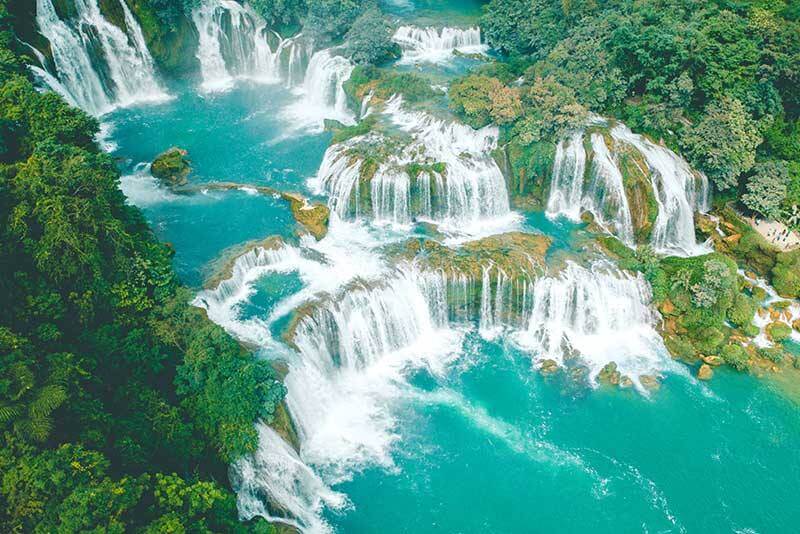
Cao Bang is home to Ban Gioc Waterfall, one of the most impressive waterfalls in Southeast Asia and one of the few located directly on an international border. The surrounding karst mountains, rivers, and valleys create a cinematic landscape that rewards slow exploration. Many travelers also choose to ride or explore parts of the Cao Bang Loop, which offers scenic roads without the heavy traffic found in more popular destinations.
Traveling from Ha Giang to Cao Bang is an adventure in itself. Riding a motorbike allows you to experience legendary mountain passes such as Me Pia Pass, famous for its tight hairpin turns and sweeping views. The journey takes around eight to ten hours and is best suited for confident riders. For those who prefer rest over riding, overnight sleeper buses operate on this route, offering a more relaxed but less scenic alternative.
Once there, take time to admire Ban Gioc Waterfall up close, explore the vast chambers of Nguom Ngao Cave, and drift along the emerald waters of the Quay Son River by boat. For a quieter moment, Thang Hen Lake offers fresh air, calm scenery, and a peaceful break from the road.
After days of riding mountain roads, Ba Be National Park is the perfect place to reset both body and mind. Centered around Vietnam’s largest natural freshwater lake, Ba Be offers a tranquil atmosphere where nature sets the pace.
Ba Be feels like the opposite of Ha Giang - in the best possible way. Instead of steep limestone peaks and endless curves, you’ll find still water, dense forest, and a slower rhythm of life. It’s an excellent destination for travelers who want to recover, reflect, and reconnect with nature after an intense loop.
From Ha Giang, travelers typically head toward Bac Kan town by bus, then continue by local transport into the national park. Motorbike riders can also reach Ba Be independently, though the route requires careful navigation due to smaller roads and limited signage.
A boat trip across the lake is essential, taking you to highlights such as Fairy Pond, Puong Cave, and Dau Dang Waterfall. Kayaking allows you to explore hidden corners at your own pace, while staying overnight in a Tay ethnic homestay gives you a deeper cultural experience, complete with home-cooked meals and local stories.
For travelers who want to swap motorbike adventures for walking trails and cultural immersion, Sapa is a rewarding next stop. Known worldwide for its terraced rice fields and mountain villages, Sapa offers a different but equally memorable side of northern Vietnam.
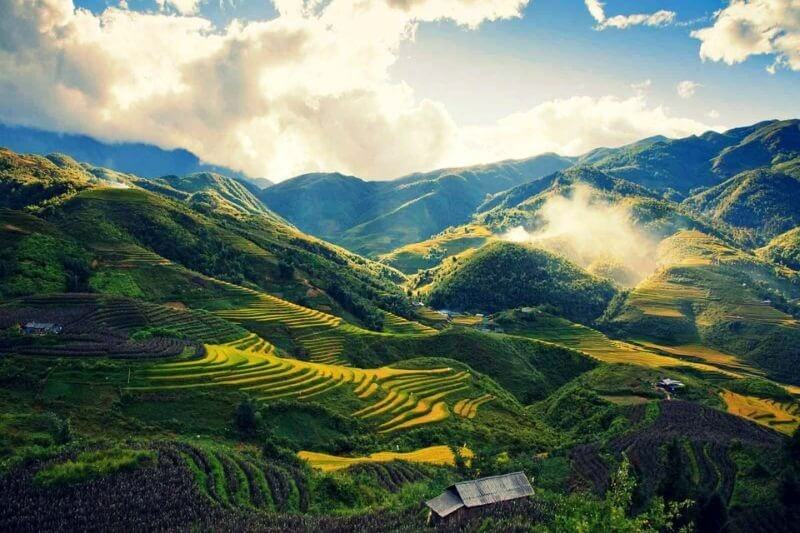
Sapa combines dramatic scenery with well-developed trekking routes. It’s home to several ethnic groups, including the H’Mong and Red Dao, and trekking between villages provides insight into daily life in the highlands. The experience is less about speed and more about connection—with the land and its people.
Overnight sleeper buses run regularly between Ha Giang and Sapa, making this a convenient and budget-friendly option. The journey takes roughly eight to nine hours and allows you to arrive early in the morning, ready to explore.
Many travelers choose to ride the cable car to Fansipan, the highest peak in Indochina, while others prefer multi-day treks through Muong Hoa Valley, Lao Chai, and Ta Van villages. Evenings in Sapa are perfect for enjoying local dishes such as grilled meats, salmon hotpot, and exploring the lively night market.
After days surrounded by peaks and valleys, transitioning to the coast can feel refreshing. Halong Bay and Cat Ba Island offer limestone seascapes that contrast beautifully with the highlands of Ha Giang.
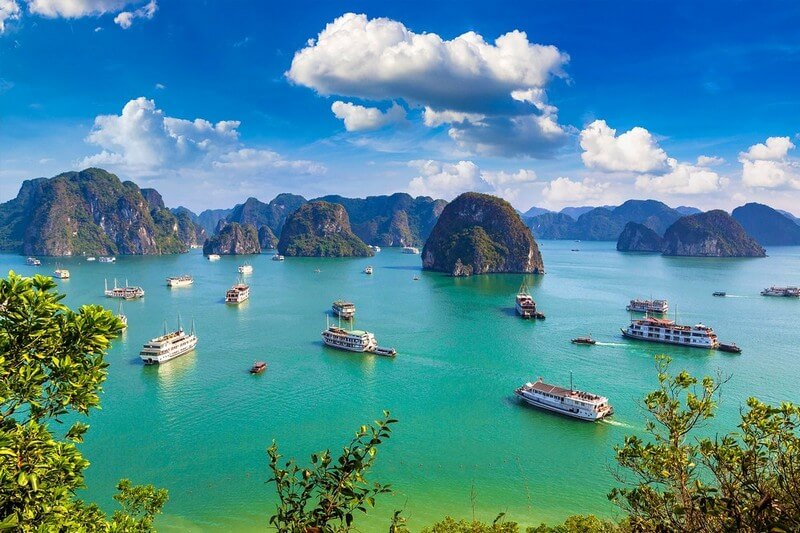
Moving from rugged mountains to calm waters creates a balanced northern Vietnam itinerary. A cruise through Halong Bay or a stay on Cat Ba Island allows you to unwind, enjoy fresh seafood, and experience Vietnam’s most iconic seascapes.
Most travelers return to Hanoi from Ha Giang via overnight bus, then continue onward to Halong Bay or Cat Ba. While the journey is long, the reward is a completely different environment that adds variety to your trip.
If time is limited, Ninh Binh is a fantastic alternative, often called “Halong Bay on land.” Boat rides through Trang An or Tam Coc glide past rice fields and limestone cliffs, offering a peaceful yet impressive experience within easy reach of Hanoi.
For others, returning to Hanoi is the smartest move. As Vietnam’s main transport hub, the capital makes it easy to continue south, fly internationally, or simply enjoy a few days of street food, cafés, and cultural sights before your next adventure.
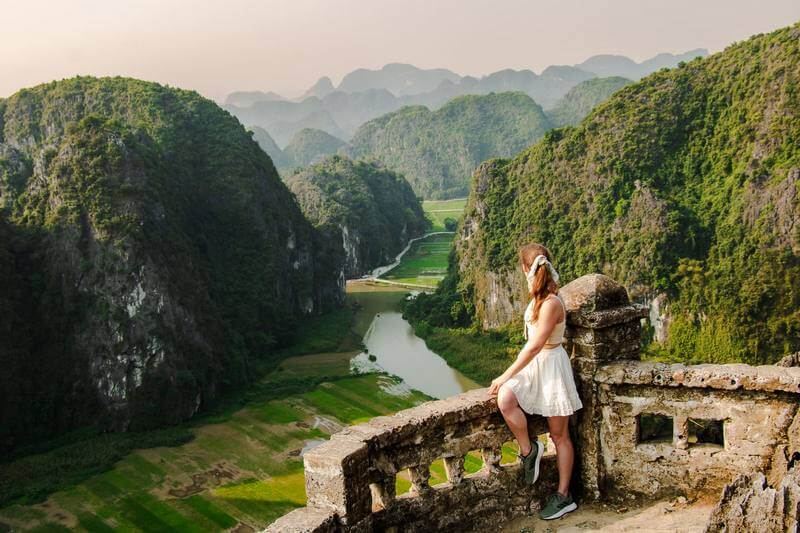
After completing the legendary Ha Giang Loop, many travelers find themselves asking what to do after the Ha Giang Loop - and the truth is, your journey doesn’t have to end there. Beyond the final mountain pass lies a slower, deeper side of Ha Giang that most riders rush past. This is the perfect time to rest your body, reflect on the ride, and turn your adventure into a more meaningful cultural experience.
With Mikey Ha Giang, you can continue exploring the region through thoughtfully designed post-loop tours that focus on local life, hidden villages, peaceful valleys, and authentic ethnic culture. Whether it’s spending an extra night in a remote homestay, visiting traditional markets, joining a cultural walking tour, or easing into a scenic return route, Mikey Ha Giang helps you transition from adrenaline to appreciation - without the stress of planning. If you’re wondering what comes next after the Ha Giang Loop, let Mikey Ha Giang guide you into the stories, people, and landscapes that make Ha Giang unforgettable.