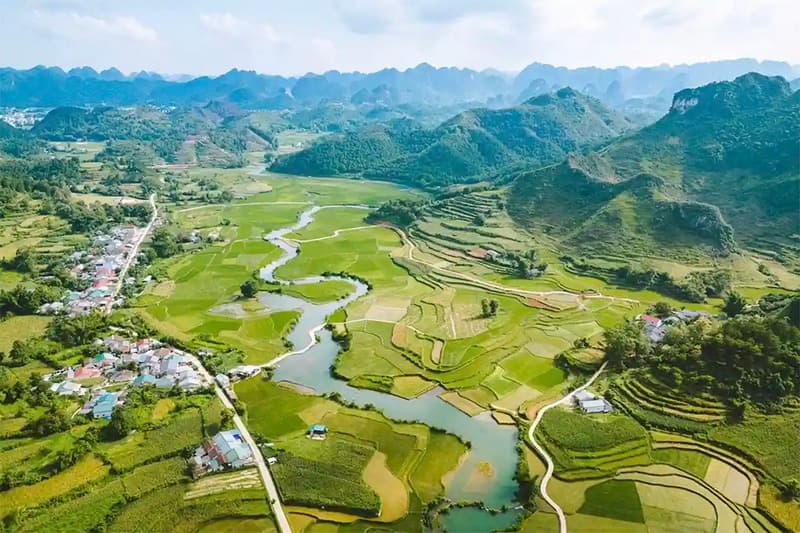
Nestled in Vietnam's remote northeastern frontier, Cao Bang is a land of staggering geological wonders, rich cultural tapestries, and winding mountain roads that call to the adventurer's spirit. If you are looking for things to do in Cao Bang Vietnam, this guide offers a detailed look at its essential attractions and the celebrated motorbike loop. We will cover everything from majestic waterfalls to practical travel tips, helping you craft a journey through one of the country's most compelling regions.
Beyond the striking visuals, Cao Bang offers a depth that rewards curious travelers. It's a province where the landscape tells a billion-year-old story and where ancient cultures continue to thrive. A trip here is as much an education as it is an adventure.
Why Consider a Trip to Cao Bang, Vietnam?
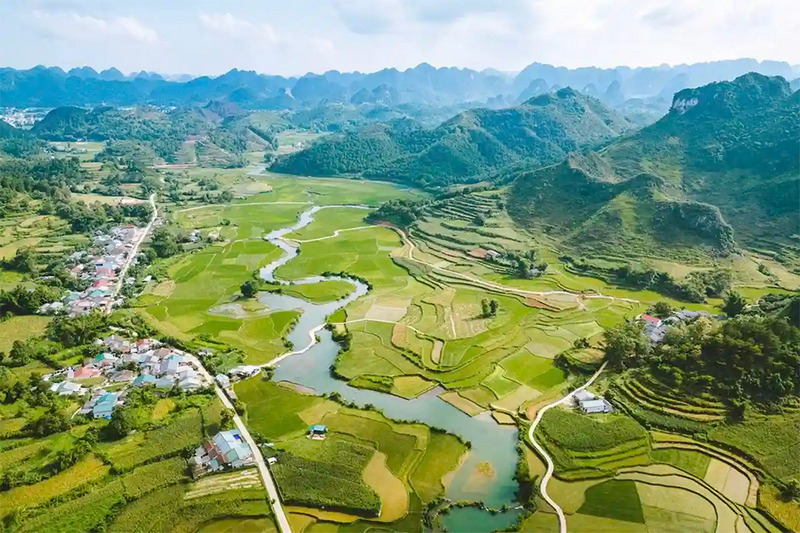
The entire province of Cao Bang is recognized as a UNESCO Global Geopark, a testament to its exceptional geological heritage. This isn't just a title; it signifies a landscape shaped by ancient tectonic activity, resulting in a dramatic collection of karst peaks, deep valleys, pristine rivers, and expansive cave systems. For you, the traveler, this means every turn in the road reveals a view of profound natural beauty, offering a direct connection to Earth's long and complex history.
Cao Bang is a cultural mosaic, predominantly home to the Tay and Nung ethnic communities. This cultural richness is woven into the fabric of daily life. You'll see it in the traditional stilt houses nestled against limestone cliffs, the intricate patterns of indigo-dyed clothing, and the warm hospitality offered at local homestays. Engaging with these communities provides a perspective on a way of life that is deeply connected to the mountains and rivers of this region.
While the entire geopark is an attraction in itself, several key sites form the cornerstones of any Cao Bang itinerary. These destinations showcase the province's natural and historical significance.
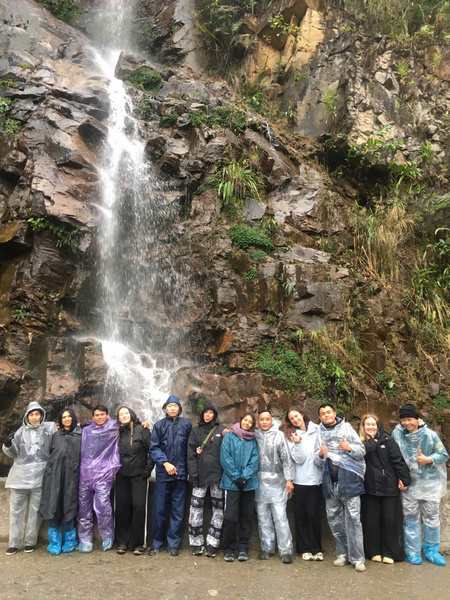
Perhaps the most iconic image of Cao Bang, Ban Gioc Waterfall is an awe-inspiring sight. Straddling the border between Vietnam and China, it is one of the largest waterfalls in Southeast Asia. The Quay Son River cascades down multiple tiers, sending a fine mist into the air that catches the sunlight. You can take a bamboo raft trip to get closer to the main thundering cascade for a truly impressive perspective. The surrounding landscape of green fields and limestone pinnacles completes the picturesque scene.
Ban Gioc Waterfall: A Majestic Border Landmark
Just a few kilometers from Ban Gioc lies Nguom Ngao Cave, a colossal underground world. The name translates to 'Tiger Cave' in the local Tay language, stemming from an old legend. A well-lit pathway guides you through a fraction of its total length, revealing vast chambers adorned with incredible limestone formations. Look for stalactites and stalagmites that resemble lotus flowers, terraced rice fields, and coral reefs. The sheer scale and intricate details make it a fascinating subterranean adventure.
For a dose of modern Vietnamese history, the Pac Bo Historical Complex is a significant stop. This is where Ho Chi Minh returned to Vietnam in 1941 after three decades in exile. You can visit Coc Bo Cave, his modest hideout, and see the place where he worked and translated key historical texts. The area is also remarkably beautiful, with the turquoise waters of the Lenin Stream flowing gently through the forested landscape. It's a tranquil place for reflection on both history and nature.
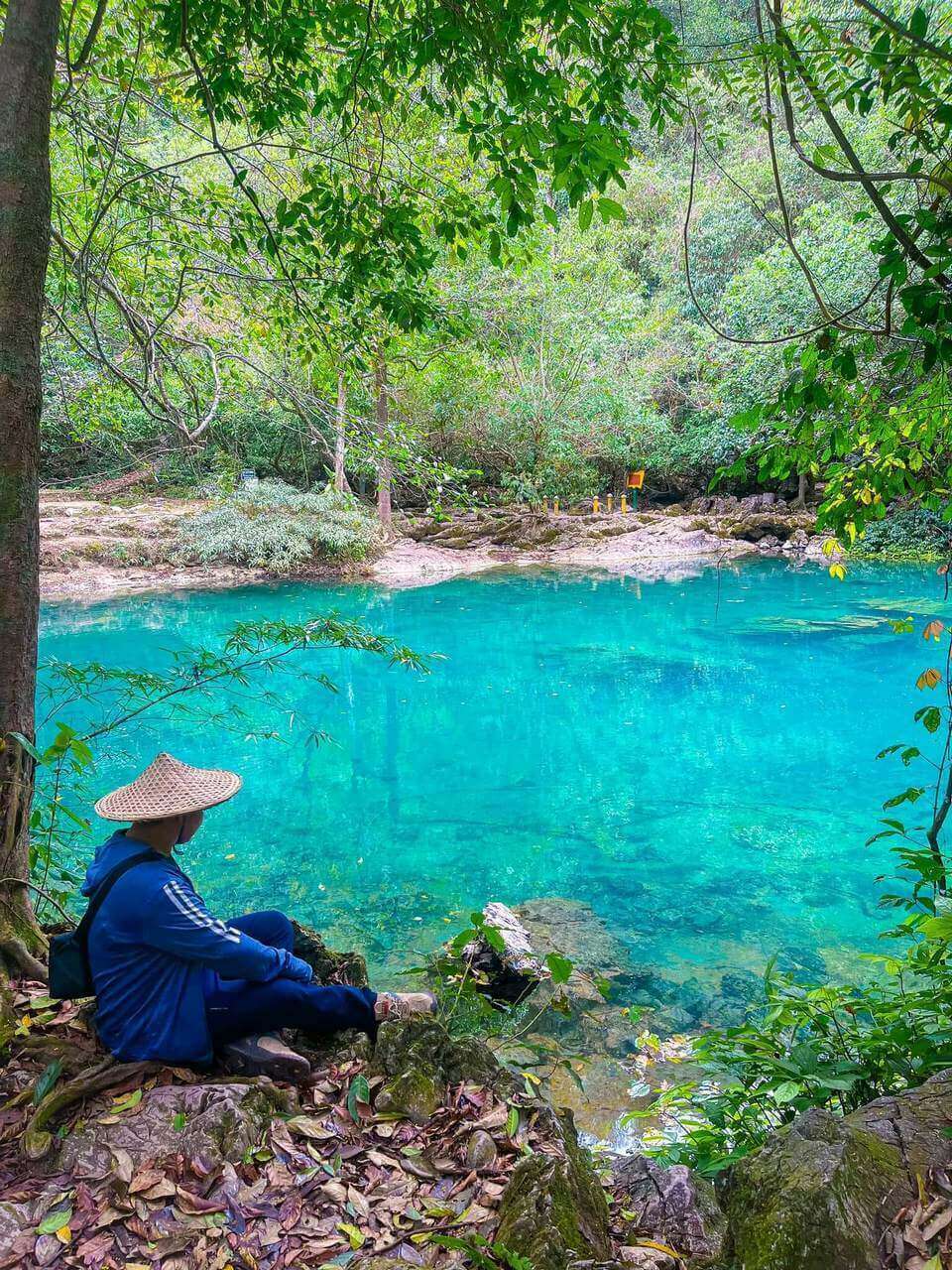
Pac Bo Historical Complex And Lenin Stream
Thang Hen Lake is a beautiful system of 36 interconnected freshwater lakes set amidst a verdant valley. The water level fluctuates with the seasons, and a unique feature is its daily tide, influenced by an underground river system. The calm, emerald waters are ideal for a relaxing boat trip, offering a peaceful contrast to the powerful rush of Ban Gioc. It's a wonderful spot to unwind and absorb the serenity of Cao Bang's highlands.
The Cao Bang Loop is arguably one of the most scenic motorbike routes in Vietnam. It connects the province's main attractions through a series of winding mountain roads, offering unparalleled freedom and discovery. A well-planned Cao Bang itinerary is key to a successful journey.
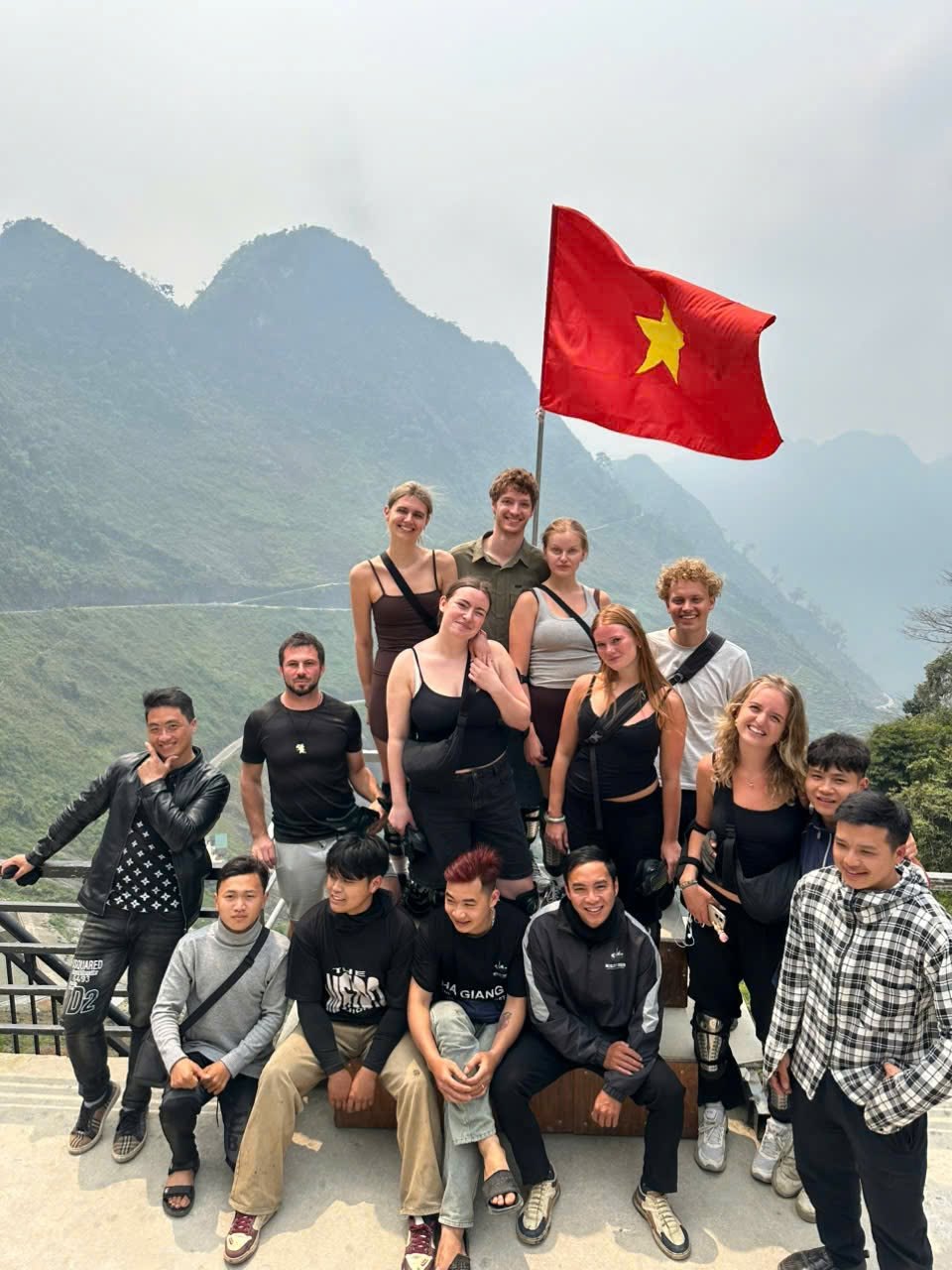
Navigating the Cao Bang Loop: An Adventurer's Itinerary
A typical loop starts and ends in Cao Bang City. While Ban Gioc and Nguom Ngao are primary targets, the route holds many other gems. Consider adding these to your map:
Ma Phuc Pass: One of the first scenic passes you'll encounter when heading east from Cao Bang City.
Me Pia Pass: A famous 14-level pass near Bao Lac, known for its hairpin turns and dramatic views.
Phuc Sen Forging Village: A traditional Nung village where you can observe artisans crafting tools using age-old techniques.
We recommend downloading offline maps like Google Maps or Maps.me, as mobile signals can be unreliable in remote areas.
To comfortably experience the loop without feeling rushed, plan for 3 to 4 days. This allows enough time not only to see the main sights but also to make spontaneous stops, interact with locals, and fully appreciate the landscapes. A 2-day trip is possible but would be very rushed and you would miss much of the journey's charm.
Renting a semi-automatic or manual motorbike is the popular choice for the loop. Before you set off, remember these safety points:
Inspect the Bike: Check the tires, brakes, lights, and horn before leaving the rental shop.
Wear a Helmet: Always wear a quality helmet. It is required by law and essential for your safety.
Drive Defensively: Roads can be narrow, and you may encounter livestock or large trucks on blind corners. Drive at a sensible speed.
Have a Valid License: Ensure you have the appropriate international driving permit and license for your journey.
A smooth trip requires good planning. Here is the essential information you need, from transportation to local food, to build your complete Cao Bang travel guide.
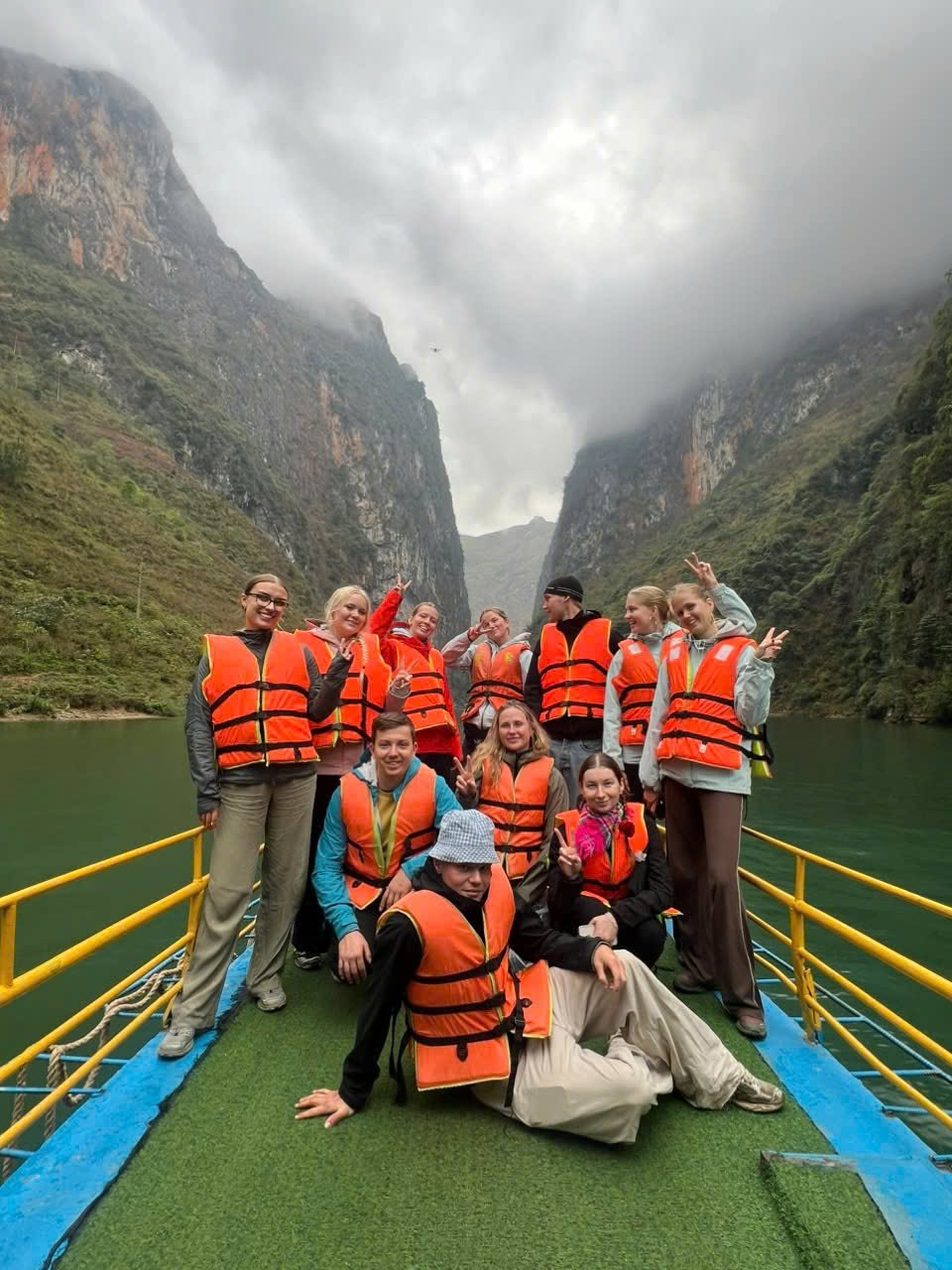
Practical Information for Your Cao Bang Trip
The journey from Hanoi to Cao Bang is straightforward, with several reliable options available. The distance is approximately 280 kilometers.
Sleeper Bus: This is a common and budget-friendly option. Buses depart from My Dinh Bus Station in Hanoi, usually in the evening, arriving in Cao Bang early the next morning.
Limousine Van: For more comfort, limousine vans offer fewer seats and a more direct journey. They can be booked online or through travel agencies in Hanoi.
Cao Bang's beauty changes with the seasons, each offering a unique experience.
September to October: Many consider this a favorable period. The rainy season has subsided, the waterfalls are full, and the rice terraces turn a brilliant gold before the harvest.
April to May: The weather is generally pleasant, and the landscape is lush and green after the spring rains.
Winter (December to February): Be prepared for cold weather, especially at night. However, the skies are often clear, and you may even see frost or snow on the highest peaks.
Accommodation in Cao Bang caters to various preferences. In Cao Bang City, you will find a range of hotels suitable for different budgets. Along the loop, particularly near Ban Gioc Waterfall and in villages like Phuc Sen, staying in a local homestay is highly recommended. It offers a wonderful opportunity to experience Tay or Nung culture and hospitality firsthand.
The local food is a highlight of any trip to the region. Be sure to try some of Cao Bang's specialties:
Vit quay 7 vi (7-flavor roasted duck): A famous local dish where duck is marinated with 7 different spices and roasted to perfection.
Banh cuon Cao Bang (Cao Bang steamed rice rolls): A unique version of the classic Vietnamese dish, served with a clear bone broth for dipping.
Xoi tram (Purple sticky rice): Sticky rice steamed with the fruit of the canarium tree, giving it a distinct purple color and subtle flavor.
Banh trung kien (Ant egg cake): A seasonal and unique delicacy made from the eggs of black forest ants, wrapped in fig leaves.
Cao Bang is a destination that stays with you long after you leave. It is a place of immense natural power, quiet historical reflection, and genuine human connection. Planning is part of the fun, but remember to leave room for the unexpected moments that often become the most cherished memories.
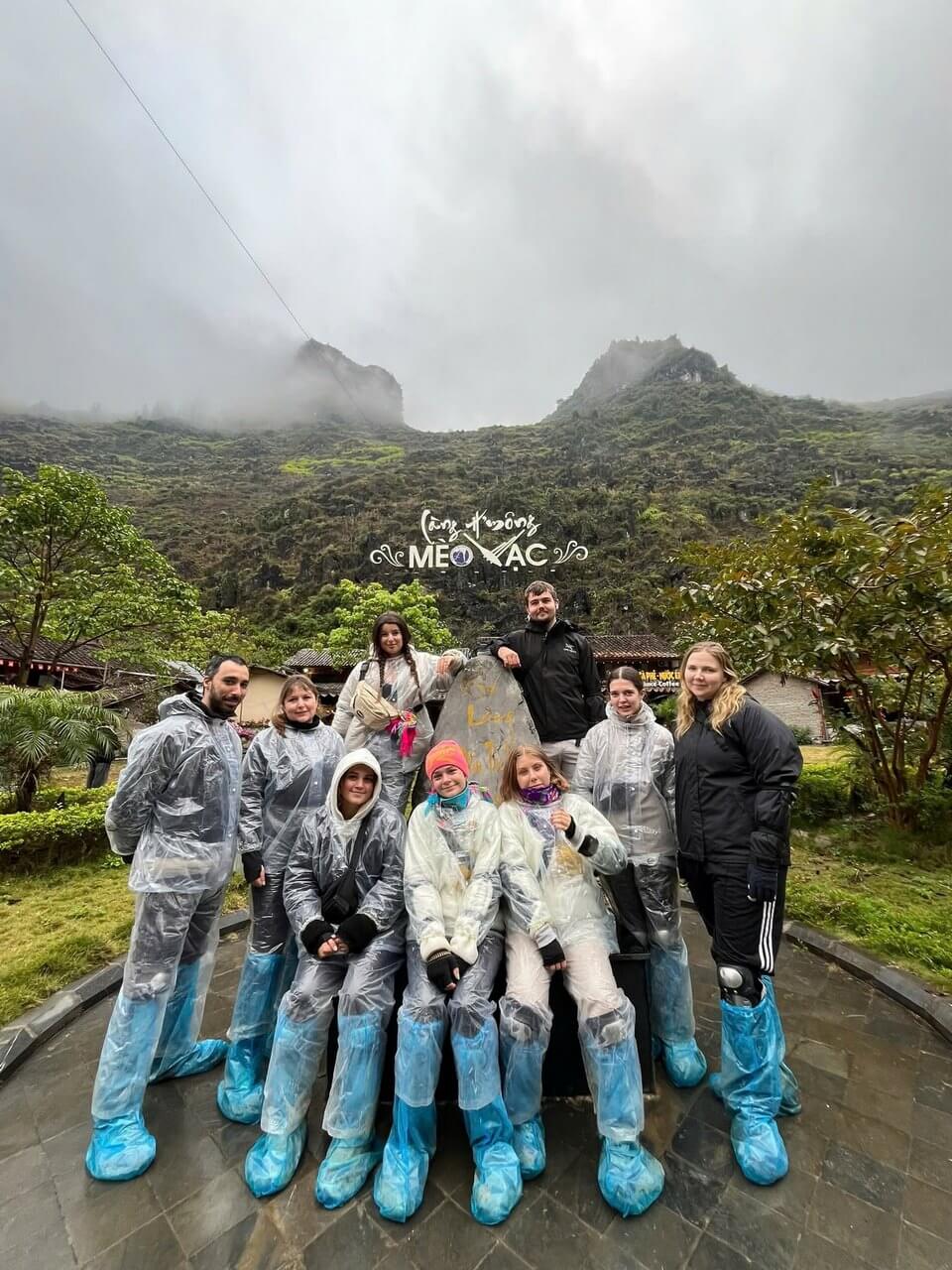
Final Thoughts for Your Cao Bang Adventure
Allow at least 3 days to properly experience the Cao Bang loop.
Embrace the local culture by staying in a homestay and trying regional dishes.
Always prioritize safety when riding a motorbike—check your gear and drive with awareness.
Download offline maps before you go, as connectivity can be limited.
While the pools at the base of Ban Gioc Waterfall look inviting, swimming is often not permitted or advisable. The currents can be strong and unpredictable, especially during and after the rainy season. Always look for official signage and follow the guidance of local operators. Safety should always be the priority when exploring such a powerful natural landmark.
From standing before the spectacular Ban Gioc Waterfall and exploring Nguom Ngao Cave to discovering Angel Eye Mountain, Pac Bo, traditional villages, and quiet mountain roads, there is no shortage of memorable things to do in Cao Bang Vietnam. Yet what makes Cao Bang special is not simply the number of attractions. It is the feeling of traveling through a region where dramatic nature, local culture, and everyday life still exist side by side.
Exploring such a mountainous region also requires thoughtful planning, especially when you want to experience more than the most famous stops. With Mikey Ha Giang, you can discover Cao Bang through carefully designed routes, local knowledge, and authentic experiences without having to manage every detail yourself.
Choose a Mikey Ha Giang tour and let our local team take you beyond the landmarks to experience the landscapes, communities, and hidden corners that make Cao Bang one of Northern Vietnam's most rewarding adventures.