
If you are searching for the breathtaking beauty of the terraced rice fields in Ha Giang, you are in exactly the right place. These magnificent landscapes, shaped by both human hands and natural forces, are among Vietnam’s most awe-inspiring sights. Our comprehensive guide will be your trusted companion, helping you plan every detail - from choosing the perfect season to discovering the most spectacular mountain routes - so you can experience these agricultural masterpieces at their very best.
When people mention Ha Giang, they often think first of dramatic mountain passes and winding roads. Yet the true soul of this northern province lies in its terraced rice fields. These layered hillsides are not merely farmland; they are living works of art carved into the mountains.
Why Ha Giang's Terraced Rice Fields Are an Unforgettable Spectacle
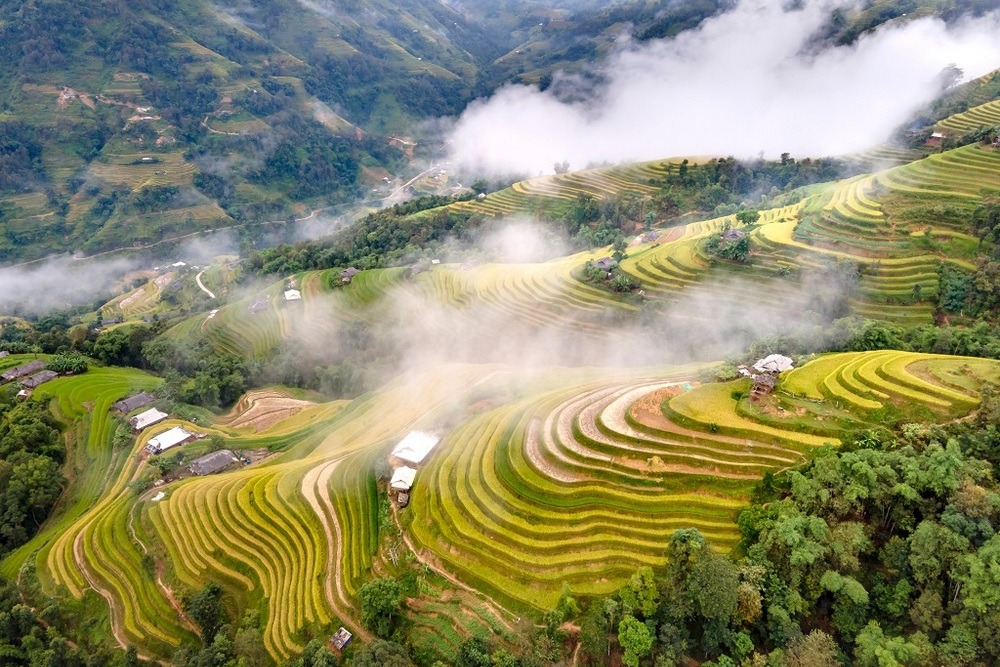
Imagine long, flowing ribbons wrapping around towering slopes. That is the visual poetry of the terraced rice fields in Ha Giang. Created over generations by ethnic communities such as the Dao, Nung, and La Chi, each terrace represents extraordinary resilience and creativity.
For centuries, local farmers transformed steep, unforgiving mountainsides into stepped agricultural systems that capture water, prevent erosion, and sustain livelihoods. Every curve reflects both engineering wisdom and cultural heritage. These terraces are not only productive farmland but also one of Vietnam’s most remarkable agricultural wonders.
The beauty of Ha Giang’s rice terraces extends far beyond their visual appeal. In particular, the Hoang Su Phi terraced fields have been officially recognized as a National Heritage Site. This distinction acknowledges their historical, cultural, and agricultural value.
These terraces are inseparable from the spiritual beliefs and daily lives of local communities. Farming practices align with lunar calendars, ancestral rituals, and seasonal festivals. The landscape tells a story of harmony between people and nature, where survival depends on respect for the mountains and climate.
Timing is essential when planning your journey. Ha Giang offers two prime seasons to witness the terraces at their most beautiful. Each season delivers a completely different atmosphere and photographic opportunity. Choosing the right one depends on the experience you seek.
When Is the Best Time to See the Rice Terraces in Ha Giang?
During the pouring water season, mountain streams are redirected into the terraces in preparation for planting. Fields transform into shimmering mirrors that reflect blue skies and drifting clouds.
The landscape becomes a striking composition of earth-brown soil, fresh green seedlings, and silvery water surfaces. This period marks the beginning of a new agricultural cycle, and the air feels peaceful and rejuvenating. Photographers particularly appreciate the reflective textures that create dramatic compositions.
The most anticipated time of year is the golden season in Ha Giang. As rice ripens, hillsides turn into vast oceans of gold. Wind moves through the fields like rolling waves, creating dynamic patterns across entire valleys.
This period also coincides with Vietnam’s harvest season, allowing visitors to observe local farmers gathering crops with traditional tools. The atmosphere becomes lively and celebratory, symbolizing abundance and prosperity.
If you prefer tranquil landscapes and reflective photography, the pouring water season offers a unique visual experience. If you seek dramatic color and vibrant harvest energy, the golden season provides unmatched grandeur. Both seasons reveal different personalities of the terraced rice fields in Ha Giang.
If terraced rice fields are Ha Giang’s signature highlight, then Hoang Su Phi is the crown jewel. This remote western district offers some of the most expansive and dramatic terraces in Vietnam.
Where to Find the Most Breathtaking Views: A Guide to Hoang Su Phi
Located approximately 100 kilometers from Ha Giang City, Hoang Su Phi features steep slopes and sweeping valleys layered with rice steps. The journey to reach this region can be challenging due to narrow mountain roads and winding passes. However, the reward justifies the effort.
Here, terraces cascade down hillsides in intricate geometric patterns, often reaching astonishing heights. Standing at a viewpoint during sunrise or sunset feels like watching light paint the mountains.
Each commune offers distinct visual characteristics.
Ban Phung features some of the highest terraces in Vietnam. Clouds often float beneath the fields, creating a surreal sensation of standing above the sky.
Ban Luoc showcases terraces shaped in smooth, flowing curves resembling golden silk ribbons.
Ho Thau combines beautiful terraces with cultural encounters. This area is home to Red Dao communities, offering insight into traditional dress, herbal medicine, and local architecture.
Although Hoang Su Phi remains the most famous destination, other districts such as Xin Man also feature impressive terraces. Even along the Dong Van – Meo Vac route, smaller stepped fields cling dramatically to rocky slopes, adding unique contrast to the limestone plateau scenery.
This is one of the most common questions travelers ask. Both Ha Giang and Sapa are famous for their terraced rice fields, yet the overall experience in each destination is completely different. The better choice ultimately depends on your travel style and expectations.
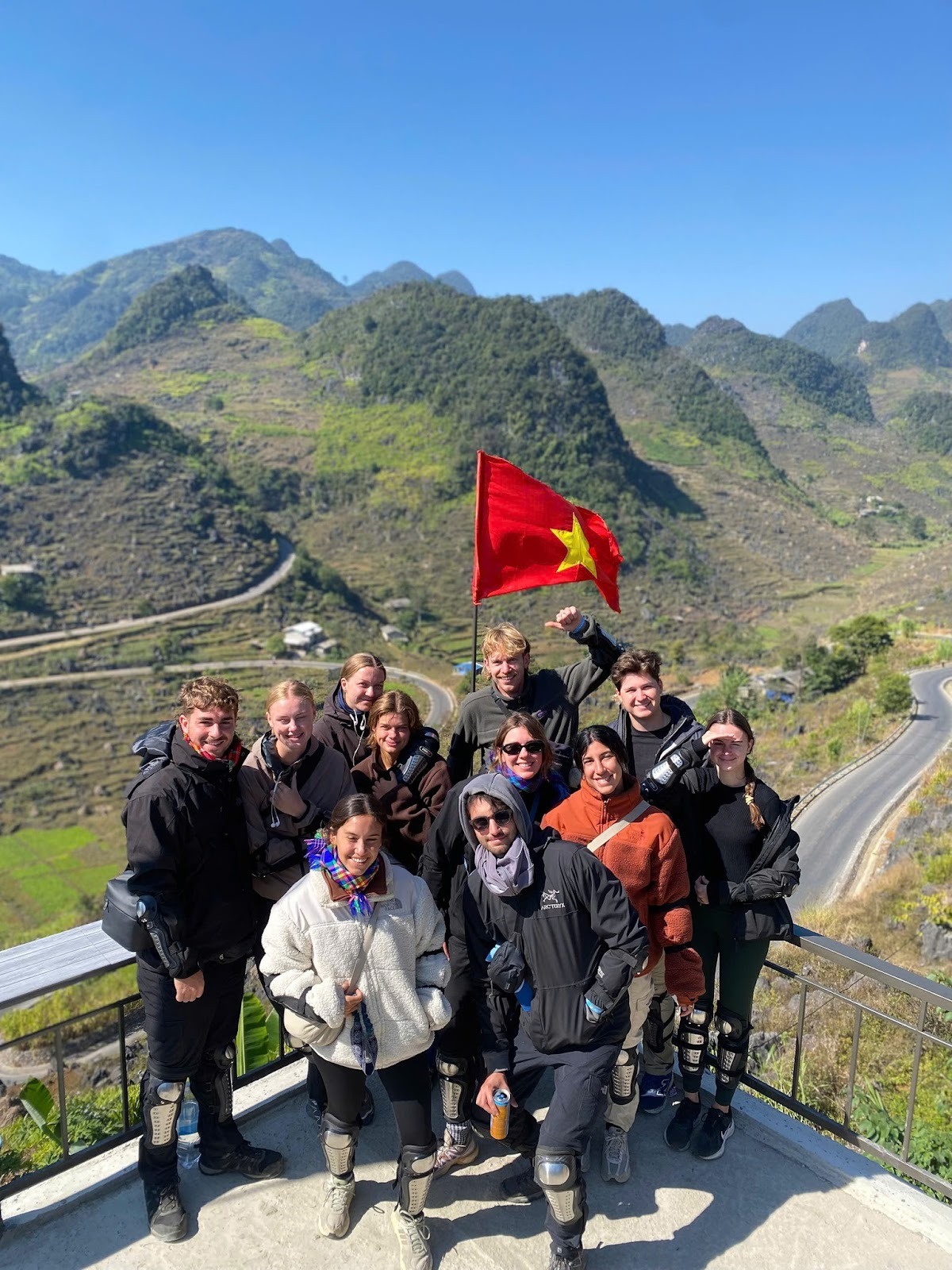
Ha Giang vs. Sapa: Which is Better for Rice Fields?
The terraced rice fields in Ha Giang, especially in Hoang Su Phi, possess a wild, dramatic, and monumental beauty. The landscape here feels untouched and far less commercialized. Tourism infrastructure remains limited, which preserves the authenticity of the environment and local life.
Traveling through Ha Giang is not only about reaching a destination; the journey itself becomes part of the adventure. Mountain passes are steeper, roads are narrower, and distances feel more remote. This region is ideal for travelers who embrace challenge, independence, and the reward of discovering breathtaking scenery that feels genuinely earned.
Sapa, on the other hand, benefits from a much more developed tourism system. Transportation is convenient, accommodation options are abundant, and restaurants cater easily to international visitors. The terraced rice fields in Sapa are undeniably beautiful, especially in areas like Muong Hoa Valley.
However, Sapa’s popularity has led to greater commercialization. The terraces are often surrounded by tourist villages, cafes, and organized tours. This makes Sapa an excellent choice for travelers seeking comfort, accessibility, and a more relaxed itinerary without navigating remote mountain roads.
If you are someone who values authenticity, large-scale dramatic landscapes, and an adventurous spirit, Ha Giang is the stronger choice. The terraced rice fields in Ha Giang deliver a more immersive and powerful visual experience. For those willing to travel deeper into the mountains, the reward is extraordinary.
Planning a journey to Ha Giang requires thoughtful preparation, especially when your goal is to explore remote terraced landscapes. Transportation decisions and route planning are essential to ensure safety and maximize your time.
The distance from Hanoi to Ha Giang City is approximately 300 kilometers. Several transportation options are available:
Sleeper bus: This is the most popular and economical choice. Overnight buses allow you to save both travel time and the cost of one hotel night.
Limousine van: A more comfortable option with fewer passengers, offering slightly faster travel time.
Private car: Ideal for groups who prefer flexibility and door-to-door convenience.
Most travelers choose overnight sleeper buses, arriving in Ha Giang early in the morning and beginning their journey immediately.
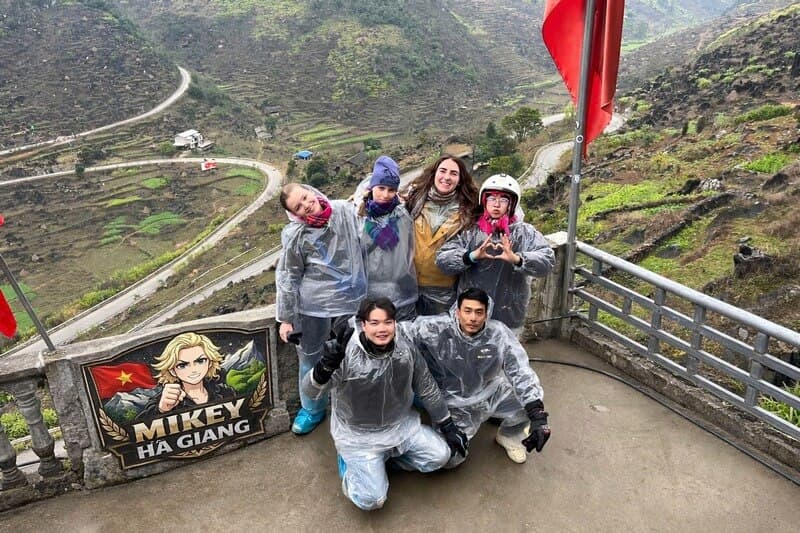
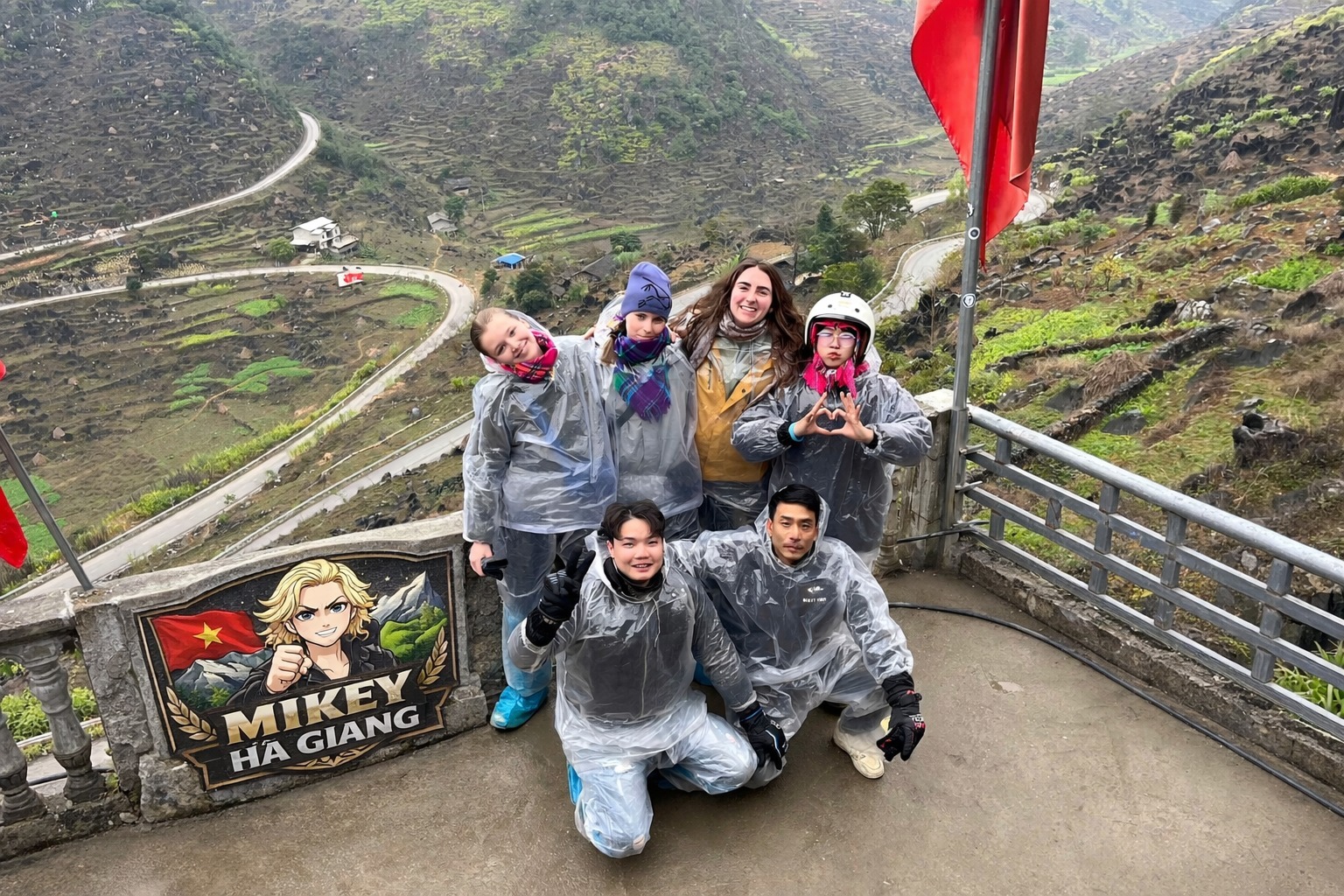
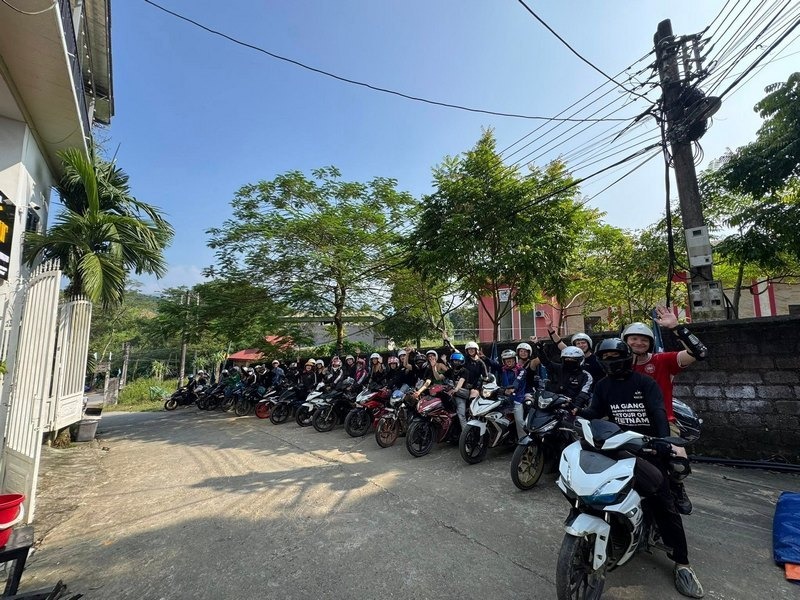 Easy rider motobike tour with Mikey Ha Giang
From Ha Giang City, you must travel roughly 100 kilometers further to reach Hoang Su Phi. Although the distance may not seem long, the route is mountainous, narrow, and filled with steep passes.
You can rent a motorbike if you are confident in your riding skills. Alternatively, hiring a private car with a local driver is a safer and more comfortable option. Local drivers understand road conditions and can navigate hidden viewpoints you might otherwise miss.
This is one of the most important decisions for your trip.
Motorbike: Perfect for experienced riders who want freedom. You can stop anywhere for photos, explore small village roads, and fully immerse yourself in nature. However, the terrain demands strong riding skills.
Private car with driver: Provides safety, comfort, and peace of mind. This option is especially recommended during the rainy season or if you are unfamiliar with mountainous driving conditions.
Your choice depends on your confidence level and travel preferences.
To help you visualize your journey more clearly, here is a detailed 4-day, 3-night Ha Giang itinerary focused entirely on exploring the terraced rice fields. You may adjust it according to your schedule and interests.
Take an overnight sleeper bus from Hanoi the evening before. You will arrive in Ha Giang City early in the morning. After checking into your accommodation and resting, rent a motorbike or arrange your transportation. Spend the afternoon exploring the city lightly and preparing for the mountain journey ahead.
Depart early for Hoang Su Phi. The route offers continuous mountain views, winding roads, and glimpses of rural life. Drive slowly and appreciate the journey itself.
Arrive in Hoang Su Phi during the afternoon. Check into a local homestay overlooking the terraces. In the evening, watch the sunset spread across the stepped fields, turning them into layers of warm gold or shimmering reflections depending on the season.
Dedicate this entire day to exploring Hoang Su Phi’s most famous communes, including Ban Phung, Ban Luoc, and Ho Thau. Trek between villages, interact with local ethnic communities, and photograph panoramic viewpoints.
You may also learn about traditional farming methods and seasonal agricultural practices. This is the day to immerse yourself fully in the culture and rhythm of mountain life.
After breakfast, travel back from Hoang Su Phi to Ha Giang City. Return your rented vehicle and board an evening sleeper bus back to Hanoi.
As the bus heads south, you will carry with you not only photographs of the terraced rice fields in Ha Giang, but also the memory of landscapes shaped by patience, resilience, and generations of human effort.
The terraced rice fields in Ha Giang are more than just a stunning landscape carved into the mountains. They represent generations of resilience, patience, and harmony between people and nature. From the golden harvest season in September and October to the shimmering water-filled terraces in early summer, each moment offers a different but equally breathtaking perspective of the highlands.
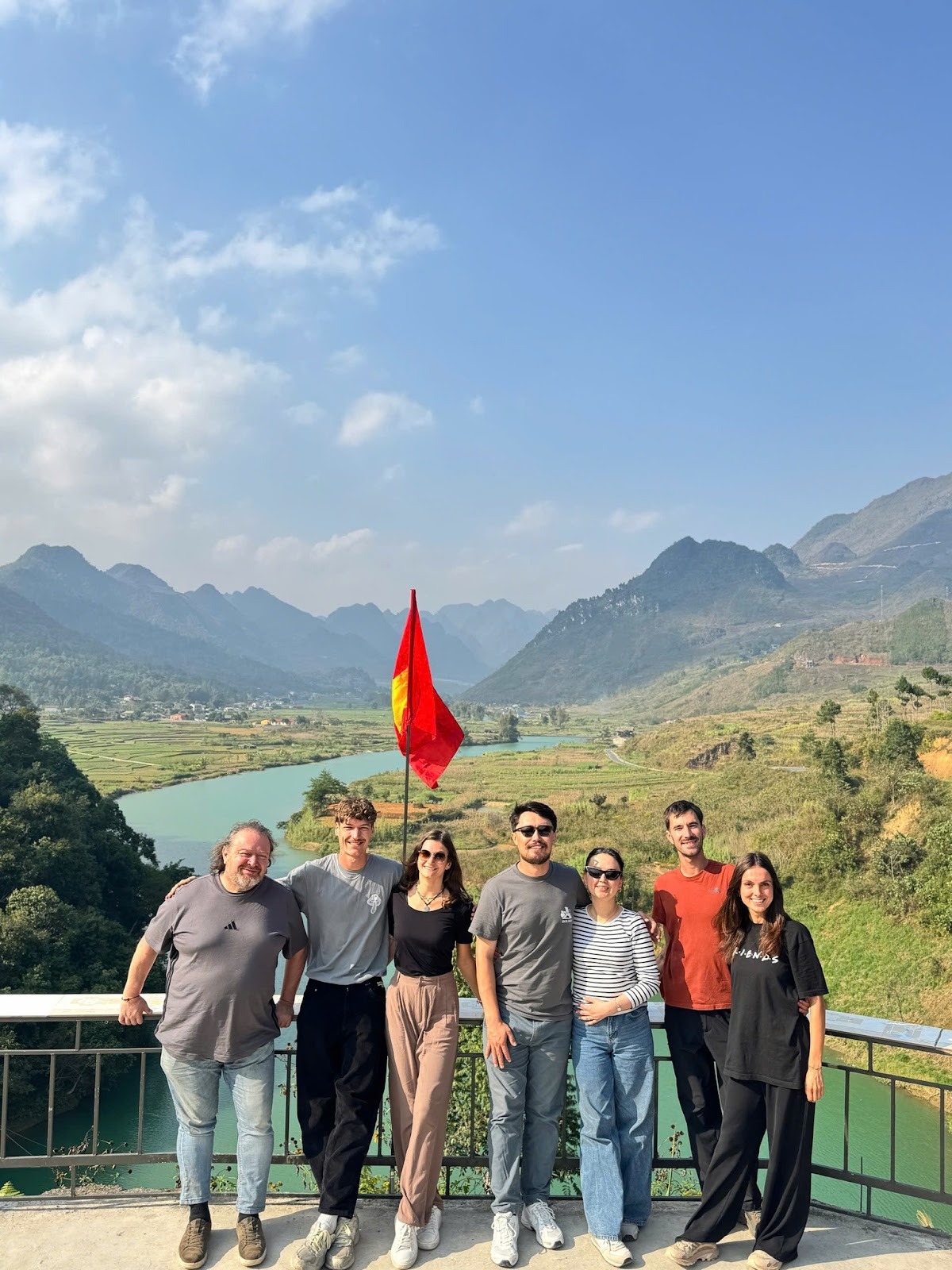
To truly experience the terraced rice fields in Ha Giang, timing, local knowledge, and careful route planning make all the difference. With Mikey Ha Giang, your journey is designed to bring you to the most beautiful viewpoints, authentic villages, and hidden valleys at the right time of day. Instead of rushing between stops, you can slow down, connect with local communities, and fully appreciate the rhythm of mountain life. Let Mikey Ha Giang turn your rice terrace adventure into a meaningful and unforgettable experience.