
Considering the rainy season Ha Giang loop? It’s a journey of breathtaking emerald landscapes and cascading waterfalls, but also one that demands respect and careful planning. This guide from Mikey Ha Giang giving you an honest look at the pros, the real risks, and the non-negotiable safety steps to make your adventure both epic and secure.
Let's start with a straight-up, honest conversation. The idea of conquering the Ha Giang Loop during the monsoon season is thrilling. It conjures images of misty mountains and landscapes so green they almost hurt your eyes. And that picture is absolutely true. But it's only half the story.
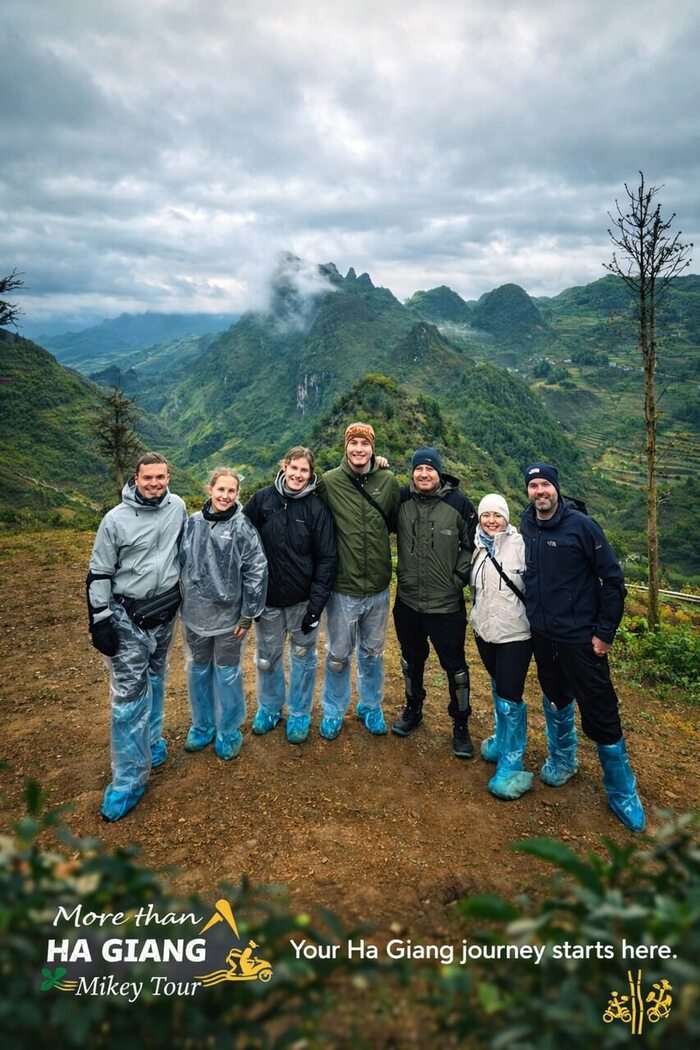
On one hand, you have the unparalleled beauty of Ha Giang at its most vibrant. The rice terraces are a dazzling emerald, waterfalls that are mere trickles in the dry season become roaring spectacles, and the mountains wrap themselves in a mystical blanket of clouds. It's a photographer's dream and an adventurer's paradise. On the other hand, there are tangible risks. We’re talking about roads that can become as slippery as ice, the very real danger of landslides, and sudden downpours that can reduce visibility to near zero in seconds. Ignoring these risks is not an option.
So, the big question isn't just "can it be done?" but rather, "is it the right choice for you?". If you're an experienced rider with a high tolerance for uncertainty and a flexible schedule, it might be the adventure of a lifetime. If you're a novice rider, nervous about challenging conditions, or on a tight schedule, this season could turn your dream trip into a stressful ordeal. This guide is here to give you all the facts so you can make an informed, safe decision.
To truly prepare, you need to understand what you're up against. The Ha Giang loop weather during the monsoon is more than just a bit of rain; it's a defining feature of the entire experience. Let's break it down.
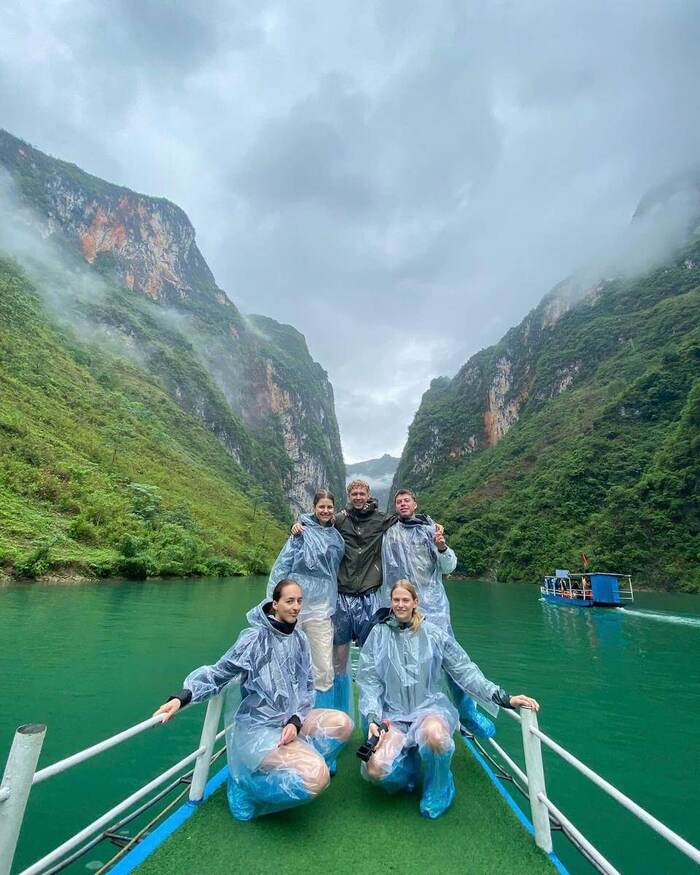
The northern vietnam monsoon season generally runs from late April or early May through to the end of September. This period is characterized by higher temperatures, increased humidity, and significant rainfall. Unlike a gentle drizzle, the rain here can be intense and often comes in short, powerful bursts, especially in the afternoons. This is what fills the rivers, nourishes the rice fields, and unfortunately, creates the hazardous conditions we need to plan for.
While the entire period sees rain, July and August are typically the wettest months. This is when the risk of heavy downpours and subsequent Ha Giang loop landslides is at its absolute peak. If you are planning your trip during these two months, extreme caution and flexibility are not just recommended; they are essential.
May: The beginning of the season. You'll see stunning green landscapes as the rains begin, but the downpours are often less frequent and intense than in the peak months. It's a good balance of beauty and manageable weather.
June: The rains become more consistent. The scenery is incredibly lush, and the famous rice terraces are at their most beautiful. Expect daily rain, usually in the afternoon.
July & August: The peak of the rainy season. This is when you'll experience the heaviest rainfall and the highest humidity. The risk of landslides is most significant. We'll be honest: traveling during the Ha Giang loop in july or August requires an expert guide and a lot of flexibility.
September: The rains begin to subside. The landscape is still a brilliant green, often with golden hues as the rice ripens for harvest. The weather becomes more stable, making it one of the best months to experience the post-rainy season beauty with slightly lower risk.
Despite the warnings, there are compelling reasons why some travelers swear by the rainy season. It's a different kind of magic, a raw and powerful version of Ha Giang that few get to see.
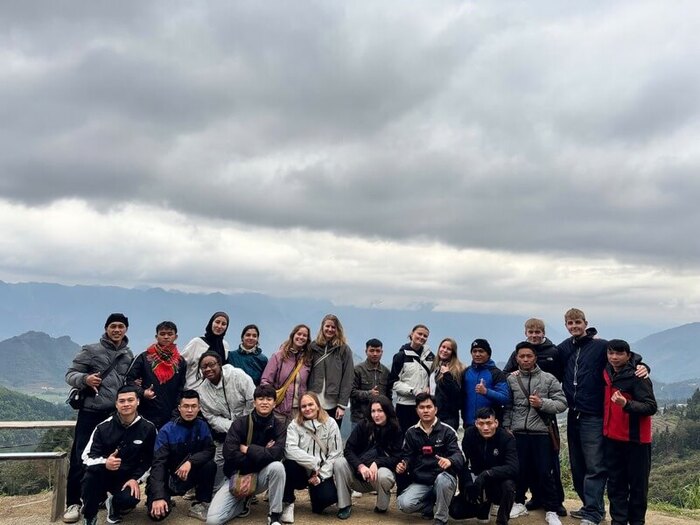
This is the number one reason to go. The rain breathes life into the province. The terraced fields turn into a vibrant, emerald green canvas that stretches as far as the eye can see. The limestone karsts, normally a stoic grey, are covered in fresh, green vegetation. Waterfalls, some of which are non-existent in the dry season, thunder down the mountainsides, creating a powerful and awe-inspiring soundtrack to your journey.
The peak tourist season is typically in the dry, cooler months. During the rainy season, the crowds thin out dramatically. This means you’ll have viewpoints to yourself, more intimate interactions at homestays, and a general feeling of having stepped into a world that is less curated for tourists. You get a more authentic glimpse into the daily life of the local people, who continue their lives and work regardless of the weather.
There is something truly special about riding through clouds. The monsoon brings low-hanging mist and clouds that cling to the sides of the mountains and drift through the valleys. It adds a layer of mystery and drama to the landscape, transforming the already spectacular views into something ethereal and otherworldly. Waking up in a homestay to a valley filled with clouds is an experience you will never forget.
Now for the reality check. The beauty comes with a price, and that price is a set of very real dangers you must be prepared for. Underestimating these challenges can lead to serious consequences.
This is the most constant and immediate challenge. Driving Ha Giang loop in the rain is not for the faint of heart. The asphalt becomes slick, but the real danger lies in the patches of mud, clay, and sometimes algae that get washed onto the road from the hillsides. A sharp turn or a sudden brake can easily lead to a fall. Even for experienced riders, navigating these conditions requires immense concentration and skill.
This is the most significant danger of the season. When the ground becomes oversaturated with water, landslides can and do happen. They can range from small mudflows that temporarily block a road to massive slides that can wash away entire sections of the pass. While major routes are often cleared quickly, being caught between slides in a remote area is a possibility. This is a primary reason why local knowledge is so crucial.
The weather can change in an instant. You might be riding under clear skies one moment and find yourself engulfed in thick fog or a torrential downpour the next. This sudden reduction in visibility is incredibly dangerous, especially on winding mountain passes with sheer drops. A sudden downpour not only makes the road instantly slippery but also makes it hard to see oncoming traffic or obstacles on the road ahead.
We've laid out the good and the bad. So, how do you tip the scales in favor of an amazing, safe adventure? It all comes down to one core principle: putting Ha Giang loop safety above all else.
Yes, you absolutely can. But it requires a different mindset. It's not about conquering the loop; it's about respecting it. It means being willing to change your plans, wait out a storm, or even turn back if your guide says it's not safe. The mountain will always be there, but your safety is paramount.
For the rainy season, this isn't really a debate. Our definitive, unequivocal recommendation is to hire an Easy Rider. Here’s why:
Local Knowledge: An experienced easy rider Ha Giang knows these roads like the back of their hand. They know which corners are notoriously slippery, they can read the weather signs, and they have a network of local contacts to get information about road conditions and potential landslides ahead.
Riding Skill: These riders have spent years, if not decades, navigating the loop in every imaginable condition. Their skill and confidence on a wet, muddy road are on a completely different level.
Focus on the Experience: With an Easy Rider, you are free to soak in the incredible scenery without the stress of concentrating on every single patch of wet road. You can take photos, feel the wind (and rain!), and truly be present in the moment.
Self-driving in these conditions, unless you are a highly experienced motorcyclist with extensive practice in mountainous, wet terrain, is an unnecessary and significant risk.
It can be, but only with an Easy Rider and a flexible itinerary. These peak rainy months demand the highest level of caution. You must be prepared for potential delays of a day or more if a road is blocked. An Easy Rider will know alternative routes or make the call to stay put until conditions are safe. Attempting this solo in July or August is not recommended.
Packing smart can be the difference between a miserable, wet trip and a comfortable adventure. Your Ha Giang packing list rainy season should prioritize staying dry and safe.
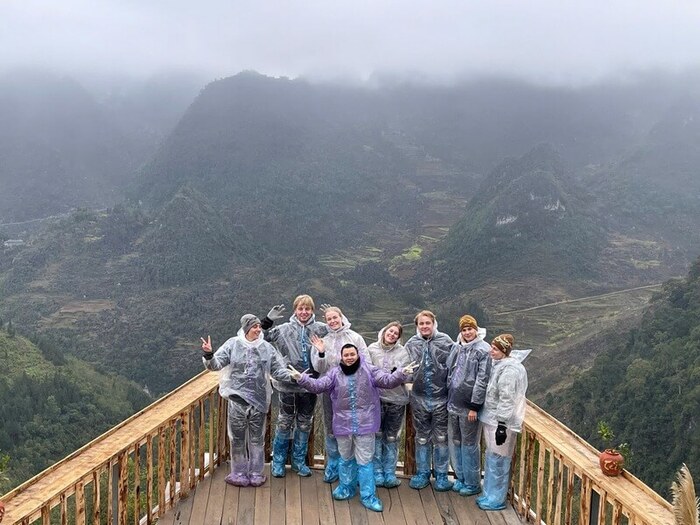
Forget cheap plastic ponchos; they will tear in minutes. Invest in a proper two-piece waterproof suit (jacket and pants). This is your single most important piece of clothing. Underneath, pack quick-drying clothes (like athletic wear) and avoid cotton, which stays wet forever.
Your electronics will not survive the Ha Giang rain without protection. A dedicated dry bag for your backpack is essential. A waterproof phone case, preferably one you can hang around your neck, is also a non-negotiable item for navigation and quick photos.
Your footwear needs to do two things: keep your feet relatively dry and provide excellent grip. Waterproof hiking boots or shoes with deep lugs are ideal. You'll need that grip not just for walking around villages but also for planting your feet firmly when the bike stops on a slippery surface.
This is perhaps the most important thing to pack. You cannot be on a tight schedule. Your plan might say 4 days, but a landslide could make it 5. You might need to spend an entire afternoon at a cafe waiting for a storm to pass. Embrace the uncertainty. The best plan is to have no rigid plan at all.
After weighing all the factors, we come back to the final question. Is it worth facing the challenges for the unique beauty the monsoon brings?
You're trading the comfort and predictability of the dry season for an experience that is arguably more dramatic, vibrant, and wild. The pros are the jaw-dropping green landscapes, powerful waterfalls, and a sense of solitude. The cons are very real: slippery roads, the danger of landslides, and unpredictable downpours that demand constant vigilance.
Traveling the rainy season Ha Giang Loop can reveal a completely different side of northern Vietnam. Mist drifting through limestone peaks, lush green valleys after heavy rain, and quiet mountain roads create an atmosphere that feels both dramatic and peaceful. However, the rainy months also bring slippery roads, reduced visibility, and unpredictable weather that can make the journey more challenging.
For travelers who still want to experience the beauty of Ha Giang during this season without worrying about difficult riding conditions, joining a tour with Mikey Ha Giang is a smart option. With experienced easy riders, well-maintained motorbikes, and carefully planned routes that adapt to weather conditions, you can focus on the scenery and cultural experiences while staying safe throughout the adventure.