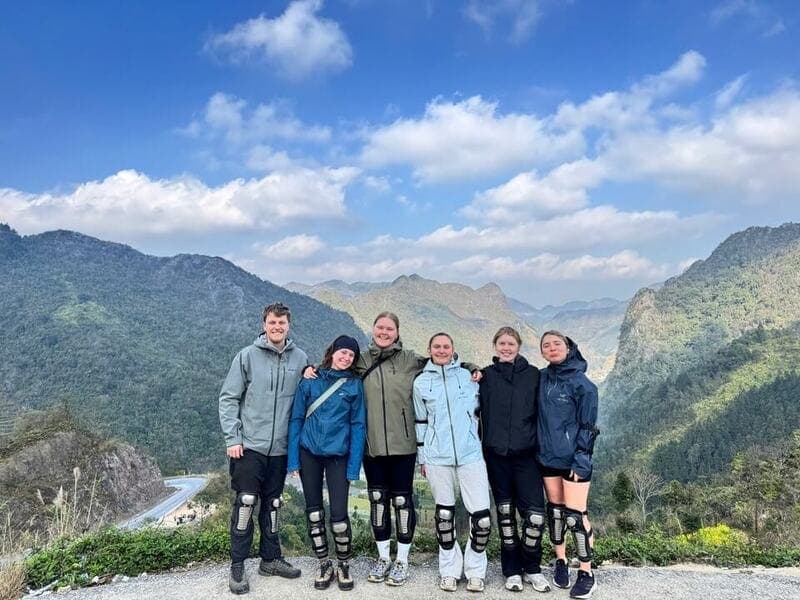
Planning your epic journey from Ha Giang to Dong Van? You're about to embark on one of Vietnam's most breathtaking road trips, a path carved through limestone karsts and legendary mountain passes. But with so many options and stories, planning the first leg can feel overwhelming. Don't worry, we’ve got you covered. This guide is your ultimate companion, breaking down everything you need to know for a smooth, safe, and utterly unforgettable adventure.
Before diving into the details, let's get the essential facts straight. Think of this as your quick-start guide to help you frame your adventure. Knowing the basic distance and time will help you decide which mode of transport is right for you.
Ha Giang to Dong Van: Quick Overview for Your Trip Planning
The distance from Ha Giang City to Dong Van town is approximately 145 kilometers (about 90 miles). The entire route follows the legendary National Highway 4C, famously known as the Happiness Road. While this might not seem like a huge distance, the winding, mountainous terrain means the journey is more about the experience than the speed. If you're wondering, "hà giang đồng văn bao nhiêu km?", this is the number to keep in mind for your planning.
The travel time varies significantly depending on your chosen transport and how often you stop to soak in the views (which you'll want to do a lot!). Here’s a realistic breakdown:
By Motorbike: This is the most popular way and typically takes 5 to 6 hours. This includes short breaks for photos at key viewpoints and a lunch stop. Rushing it would mean missing the magic!
By Private Car: Similar to the bus, expect a travel time of about 4 to 5 hours, but with the added flexibility to stop whenever and wherever you please.
Choosing how you'll travel this iconic route is the first big decision of your trip. Each option offers a completely different experience. Let's break down the pros and cons to help you find your perfect match.
How to Get from Ha Giang to Dong Van: All Transportation Options
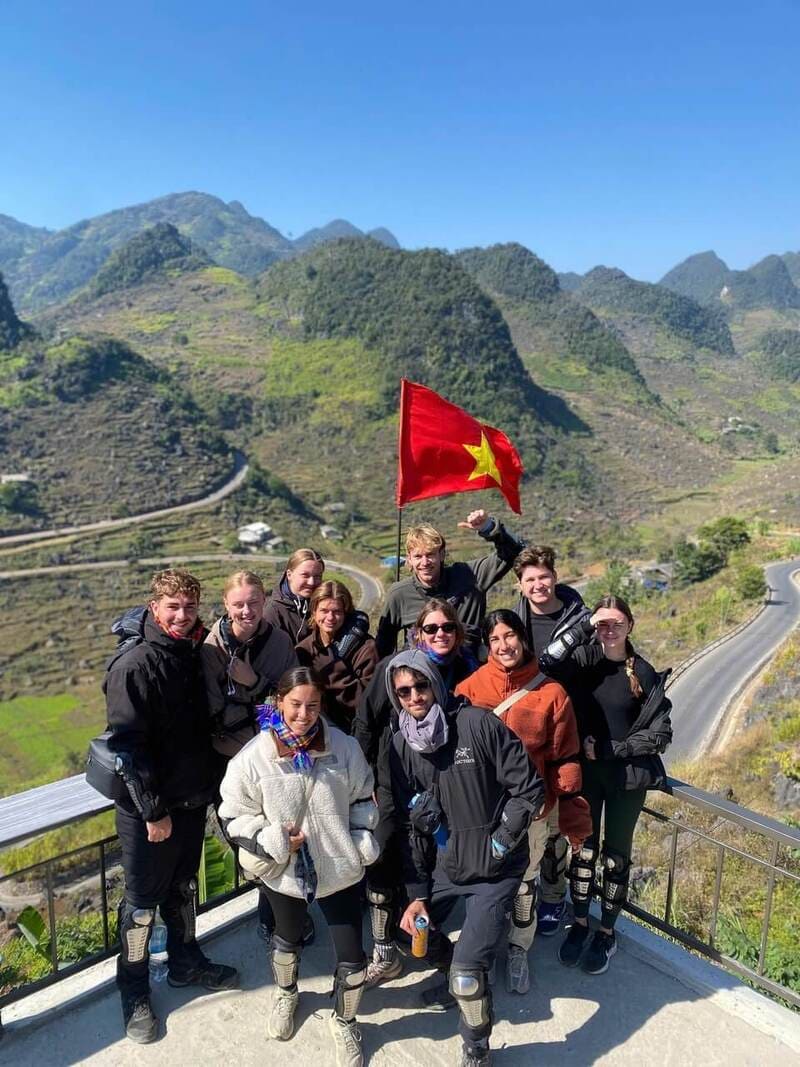
There's a reason why traveling from Ha Giang to Dong Van by motorbike is the stuff of legends. It offers unparalleled freedom and a 360-degree sensory experience. You feel the cool mountain air, smell the wild plants, and can pull over at a moment's notice to capture that perfect photo. This route is often considered the most spectacular part of the ha giang loop itinerary day 1.
Pros:
Total Freedom: Stop anywhere, anytime. Explore small side roads and villages.
Immersive Experience: You are truly connected to the stunning landscape around you.
Cost-Effective: Renting a motorbike is very affordable for solo travelers or pairs.
Cons:
Physically Demanding: The roads are winding and require constant focus.
Weather Dependent: Rain or fog can make the journey challenging and less enjoyable.
Requires Riding Skill: Not recommended for brand-new or inexperienced riders.
If you're not confident on a motorbike or simply prefer to sit back and enjoy the scenery without the stress of navigating, the local bus is an excellent option. The ha giang to dong van bus is a reliable service used by both locals and tourists. It's a fantastic way to travel on a budget and get a glimpse into local life.
You can easily find a bus from ha giang city to dong van at the main bus station (Bến xe khách Hà Giang). They run several times a day, usually in the morning and early afternoon.
Pros:
Affordable: The cheapest way to travel between the two points.
Safe: Let an experienced local driver handle the tricky mountain roads.
Relaxing: You can simply watch the incredible landscapes unfold from your window.
Cons:
No Flexibility: You can't stop for photos or explore points of interest along the way.
Can be Crowded: Buses can get full, especially during peak season.
For those traveling in a group, with family, or who simply value comfort and convenience above all else, hiring a private car with a driver is the perfect solution. It combines the best of both worlds: the comfort and safety of a car with the flexibility to create your own itinerary, similar to a motorbike trip.
Pros:
Utmost Comfort: Protection from the elements and a comfortable seat.
Customizable Stops: Your driver will stop at all the famous viewpoints for you.
Great for Groups: An economical option when the cost is split among 3-4 people.
Cons:
Most Expensive: The priciest option by a significant margin.
Less Immersive: You're slightly more detached from the environment compared to a motorbike.
The journey itself is the destination here. The road from Ha Giang to Dong Van, known as the Happiness Road ha giang, is a masterpiece of engineering and a testament to the human spirit. It twists and turns through some of the most dramatic scenery in Southeast Asia. Let's look at what makes this ride so special.
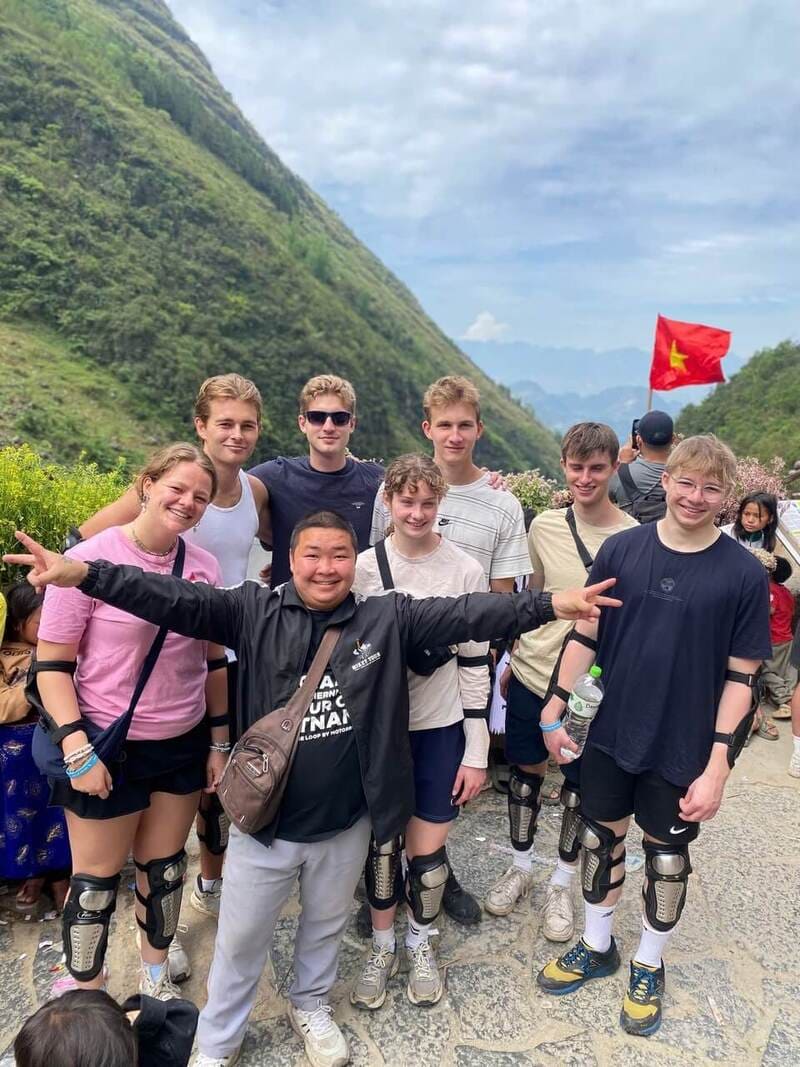
The Legendary Route: Navigating the Happiness Road (QL4C)
Don't just rush to Dong Van! The magic lies in the stops you make. Here are the absolute must-sees:
Bac Sum Pass: Your first real taste of the winding mountain roads, offering incredible views back towards Ha Giang.
Quan Ba Heaven Gate: Stand here and you'll feel on top of the world, with a panoramic view of the Tam Son valley and the famous Twin Mountains (Fairy Bosom).
Twin Mountains of Quan Ba: A beautiful and perfectly-shaped pair of hills surrounded by rice paddies. A true geological wonder.
Tham Ma Pass: One of the most iconic passes on the loop. This nine-turn pass was historically used to test the strength of horses. Today, it's a test for your camera's memory card!
H'mong King's Palace: Located in the Sa Phin valley just before Dong Van, this historic palace is a fascinating blend of Chinese, French, and H'mong architecture.
Let's be honest: the đường từ hà giang đến đồng văn is challenging, but it's not impossible. The road is fully paved, but it is characterized by continuous sharp turns, steep ascents, and descents. The main difficulties come from potential hazards like occasional gravel on the road, slow-moving trucks, and livestock that may wander into the path. For motorbike riders, confidence and caution are key. Always ride at a speed that allows you to react, and don't be afraid to use your horn on blind corners.
The entire route is part of the Dong Van Karst Plateau Geopark, a UNESCO Global Geopark. This isn't just a collection of pretty mountains; it's a living geological museum. The landscape is defined by its sharp, jagged limestone peaks, deep canyons, and a rich history of tectonic activity. As you travel, you're literally journeying through millions of years of Earth's history.
A little preparation goes a long way in ensuring your trip is incredible for all the right reasons. Here are our top tips for conquering the road to Dong Van.

Essential Tips for a Safe and Memorable Ride
The best time to travel the Ha Giang Loop is during the dry season, which runs from October to April. The weather is cooler and there's less rain, making for safer road conditions and clearer views. For a special treat, plan your trip around October-November for the blooming buckwheat flower season, or January-February for peach and plum blossoms.
Packing light is smart, but packing right is smarter. Here's what you shouldn't leave behind:
Layers of Clothing: The weather in the mountains can change in an instant. Pack a t-shirt, a long-sleeve shirt, and a windproof/waterproof jacket.
Sturdy Shoes: Good footwear is essential, even if you're not planning any major hikes.
Sun Protection: Sunscreen, sunglasses, and a hat are non-negotiable.
First-Aid Kit: A basic kit with bandages, antiseptic wipes, and pain relievers is always a good idea.
Cash: ATMs are scarce outside of the main towns. Carry enough cash for food, fuel, and accommodation.
Your safety is paramount. Always wear a good-quality helmet, check your bike's brakes and tires before you set off, and never ride after dark. Most importantly, as you are in a border area, foreign travelers are required to obtain a travel permit. You can easily get this at the Immigration Office in Ha Giang City for a small fee (around 230,000 VND). Your guesthouse or motorbike rental shop can usually help you arrange it.
We get a lot of questions about this specific route. Here are answers to some of the most common ones.
Yes, absolutely. There are several local buses that run this route daily, primarily in the morning. It's a direct and straightforward journey, making it a great choice for travelers who prefer not to ride a motorbike.
For the ultimate experience of freedom and immersion, the motorbike is widely considered the best way. However, the "best" way truly depends on you. If safety and comfort are your priorities, a private car is fantastic. If you're on a tight budget, the bus is an excellent and reliable alternative.
Yes, one full day is the standard and perfect amount of time for this leg of the journey. Starting early in the morning (around 8 AM) gives you plenty of time to travel at a relaxed pace, make all the key stops for photos and sightseeing, have lunch, and still arrive in Dong Van well before sunset.
The journey from Ha Giang to Dong Van is far more than a simple transfer between destinations. This stretch of road introduces travelers to some of the most spectacular landscapes on the Dong Van Karst Plateau. Each curve reveals a new perspective of towering limestone mountains, deep valleys, and quiet ethnic villages. From the panoramic views at Quan Ba Heaven Gate to the winding slopes of Tham Ma Pass, every kilometer adds another unforgettable moment to your Ha Giang adventure.
If you want to fully enjoy the Ha Giang to Dong Van route without worrying about navigation, road safety, or planning your stops, a guided experience with Mikey Ha Giang is an excellent choice. With experienced easy riders, carefully designed itineraries, and local knowledge of the best viewpoints along the route, you can relax and focus on the scenery while experiencing the culture and beauty of northern Vietnam in the most memorable way possible.