

Thinking about conquering the legendary Ha Giang Loop in summer? You've probably heard whispers of breathtaking green landscapes, but also warnings about the notorious rainy season. It's a classic dilemma: Is the epic scenery worth braving the elements? We're here to give you the unfiltered truth. This guide from Mikey Ha Giang is your trusted co-pilot, breaking down everything from the weather realities to essential safety tips, helping you decide if a summer adventure in Ha Giang is the right call for you.
Let's get right to it. The answer isn't a simple yes or no; it's a resounding "it depends on who you are." A summer trip on the loop is an incredible adventure, but it demands respect, preparation, and a flexible mindset. It’s not for the faint of heart, but for those who embrace the wild, it can be the journey of a lifetime.
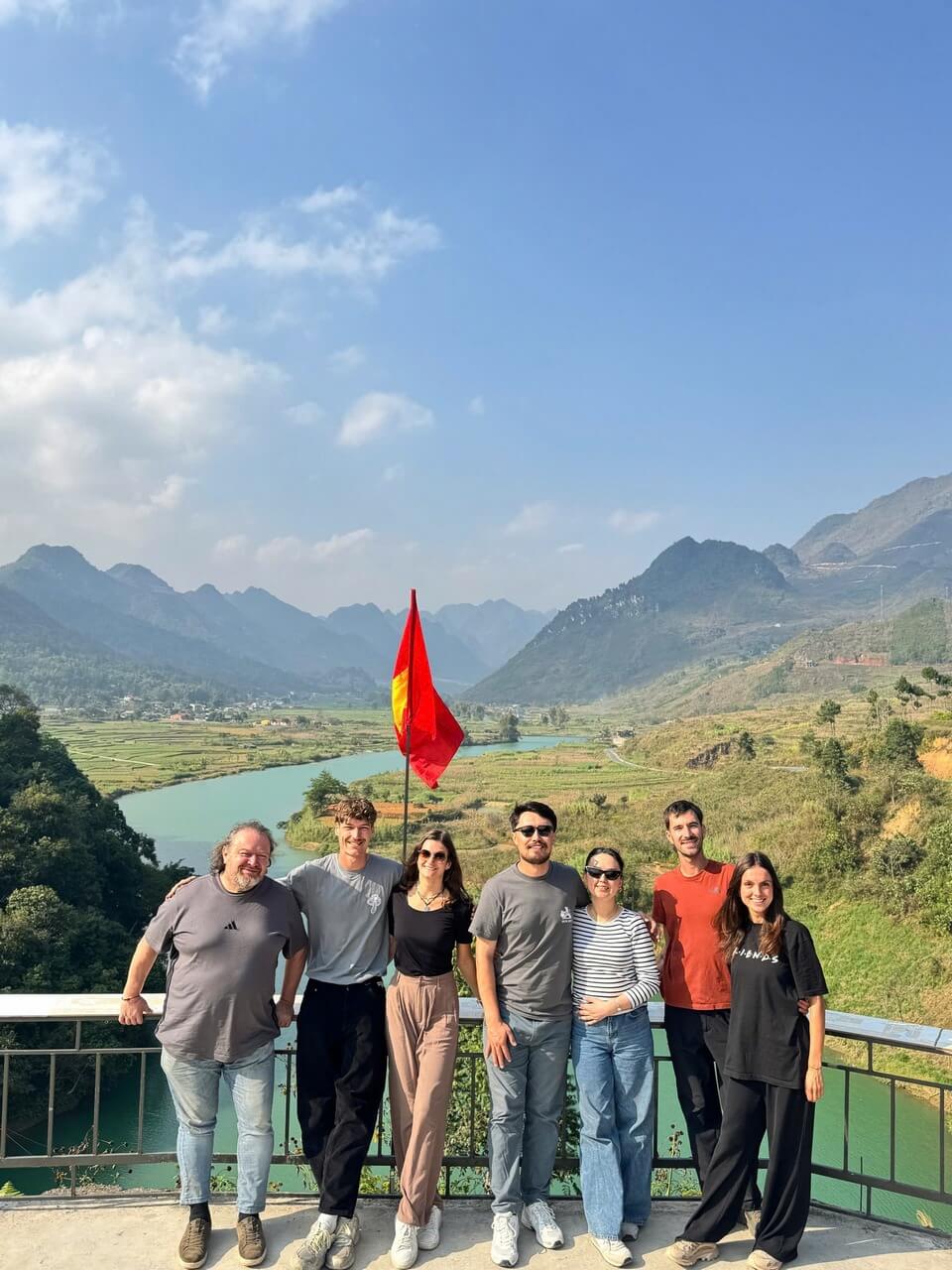
If you're an experienced rider or a traveler who values dramatic, lush scenery over perfect weather, summer can be magical. The mountains are at their most vibrant, a sea of a thousand shades of green. However, if you're a new rider or your idea of a holiday involves guaranteed sunshine and predictable roads, you might want to consider another season. Summer in Ha Giang is raw, beautiful, and unpredictable.
This isn't a one-size-fits-all trip. Let's see which camp you fall into.
You'll absolutely love the loop in summer if:
You're an adrenaline junkie who sees a challenge as part of the fun.
You're a photographer craving those intensely green, moody, and atmospheric shots.
You don't mind getting wet and are well-prepared with the right gear.
You prefer traveling with fewer tourists on the road.
You might want to reconsider if:
You are a brand new or nervous motorbike rider.
Your schedule is tight and cannot accommodate weather-related delays.
You're highly sensitive to heat and humidity.
Your main goal is to see golden rice terraces (that's an autumn spectacle).
The Ha Giang Loop weather during summer is the main character of your story. From June to August, the region is officially in its rainy season. But what does that actually mean for your trip? It's not a constant, three-month-long downpour, but you need to know what you're getting into.
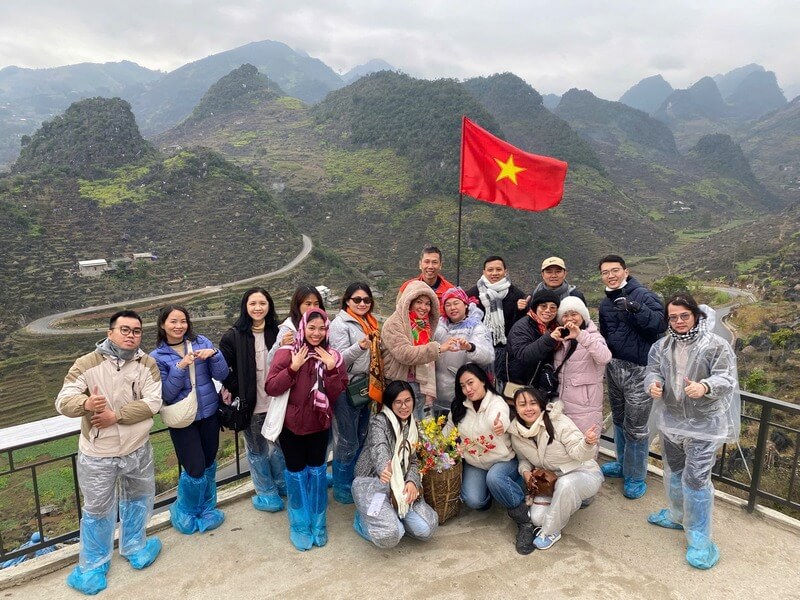
The term Ha Giang Loop rainy season can sound intimidating. The reality is often short, intense downpours, usually in the afternoon. You might have a perfectly sunny morning for riding, only to be hit by a torrential shower for an hour or two later in the day. The key challenges aren't just getting wet, but the consequences: slippery roads, potential landslides, and reduced visibility. It’s about being prepared to pull over, find a cafe, and wait for the storm to pass.
While the whole season is wet, each month has its own personality.
Ha Giang in June: This is the beginning of the wet season. You'll experience rising heat and humidity, with afternoon thunderstorms becoming more frequent. The rice paddies are a vibrant, electric green as the new crop grows.
Ha Giang Loop in July: Typically the wettest month of the year. Expect heavy rainfall to be a regular occurrence. This is when the risk of landslides is at its highest, demanding extra caution and a flexible plan.
August: The rain starts to taper off towards the end of the month, but it's still very hot and humid. The landscape remains incredibly lush, and the waterfalls are at their most spectacular.
Don't forget the other side of the coin. Between the showers, the sun can be incredibly intense. The humidity levels are high, which can be draining, especially during physical activities. When the sun is out, the beauty is breathtaking, with sunlight breaking through the clouds to illuminate the emerald valleys. You need to be prepared for both rain and intense sun, often on the same day.
Despite the challenges, riding the Ha Giang Loop in summer offers rewards that you simply can't find at any other time of the year. It's a trade-off, and the "pros" column is seriously compelling.
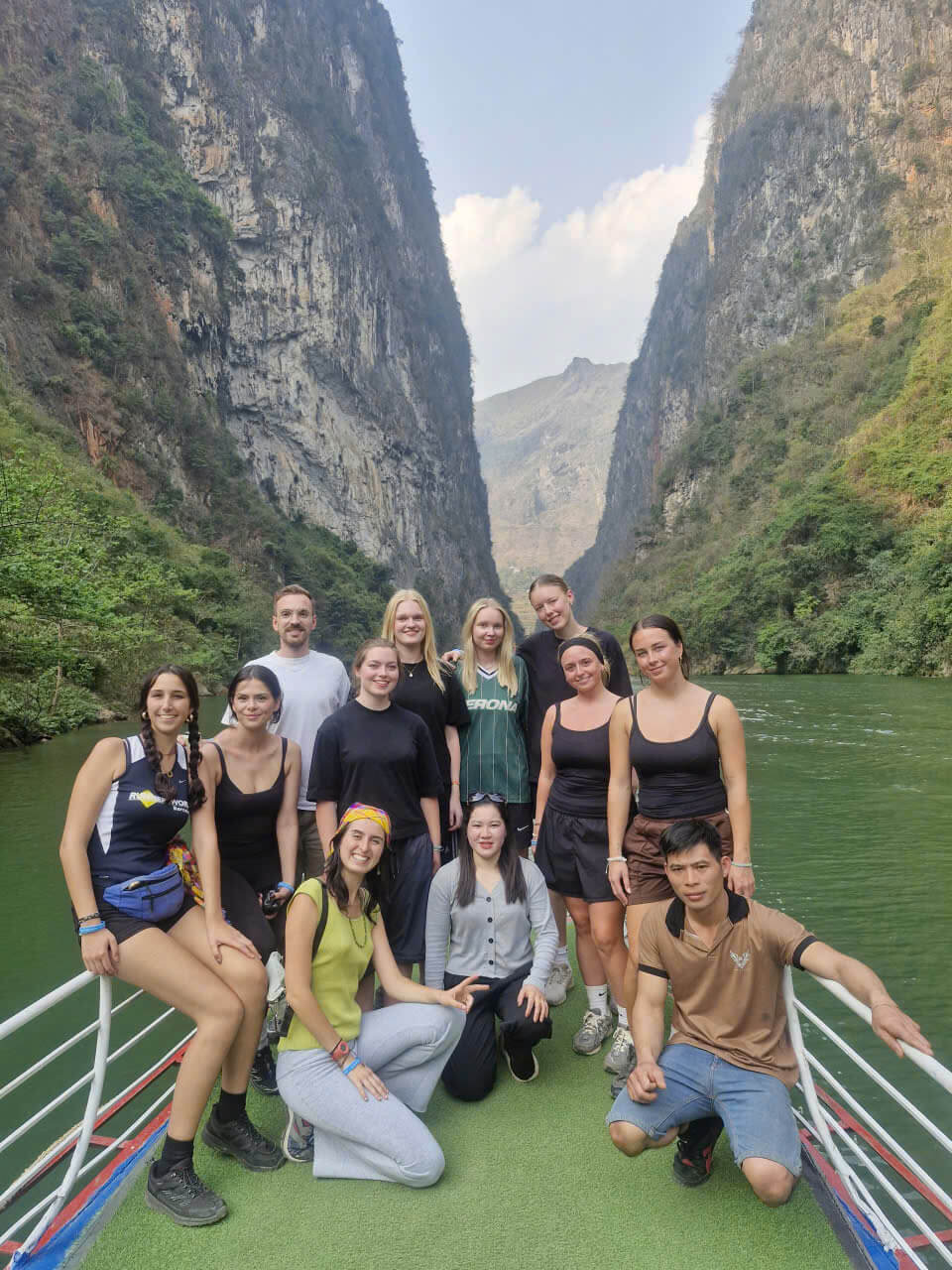
Imagine a world saturated in green. That's Ha Giang in summer. The constant rain breathes life into every corner of the landscape. The limestone karsts are draped in vibrant vegetation, and the valleys are a patchwork of every shade of green imaginable. It's a photographer's dream, a truly immersive experience in nature at its peak vitality.
The rain feeds the region's waterfalls, transforming them from gentle trickles into roaring, powerful cascades. The sound is deafening and the sight is awe-inspiring. Similarly, this is the growing season for the rice terraces. You'll witness the farmers tending to the young rice shoots, and the terraces themselves look like shimmering green mirrors sculpted into the mountainsides.
Because summer is considered the "off-season" by many, you'll benefit from a more solitary experience. The roads are quieter, the viewpoints are less crowded, and you can often feel like you have this vast, epic landscape all to yourself. This allows for a more personal and profound connection with the region.
We believe in honest travel advice. Ignoring the risks of the rainy season would be irresponsible. Understanding these challenges is the first step to overcoming them and ensuring your Ha Giang Loop safety.
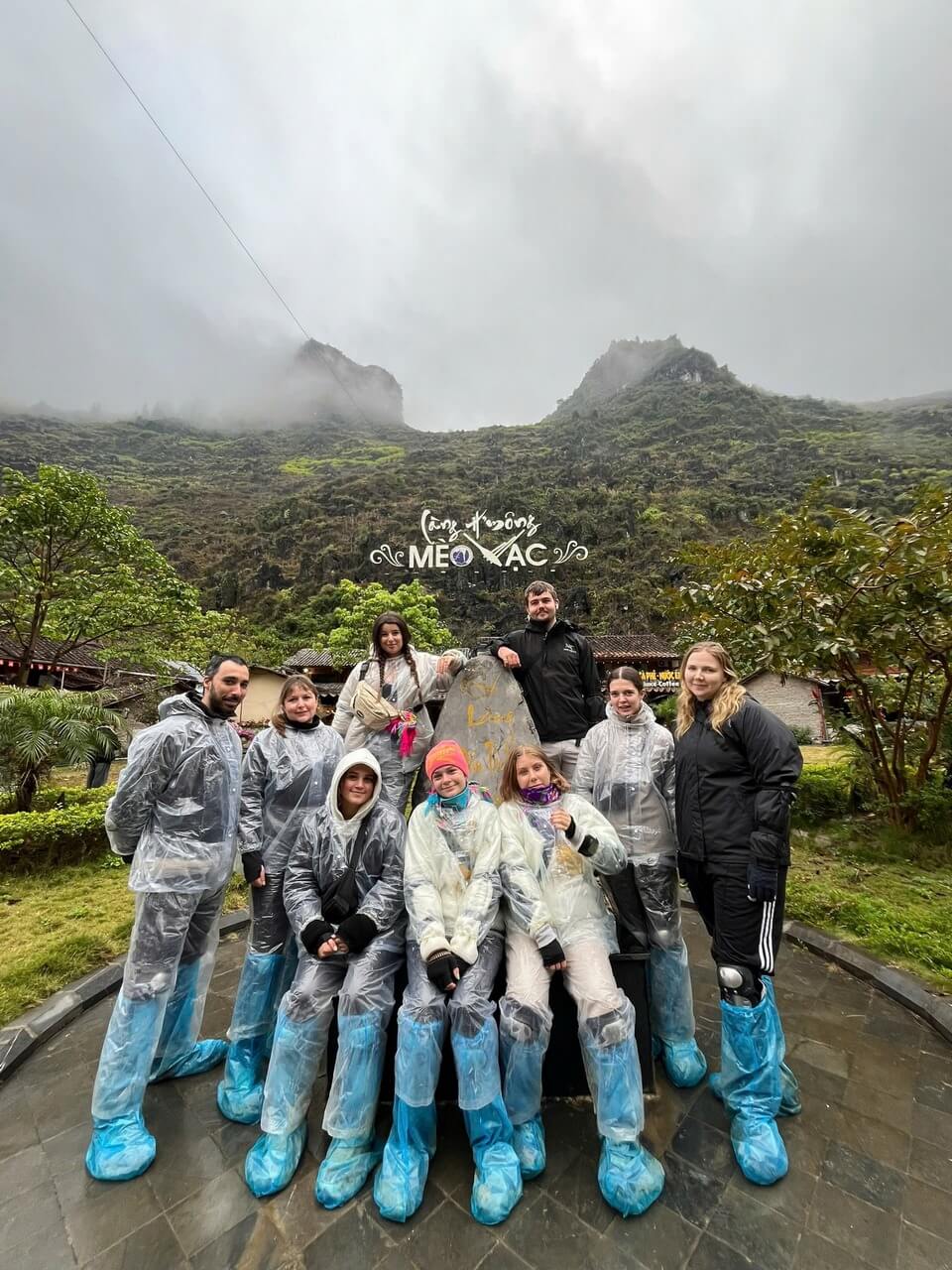
This is the number one concern. Rain makes the tarmac slick, and it can wash mud and debris onto the road, especially around corners. Sharp turns, steep inclines, and patches of loose gravel become significantly more treacherous when wet. This requires a higher level of riding skill and constant concentration.
During periods of prolonged, heavy rain, landslides are a genuine possibility. Small slides might block a road for a few hours, while larger ones can cut off routes for days. Low-lying areas and stream crossings can also flood, making them impassable. This is why flexibility is not just a suggestion; it's a necessity.
A heavy downpour can reduce your visibility to just a few meters ahead. Fog is also common, especially at higher elevations like the Ma Pi Leng Pass. This dense fog, often called "cloud soup," can completely obscure the stunning views and makes navigating the winding roads extremely difficult. You must be prepared to ride slowly or stop altogether when visibility is poor.
Knowledge is power. Now that you know the risks, let's talk about how to mitigate them. A safe trip is a happy trip, and with the right approach, you can navigate the loop confidently even in summer.
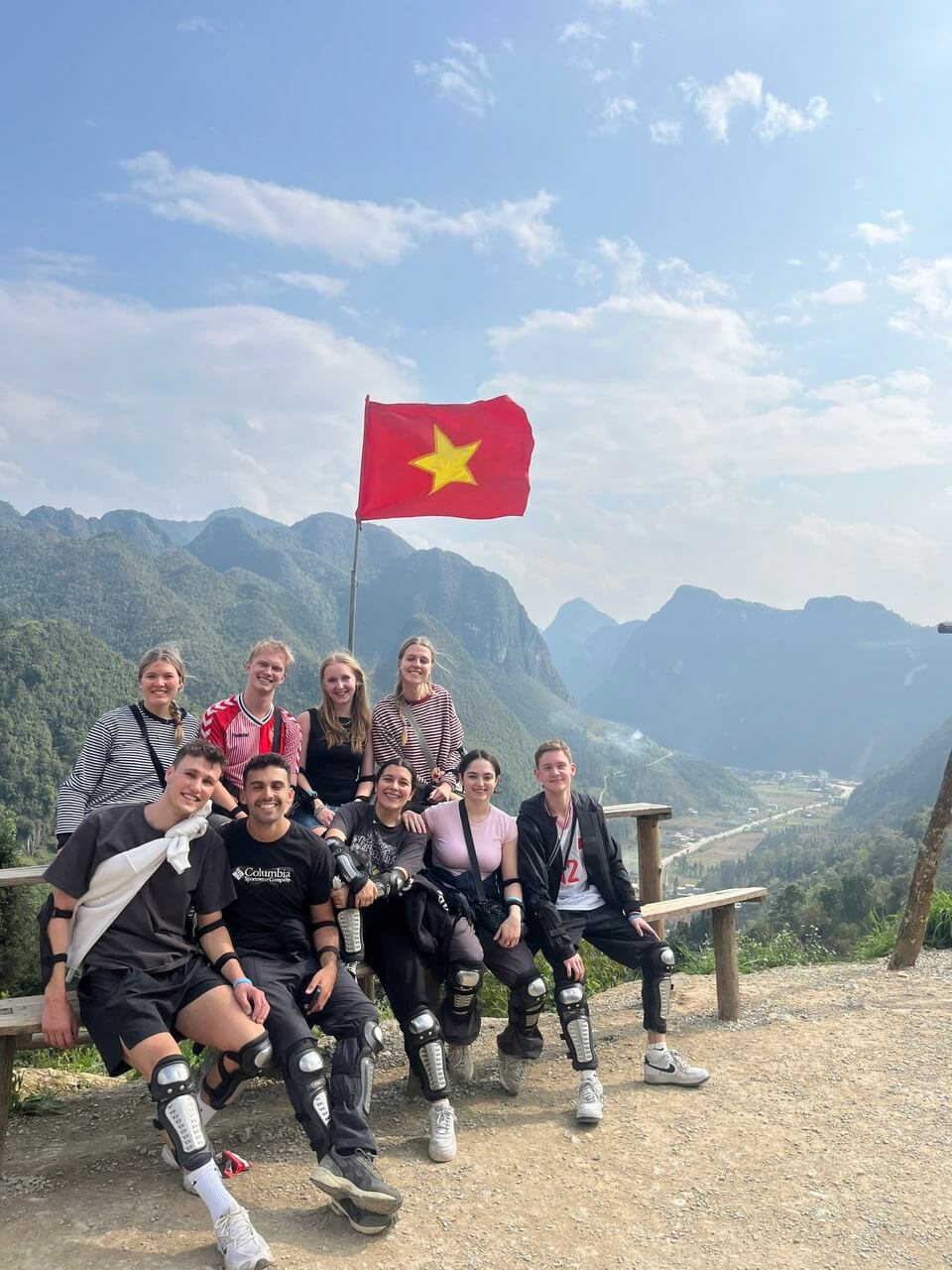
If you have any doubts about your riding ability, booking an easy rider Ha Giang tour is the smartest decision you can make. These are not just drivers; they are local experts.
They know these roads like the back of their hand, in every weather condition.
They can spot potential hazards you would miss.
They know alternative routes in case of landslides.
They handle the bike, so you can focus 100% on the incredible scenery.
Seriously, an easy rider can transform a stressful experience into a safe and unforgettable one.
If you're an experienced rider set on self-driving, your safety is in your hands.
Bike Choice: Opt for a semi-automatic (like a Honda Wave) over an automatic scooter. They offer better traction and control, especially on steep and slippery inclines. Check your tires and brakes before setting off each day.
Defensive Driving: Reduce your speed significantly. Brake early and gently, especially before corners. Assume there is gravel or mud around every bend. Keep a safe distance from other vehicles and use your horn before blind turns.
Do not marry your schedule. The weather might force you to stay an extra night somewhere or take a detour. Build buffer days into your plan. If the weather looks truly terrible, it's wiser to spend a day reading a book in your homestay than to risk it on the road. The mountains will still be there tomorrow.
Don't just look at the forecast for Ha Giang city. Use reliable weather apps (like AccuWeather or Windy) and check the forecast for specific towns along your route, like Dong Van and Meo Vac. Talk to locals and your homestay hosts. They have an innate understanding of the local weather patterns that no app can replicate.
Packing correctly is half the battle won. The right gear will keep you comfortable, dry, and safe. Here's a non-negotiable list of what to pack for Ha Giang Loop in summer.
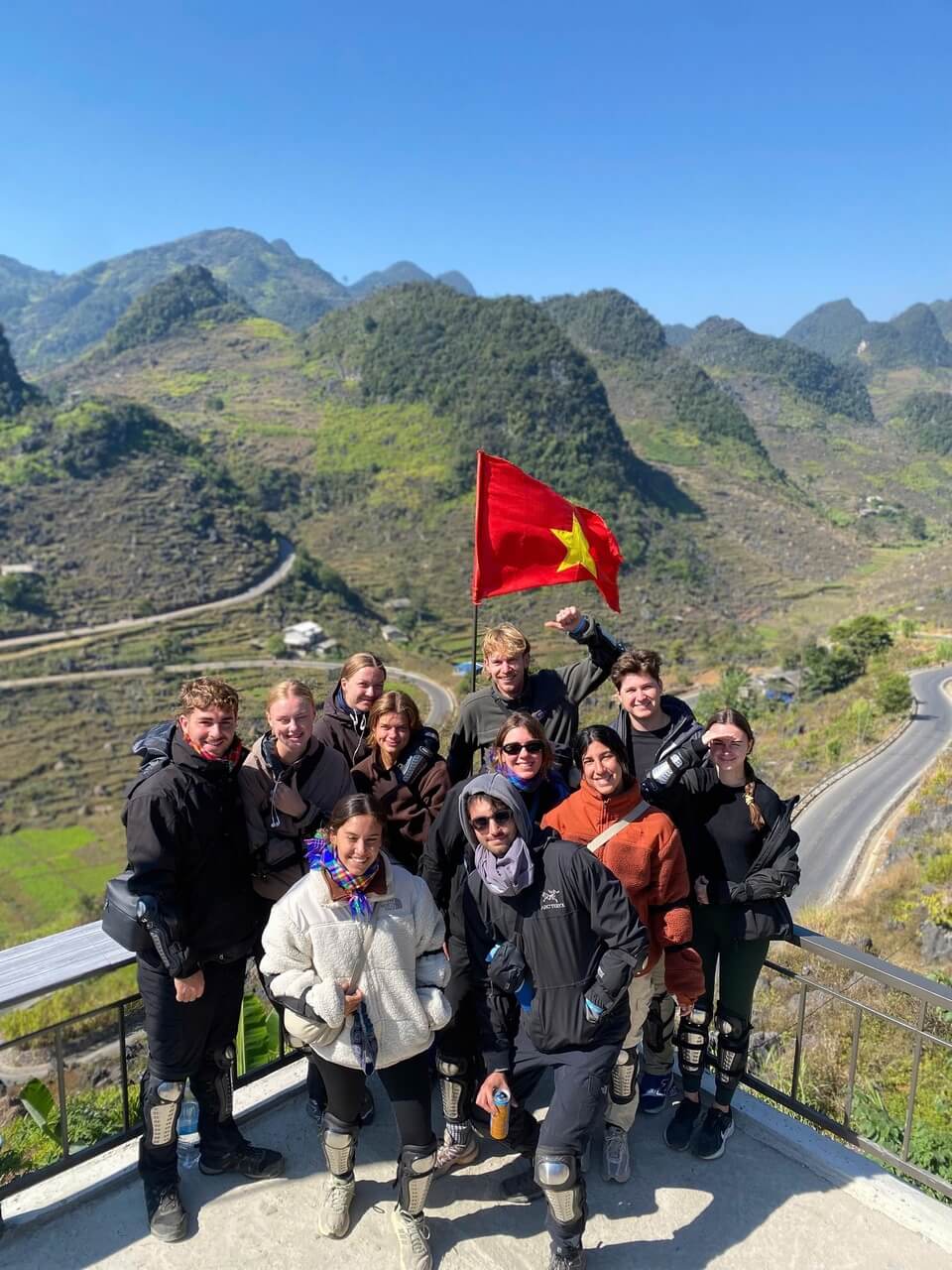
Forget the cheap, flimsy ponchos. They'll shred in the wind. Invest in a proper two-piece rain suit (jacket and pants). It offers far better protection. Also, consider waterproof shoe covers or a pair of waterproof boots to avoid riding with soggy feet all day.
Cotton is your enemy. It gets wet, stays wet, and makes you cold. Pack clothes made from synthetic, quick-drying fabrics (like those used for hiking or athletic wear). They'll dry overnight in your homestay, even in high humidity.
Your gear isn't waterproof, even if your backpack claims to be.
Use a dedicated waterproof bag (dry bag) for your passport, phone, and camera.
Place this dry bag inside your main backpack for double protection.
Zip-lock bags are a great budget-friendly option for smaller items.
A few small things can make a big difference.
Sunscreen: The sun is fierce between showers.
Insect Repellent: High humidity means more mosquitos.
Basic First-Aid Kit: Include antiseptic wipes and bandages for any minor scrapes.
Reusable Water Bottle: Stay hydrated in the heat and humidity.
To make the best decision, it helps to know what you're choosing instead of. The best time to visit Ha Giang truly depends on your priorities.
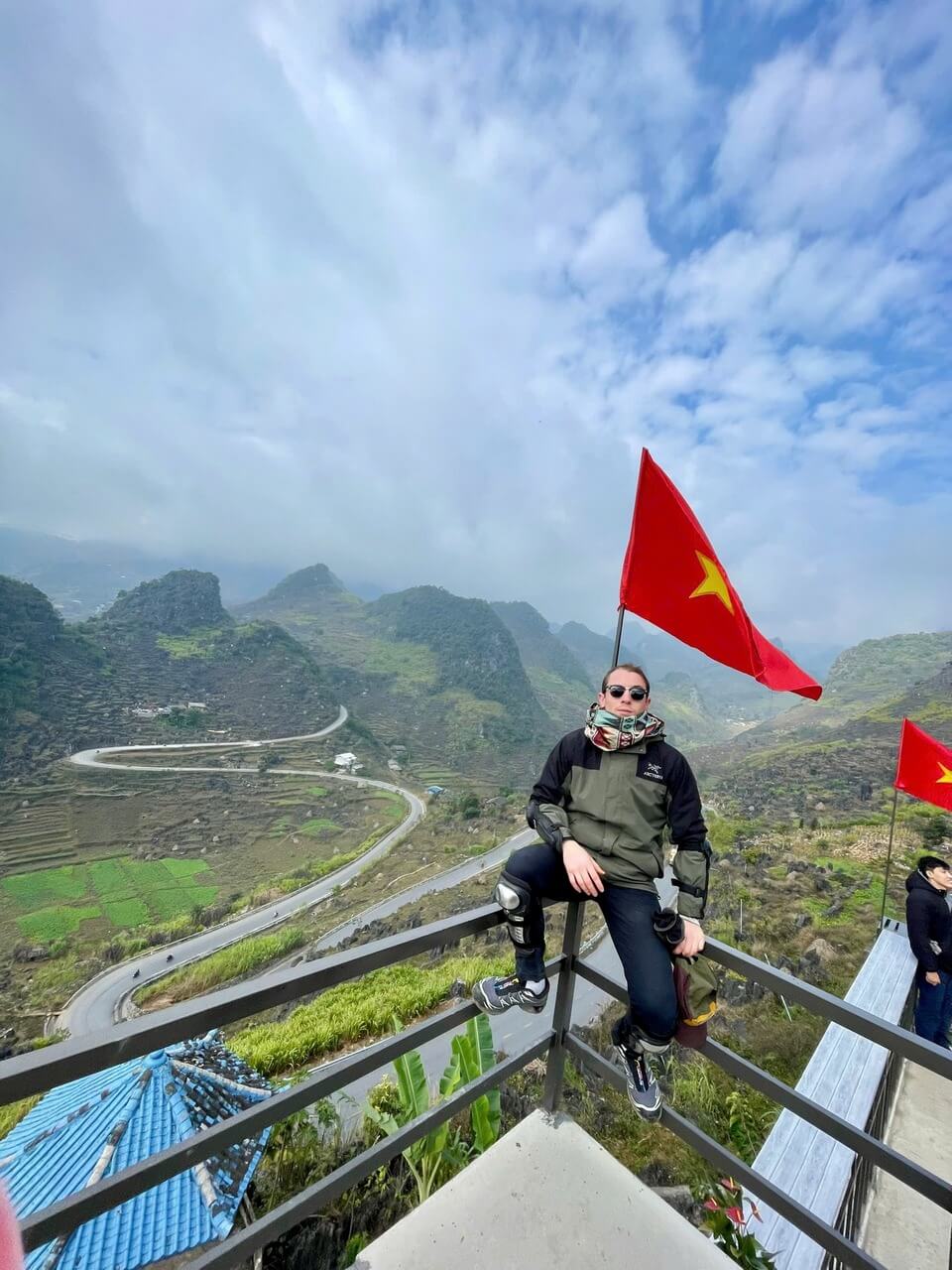
Spring (March-April) is flower season. The weather is generally drier and cooler. You'll see hillsides covered in peach and plum blossoms. The trade-off? The landscape isn't as intensely green, and the waterfalls are less dramatic.
Autumn (September-October) is arguably the most popular season. This is when the rice terraces turn a brilliant gold, ready for harvest. The weather is dry, cool, and perfect for riding. The downside? It's also the most crowded time of year.
There is no single "best" month.
Choose September or October for golden rice fields and stable weather.
Choose March or April for pleasant temperatures and blooming flowers.
Choose June, July, or August if you crave the most vibrant green landscapes, powerful waterfalls, and fewer crowds, and you are prepared for the rain.
Let's tackle some of the most common questions we get about a summer trip.
Yes, you absolutely can. However, as it's often the wettest month, you must be extra prepared. Go with an easy rider, have a very flexible schedule, and pack excellent rain gear. The scenery will be spectacularly green, but safety must be your top priority.
For Ha Giang in June, focus on layers and quick-dry materials. You'll want lightweight pants and long-sleeved shirts to protect from both sun and potential scrapes. Always have your two-piece rain suit easily accessible. Sturdy, closed-toe shoes are a must.
It can be, but only if you take the proper precautions. Safety is about your choices. Riding with an experienced easy rider drastically increases your safety. If you self-ride, you must be an experienced and cautious driver, ride slowly, have a well-maintained bike, and be willing to stop when conditions are poor. Never ride in a heavy downpour or dense fog.
So, should you book that ticket for a summer adventure on the Ha Giang Loop? If you've read this guide and feel a thrill of excitement rather than a wave of anxiety, the answer is probably yes. Summer offers a unique, raw, and incredibly beautiful version of Ha Giang that fewer people get to see.
It requires more preparation, a bigger sense of adventure, and a willingness to embrace the unpredictable. But for the right traveler, the reward of seeing the northern mountains in their most powerful and verdant state is an experience that will stay with you forever.
With Mikey Ha Giang, you don’t just ride - you experience the loop the right way. From experienced local guides to well-planned routes and safe riding support, every detail is designed for international travelers who want both excitement and peace of mind.