
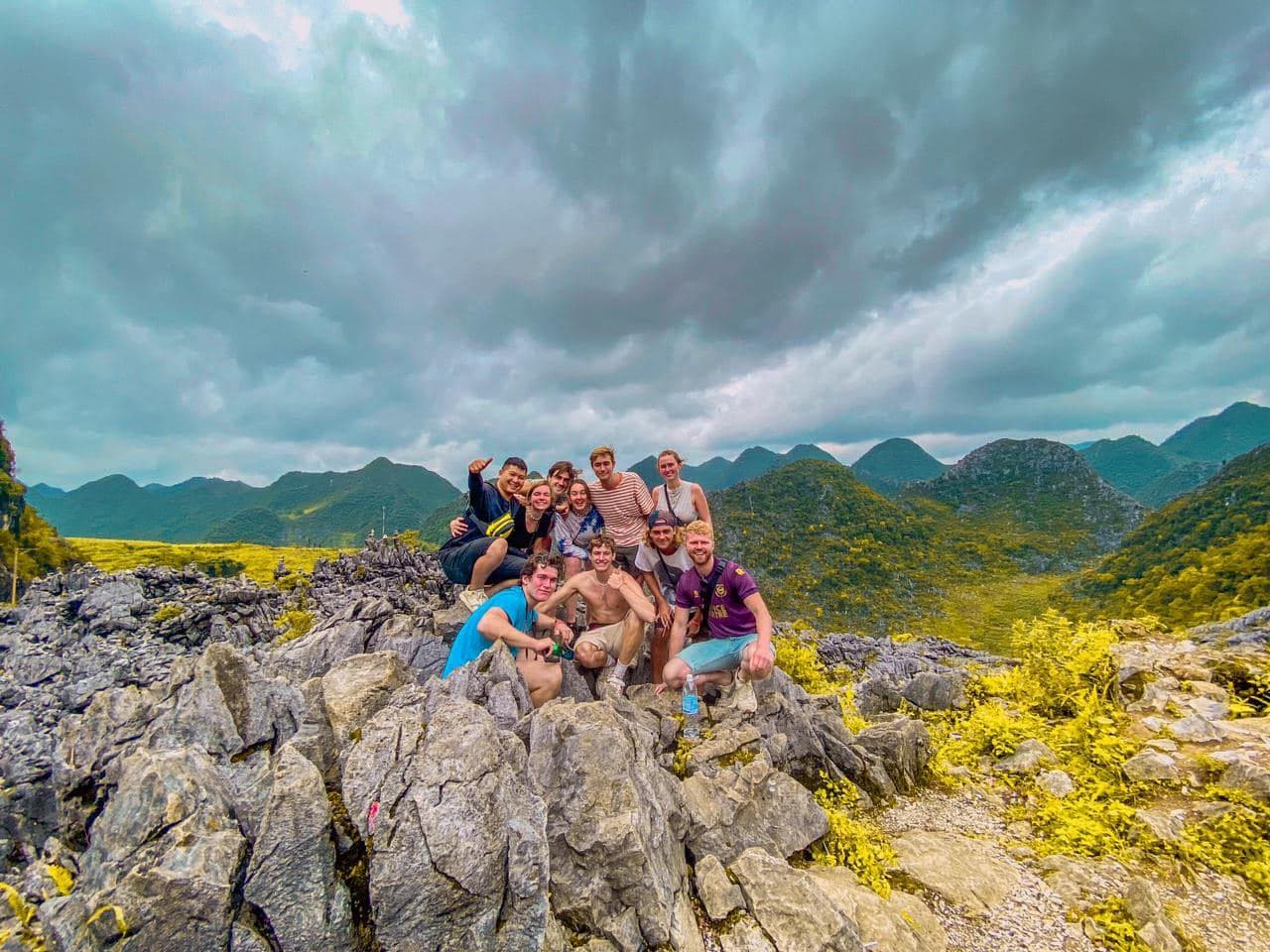
Planning to ride the Ha Giang Loop in July? This is when the mountains reach their deepest shades of green, waterfalls begin to flow more strongly, and clouds drift low across the valleys. While it’s not the peak tourist season, July offers a raw and authentic version of Ha Giang - where nature feels powerful, unpredictable, and incredibly alive.
This is the question we get asked the most. The honest answer is: July is both an amazing time and a serious challenge.
Whether it is “good” or not depends entirely on your travel style and how well you prepare. It’s not for everyone - but for the right kind of traveler, the Ha Giang Loop in July can become a truly one-of-a-kind experience.
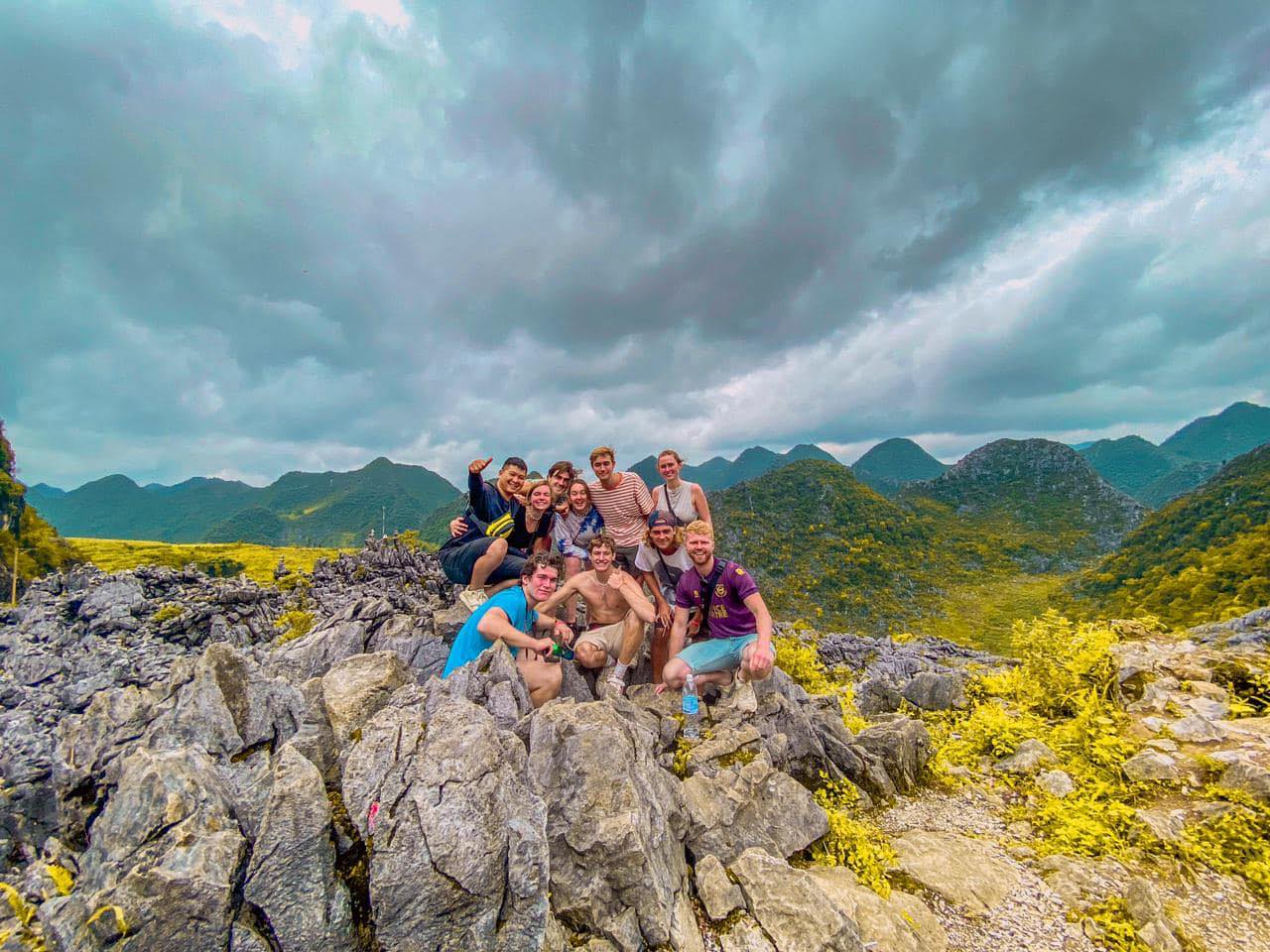
Instead of seeing rain as an obstacle, try to embrace it as part of the adventure.
The rainy season in Ha Giang doesn’t mean constant, all-day rainfall. More often, it comes in short, sudden showers that pass quickly, leaving behind fresh air and landscapes bursting with life.
Experiencing the Ha Giang Loop in July means witnessing nature at its most raw and powerful - a completely different beauty compared to the dry season.
If you need a quick answer about the Ha Giang Loop in July, here it is - but with a bit more context so you can really decide:
SHOULD GO if you are an adventurous traveler who enjoys unpredictable journeys, doesn’t mind getting a little wet or muddy, and wants to witness Ha Giang at its most alive. July is when the region feels raw, untamed, and incredibly green. Waterfalls are at their strongest, clouds move dramatically across the mountains, and every ride feels different from the last
RECONSIDER if your priority is comfort, safety, and perfect photo conditions. If you expect clear blue skies every day, dry roads, and a fixed itinerary without changes, July might not meet your expectations
In short, the Ha Giang Loop in July is not about perfection - it’s about experience. And whether that’s a positive or negative depends entirely on what you’re looking for.
To decide whether the Ha Giang Loop in July is worth it, you need to understand one key factor: the weather.
July is defined by a combination of rain, heat, and humidity, and these three elements interact constantly throughout the day. Rather than being stable, the weather feels dynamic - sometimes even within a few hours.
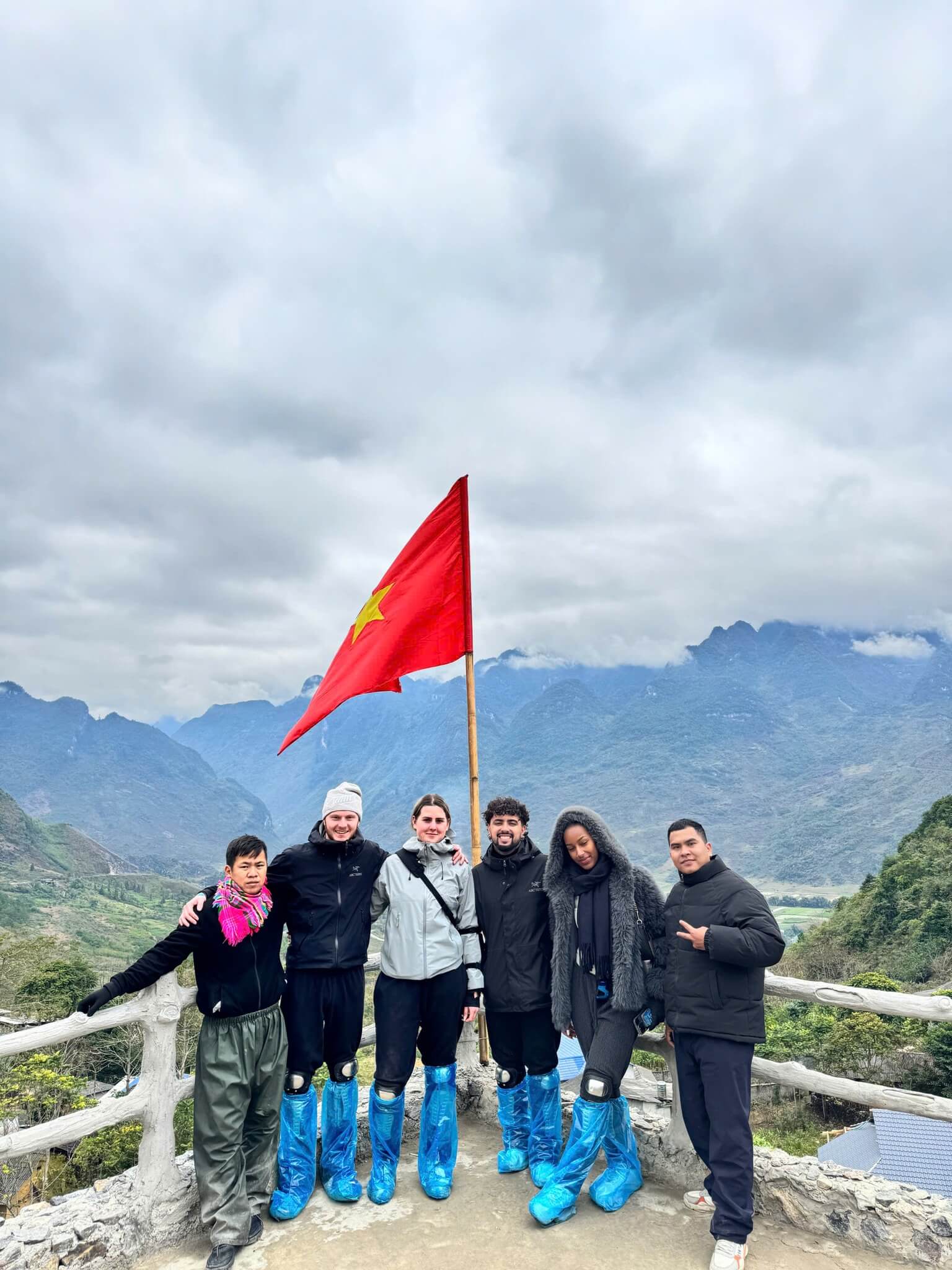
July is one of the warmest months in Ha Giang.
Temperatures typically range between 25°C and 32°C, but due to high humidity, the heat can feel more intense - especially when riding through valleys where air circulation is limited.
However, one of the most interesting aspects of the Ha Giang Loop in July is how quickly conditions can change.
As you ride higher into mountain passes like Ma Pi Leng, the air becomes cooler and fresher
After a rain shower, temperatures drop noticeably, creating a refreshing contrast to the earlier heat
This constant shift makes the journey more physically manageable than you might expect, as long as you pace yourself properly.
Rain in July is not consistent - it’s unpredictable.
You may experience:
Sudden heavy showers that last 30 - 60 minutes, followed by clear skies and sunshine
Light rain or drizzle that continues for hours, creating a slower and more relaxed travel pace
What makes the Ha Giang Loop in July unique is that rain rarely “ruins” the day—it simply changes it.
A sunny morning can turn into a misty afternoon, and then clear up again by evening.
Because of this, flexibility becomes more important than planning.
The best mindset is simple: Always expect rain - even when the sky looks perfect.
Traveling the Ha Giang Loop in July is not just about visuals - it’s a full sensory experience.
After a rainfall, the air carries a fresh, earthy scent, and the mountains seem to breathe with new energy. Water flows more strongly through streams and waterfalls, and the greenery becomes deeper and more saturated than at any other time of the year.
At the same time, there are practical aspects you need to accept:
Roads can become slippery, especially in less developed areas
Clothes and gear may feel damp at times
Travel plans may need to change depending on conditions
Once you accept that flexibility is part of the journey, July becomes much easier - and more enjoyable - to travel.
Despite its challenges, July has a unique charm that many travelers don’t expect until they experience it themselves.
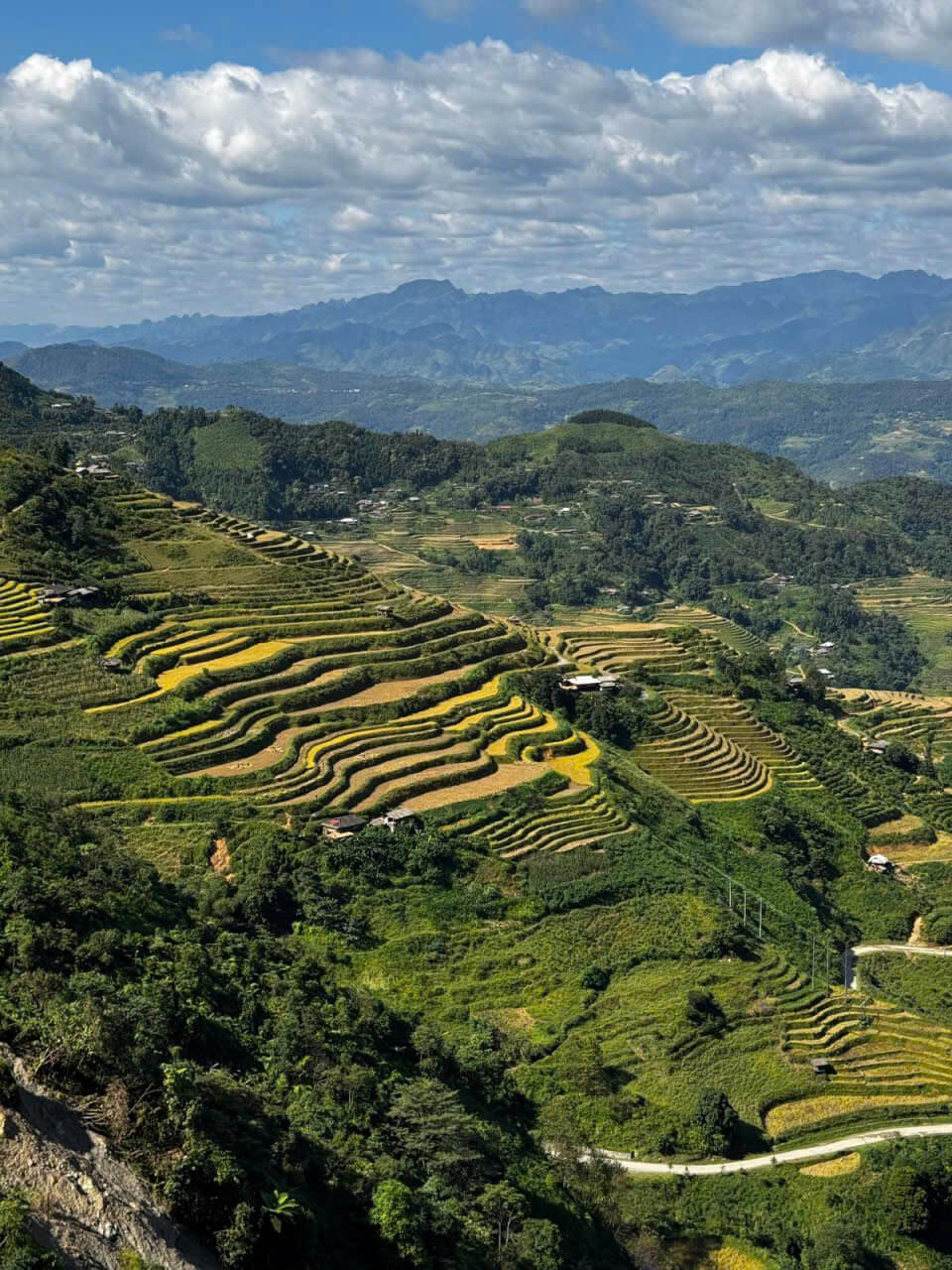
The most striking difference in July is the color of the landscape.
After weeks of rainfall, everything turns a deep, vibrant green. The terraced fields, hillsides, and forests all blend into layers of rich color that stretch across the mountains.
You’ll notice:
Terraced fields beginning to fill with water and early growth
Cornfields spreading across hills in strong green tones
Vegetation appearing thicker and more alive
This is not the polished beauty of peak tourist seasons - it’s a more natural, evolving version of Ha Giang.
Rain transforms the entire region, especially its waterfalls.
In July, water flows with much greater force, turning small streams into powerful cascades. As you travel, you’ll often hear the sound of water before you even see it, echoing through valleys and adding movement to the landscape.
This creates a more dynamic experience, where the scenery is not just something you observe - it’s something you feel around you.
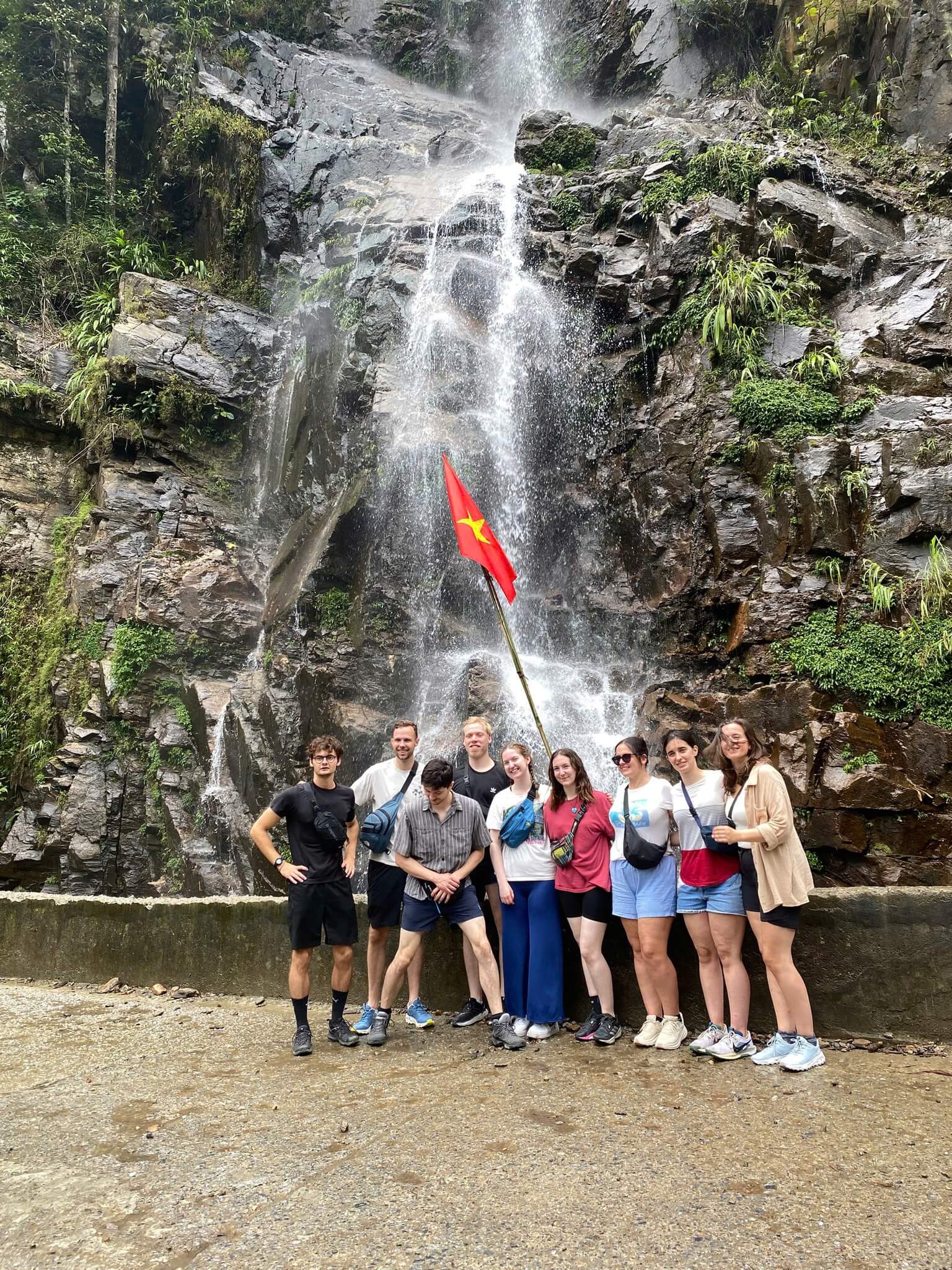
Because July is not peak season, Ha Giang feels noticeably quieter.
There are fewer people at major viewpoints, less traffic on the roads, and more space to experience each location without interruption. This slower pace allows you to connect more naturally with the environment and local life.
In many ways, this is what makes the Ha Giang Loop in July special. It’s not just about where you go, but how you experience it - with more freedom, more space, and a stronger sense of authenticity.
Alongside its advantages, it’s important to honestly acknowledge the challenges. These are the risks you should anticipate and prepare for when doing the Ha Giang Loop in July.
This is the biggest concern regarding Ha Giang Loop safety in July.
Heavy rain can make mountain roads extremely slippery, especially unpaved sections. More seriously, there is a risk of landslides along mountain slopes, which can block roads or even pose real danger.
Because of this, you need to ride very slowly and stay highly focused at all times.
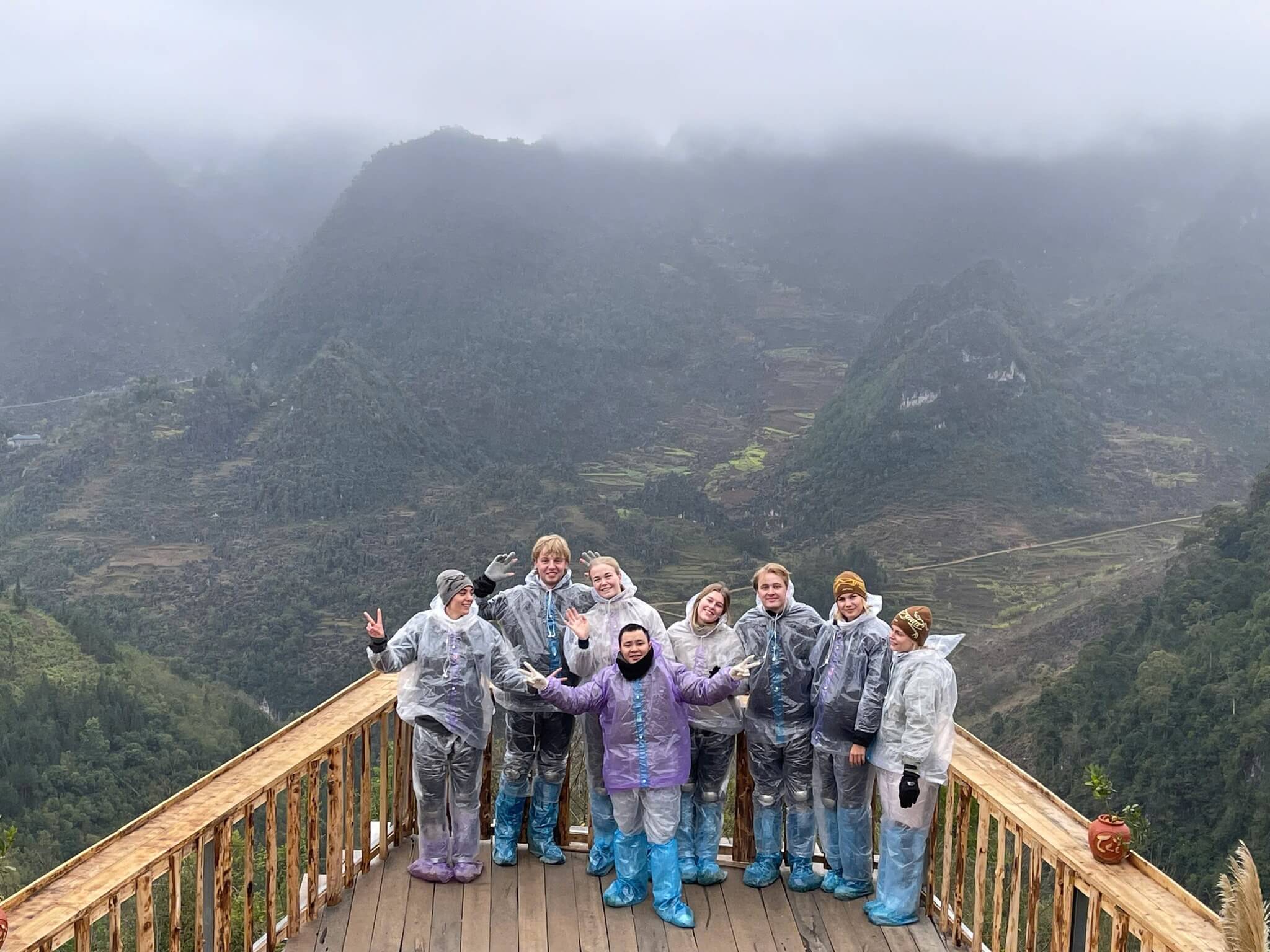
Fog and low clouds are common after rain, particularly on high mountain passes.
Limited visibility not only makes riding more difficult, but can also hide the spectacular views you were hoping to see. There may be days when you pass through places like Quan Ba Heaven Gate or Ma Pi Leng Pass and see nothing but a wall of white clouds.
Due to landslides or flooded roads, your itinerary may change completely.
A road can be blocked for several hours - or even an entire day. This is why flexibility is essential. Avoid planning a rigid schedule, and be mentally prepared to stay longer at certain stops than expected.
Safety should always be your top priority.
Traveling the Ha Giang Loop in July can be safe, as long as you are properly prepared and make smart decisions. Here are the key things you should carefully consider.
In July conditions, we strongly recommend hiring an Easy Rider (local driver). This is one of the most important decisions you’ll make.
Self-riding: Only suitable for highly experienced riders who are familiar with mountain roads and confident riding on slippery surfaces. The risk is very high if you are not fully confident
Easy Rider: Local drivers know every turn, every risky section, and areas prone to landslides. They have experience riding in the rain and can ensure maximum safety. You can simply sit back and enjoy the scenery
If you still decide to ride yourself, the key is not speed—but control.
Wet mountain roads behave very differently from dry ones. Braking distance increases, traction decreases, and even small mistakes can have bigger consequences. Because of that, your riding style needs to adapt.
The most important adjustments to keep in mind include:
Riding slower than usual, even on sections that seem easy
Keeping more distance from other vehicles, especially downhill
Braking earlier and more gently to avoid losing control
Paying close attention to road surfaces, as mud and gravel can appear suddenly
Avoiding night riding, when both visibility and road awareness drop significantly
These are simple habits, but in July conditions, they make a major difference.
In the rainy season, a local guide becomes much more than just someone who leads the way.
They understand how the weather behaves in this region—not just forecasts, but real patterns. They know which roads tend to become dangerous after rain, which routes remain safer, and when it’s better to stop rather than continue.
More importantly, they make decisions based on experience, not guesswork.
A good Easy Rider or guide will:
Adjust your timing to avoid heavy rain periods
Suggest alternative routes if conditions change
Help you avoid unnecessary risks without affecting the overall experience
This kind of support is difficult to replace, especially when traveling the Ha Giang Loop in July, where conditions can change quickly.
Packing for July is less about quantity and more about choosing the right items.
You don’t need to bring everything - but what you bring should help you handle both sunshine and rain comfortably.
In July, staying dry is not always possible - but staying prepared is.
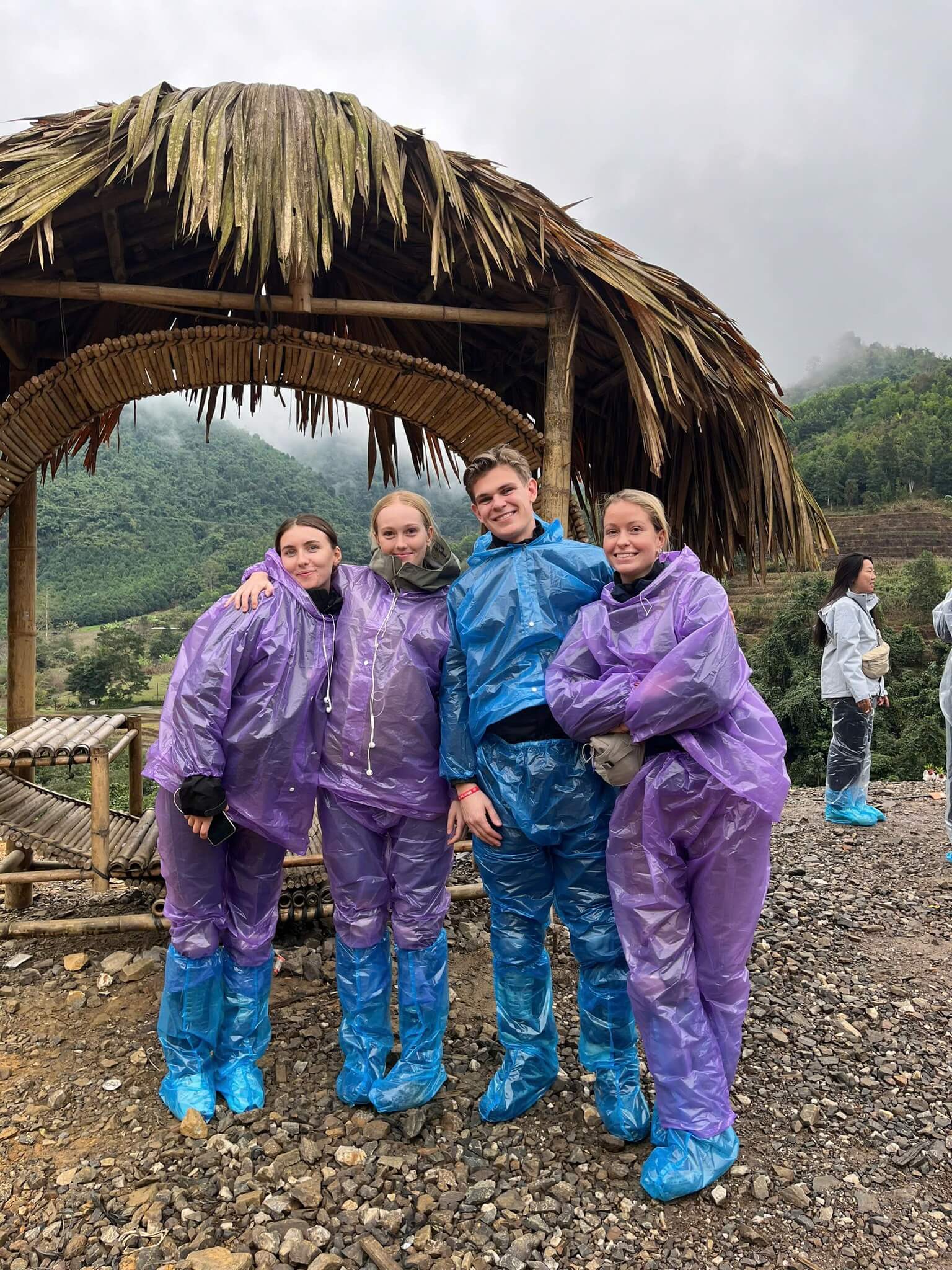
Instead of relying on basic gear, it’s worth investing in proper protection. A good rain setup doesn’t just keep you dry - it keeps you warm and focused while riding.
At minimum, you should have:
A quality rain suit with separate jacket and pants, which offers much better coverage than a poncho
A waterproof cover for your backpack to protect all your belongings
A dry bag for important items like your phone, camera, and documents
Footwear that can handle wet conditions, either waterproof shoes or sandals with strong grip
These items may seem simple, but they can completely change your comfort level during the trip.
Choosing the right clothing is just as important as having rain protection.
In July, you will likely experience both heat and rain in the same day. That’s why layering works best - it allows you to adjust quickly without overpacking.
A practical approach includes:
Wearing a light, breathable T-shirt as a base layer
Adding a thin waterproof jacket when needed
Choosing quick-dry fabrics instead of cotton, which stays wet for too long
Bringing extra socks, because wet feet can quickly become uncomfortable over long rides
This way, you stay flexible and comfortable no matter how the weather changes.
One thing many travelers underestimate is how quickly humidity can affect electronics.
Even if it’s not raining heavily, the air in July is often damp, and moisture can build up over time. Protecting your devices properly is essential.
A simple but effective approach includes:
Using zip-lock bags or dry bags for all electronics
Keeping devices inside your backpack rather than exposed
Carrying a power bank, since electricity may not always be reliable in remote areas
These small precautions help you avoid unnecessary problems during the trip.
Choosing when to travel to Ha Giang is really about choosing what kind of experience you want.
Each season offers something different, and July stands out in its own way.
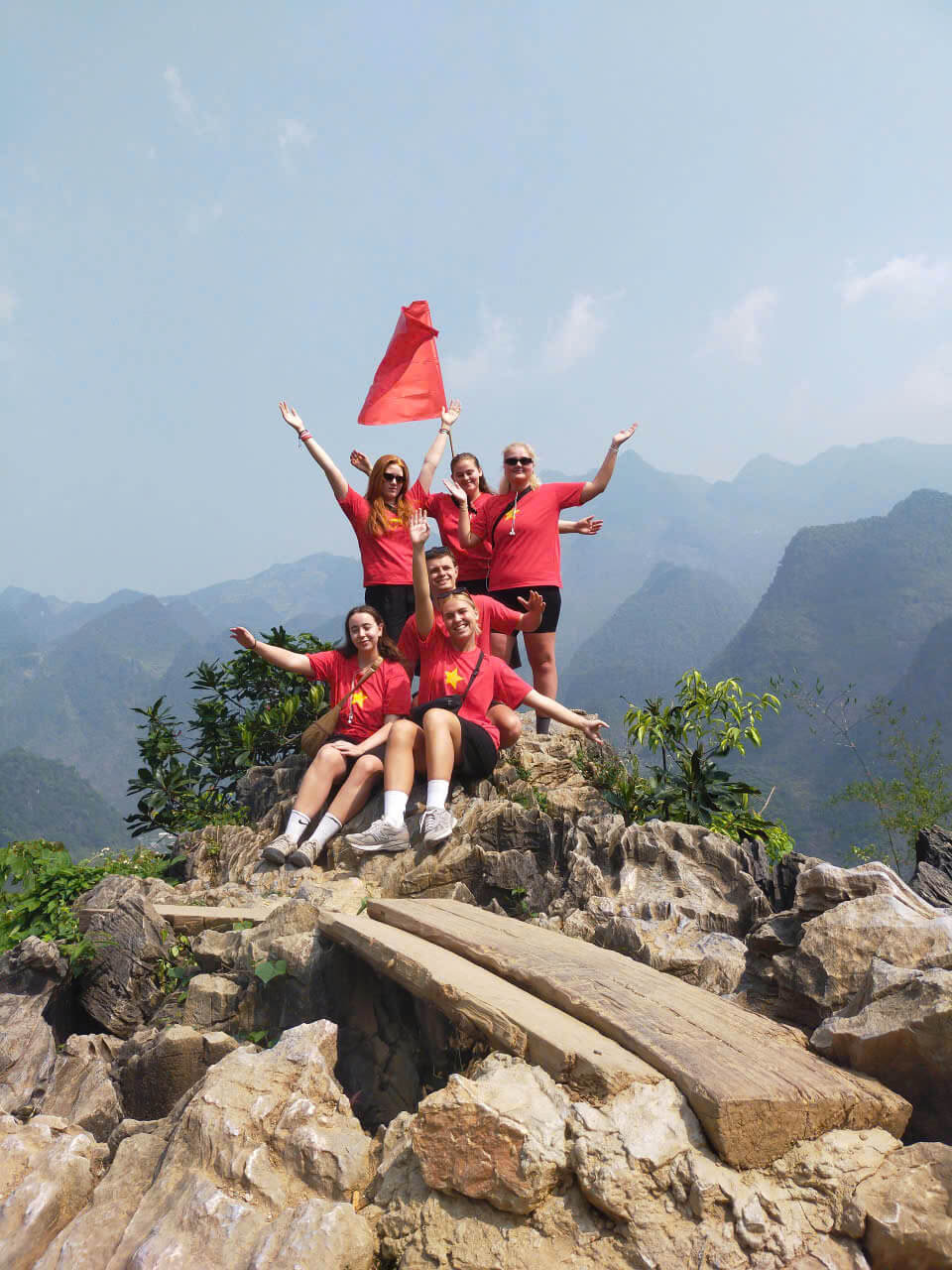
July and the dry season offer two very different ways to experience Ha Giang. In July, the landscape feels more alive, with deep green mountains, flowing waterfalls, and a quieter atmosphere thanks to fewer tourists. It’s a more natural, less crowded version of the loop, where the scenery constantly changes with the weather.
On the other hand, the dry season provides more stability. Roads are safer, skies are clearer, and it’s easier to plan your itinerary without interruptions. However, it can be busier and, outside of harvest season, the landscape may not feel as vibrant. Ultimately, the choice depends on whether you prefer a more dynamic journey or a smoother, more predictable one.
If you ask for the most “ideal” time, many travelers will point to September and October.
During these months, Ha Giang enters the harvest season:
Terraced fields turn golden
Weather is dry and comfortable
Visibility is at its best
However, this is also when the region becomes busiest.
In the end, there is no single “best” time - only the time that fits your travel style.
If you’re drawn to energy, movement, and raw nature, the Ha Giang Loop in July offers something that no other month can replicate.
Traveling the Ha Giang Loop in July is not about chasing perfect weather - it’s about embracing the journey in its most natural state. The mix of sunshine, sudden rain, and shifting clouds creates a constantly changing landscape that feels dynamic and real. Every turn of the road brings a new scene, a new atmosphere, and a different perspective of the mountains.
Of course, these conditions also require preparation and local understanding.
With Mikey Ha Giang, you don’t just ride through the loop - you experience it with guidance that adapts to the season. From selecting the safest routes to timing your stops for the best views, everything is designed to help you enjoy the journey without unnecessary risks.
If you’re ready for an adventure that feels less polished but more genuine, the Ha Giang Loop in July might be exactly what you’re looking for.