
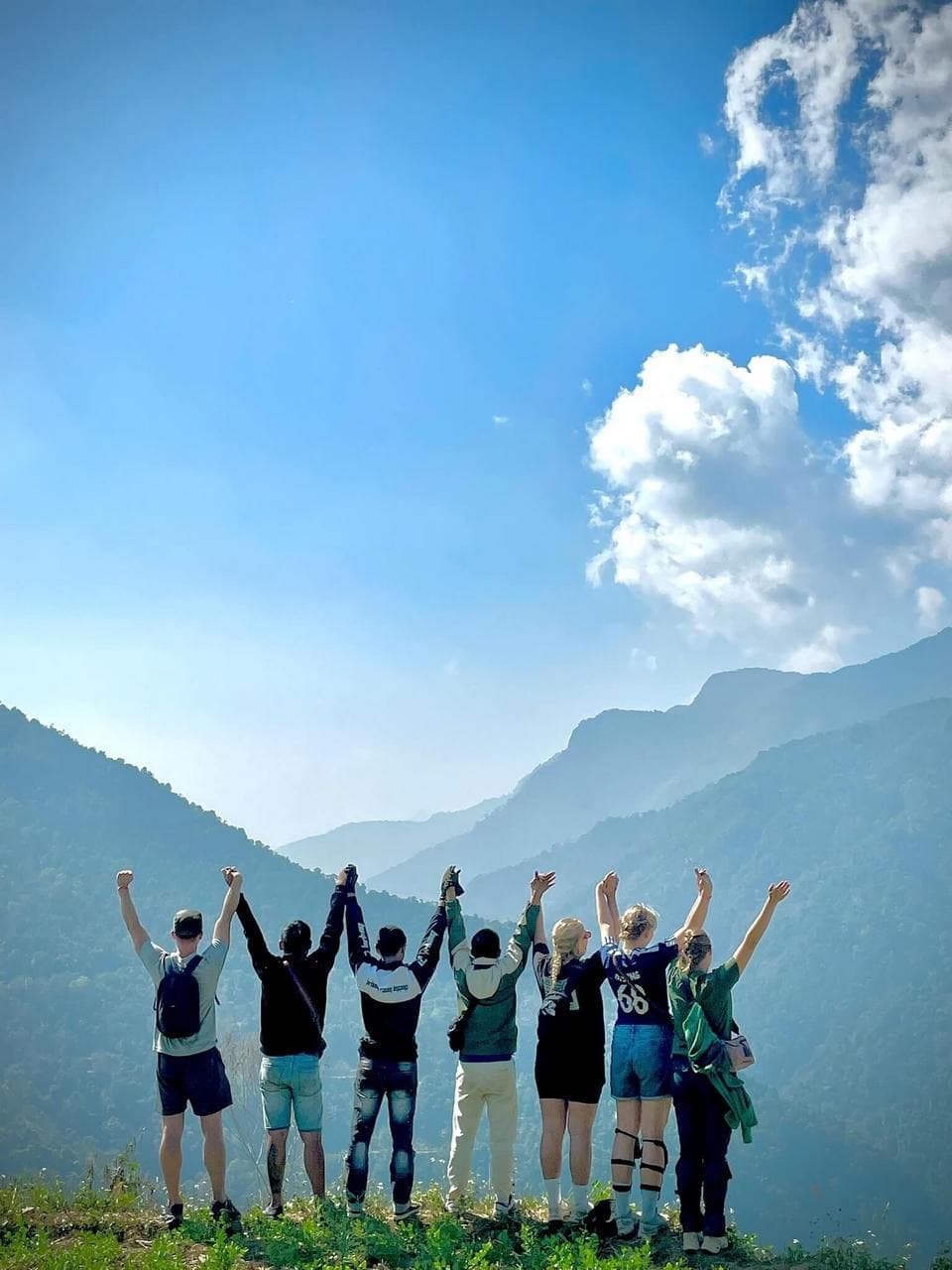
Thinking about riding the Ha Giang Loop in August? This is when the mountains are at their greenest, waterfalls flow strongly, and clouds drift low across the valleys. While August sits in the heart of the rainy season, it also offers a more authentic and less crowded experience - perfect for travelers who want to see Ha Giang in its most natural and untamed state.
There isn’t a single “right” answer to this question.
Whether the Ha Giang Loop in August is worth it depends entirely on your travel style and how much uncertainty you’re willing to accept.
August in Ha Giang feels like a contrast between two extremes. On one side, you have nature at its most vibrant - lush green landscapes, powerful waterfalls, and a sense of raw energy everywhere you go. On the other side, there are real challenges brought by the weather, especially rain and changing road conditions.
For some travelers, this combination creates one of the most unforgettable journeys of their life. For others, it can feel uncomfortable or even overwhelming if they are not fully prepared.
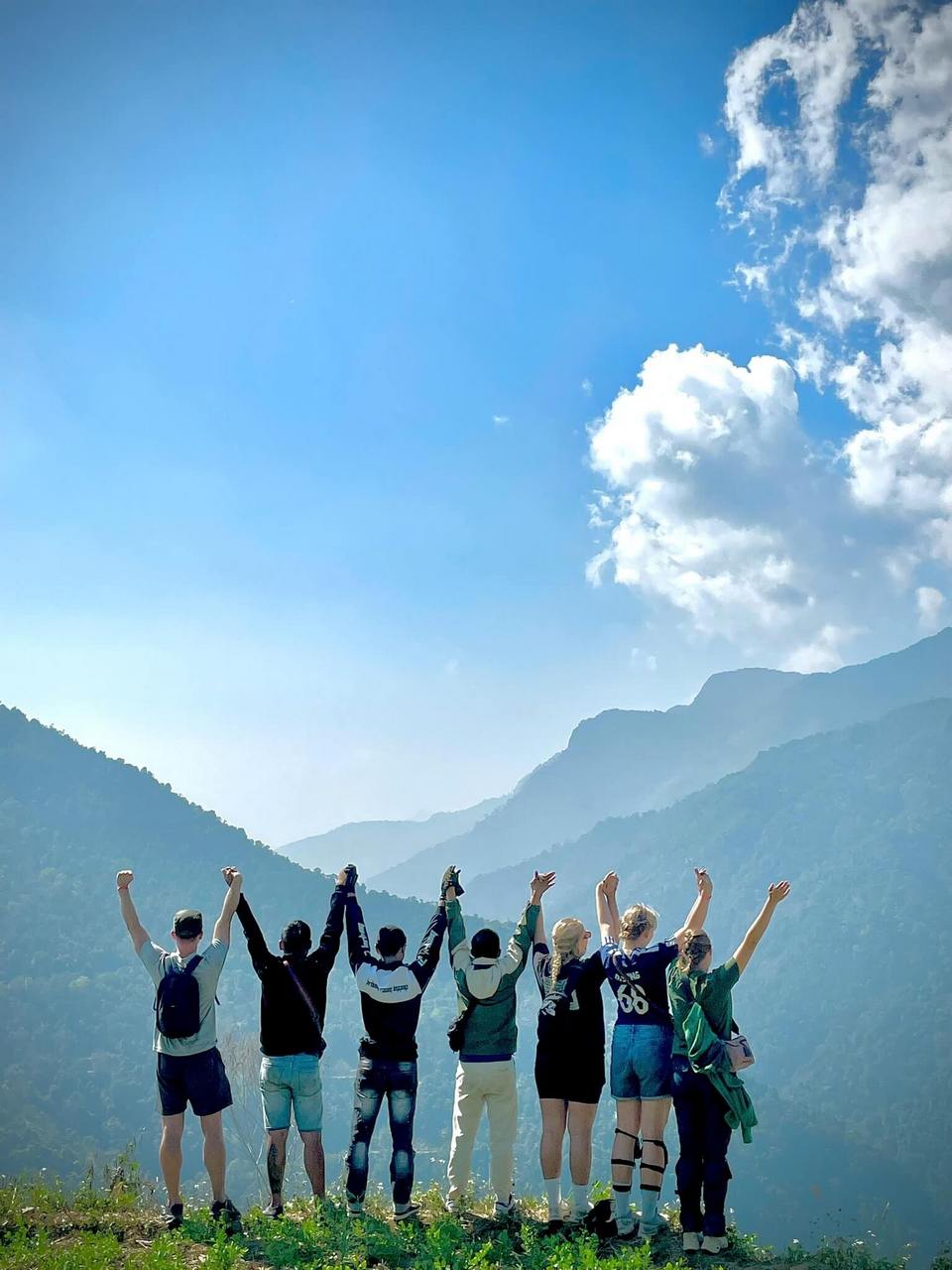
If you enjoy adventure, don’t mind a bit of discomfort, and already have some experience with motorbike travel, then the Ha Giang Loop in August can be an incredible choice. The reward is a landscape that feels alive - deep green, fresh, and constantly changing.
However, if you prefer a smooth journey with stable weather, clear visibility, and a fixed itinerary, it may be better to postpone your trip until the dry season. Waiting for better conditions can give you a safer and more relaxed experience, especially if this is your first time riding in mountainous areas.
Understanding the weather is the most important step when planning your trip.
In general, Ha Giang weather in August reflects a tropical highland summer at the peak of the rainy season. It’s warm, humid, and unpredictable - but also full of character.
August in Ha Giang is noticeably warm and humid.
Daytime temperatures usually range from 25°C to 32°C, but the high humidity - often above 85% - makes it feel hotter, especially in lower valleys where the air can feel heavy and still.
The good part is that this discomfort doesn’t last all day. As you move into higher elevations like Ma Pi Leng Pass, the temperature drops and the air becomes much cooler. After rain, the environment often feels surprisingly fresh and pleasant.
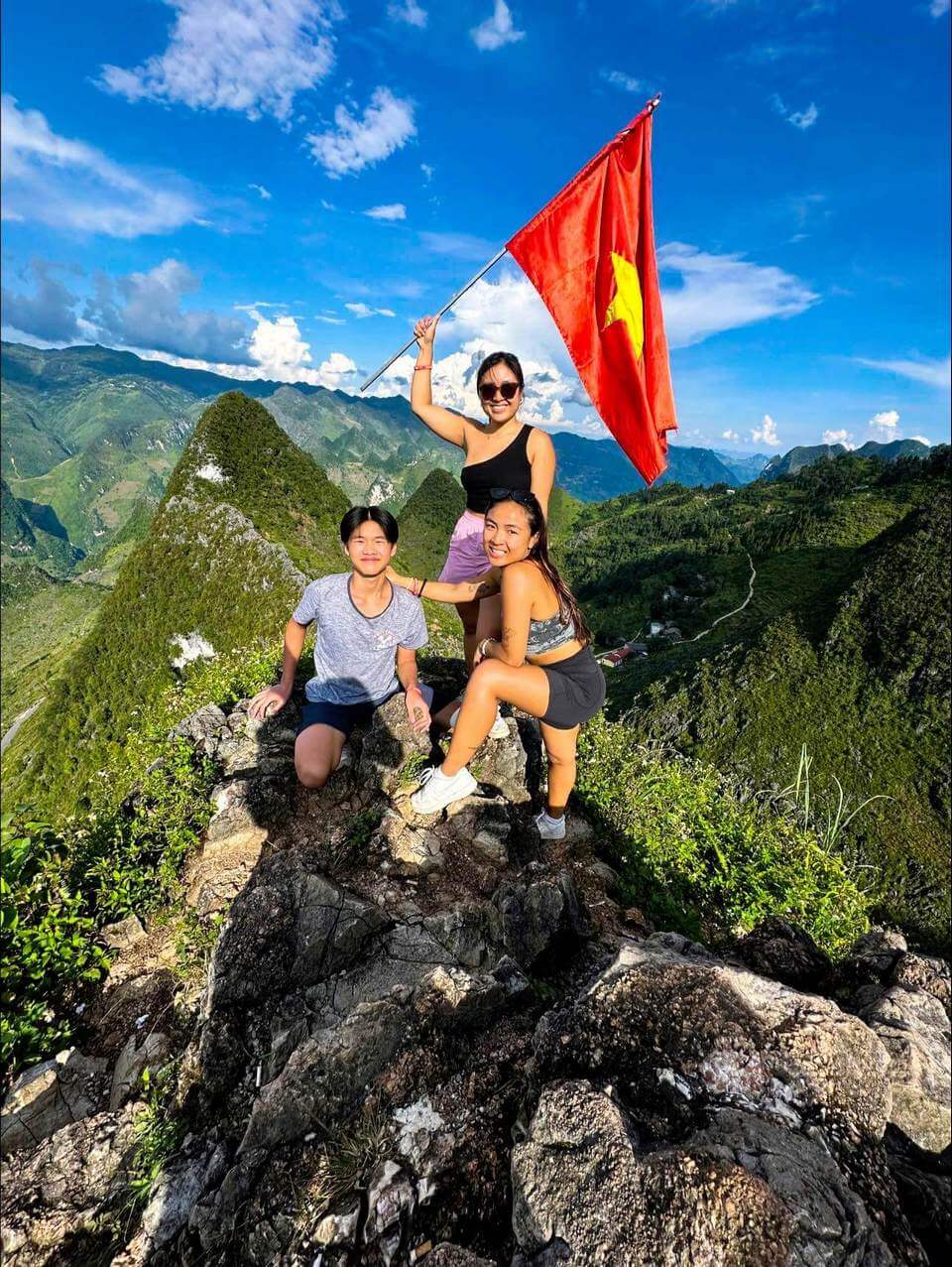
Rain is the most defining feature of the Ha Giang Loop in August.
This month sits right in the middle of the rainy season, meaning you should expect frequent showers. However, rain here rarely lasts all day. Instead, it tends to come in short, intense bursts.
Typically, you’ll notice that:
Rain arrives suddenly, often heavy for one or two hours, then stops just as quickly
Afternoon and evening are the most common times for rainfall, while mornings are often clearer and better for riding
Even short showers can bring large amounts of water, making roads slippery and occasionally causing local flooding
Once you understand this pattern, it becomes easier to plan your day—starting early, riding in the morning, and staying flexible in the afternoon.
Despite the rain, August has a unique charm that makes many travelers fall in love with it. This is often called the “green season”, when nature shows its fullest, most vibrant version.
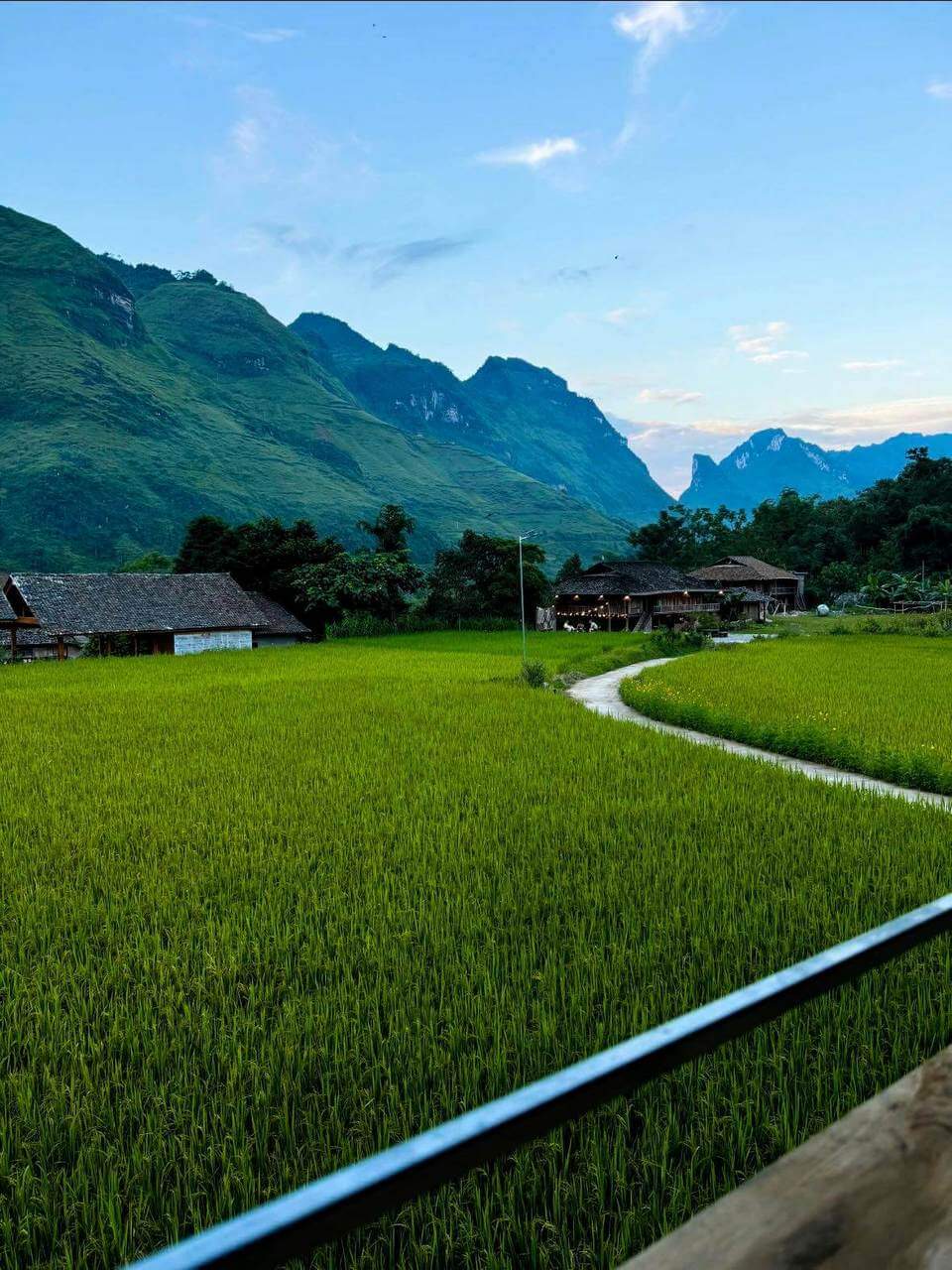
If you’ve ever admired photos of terraced rice fields, August is when you’ll see them at their richest.
The rice is growing strongly, covering the hillsides in a deep emerald green that stretches across valleys and mountains. After rain, sunlight reflects off the wet surfaces, making the colors appear even more vivid.
This is not the golden beauty of harvest season - it’s something fresher, more dynamic, and full of life.
Rain transforms the waterfalls of Ha Giang into something far more powerful.
Instead of gentle streams, you’ll see strong cascades rushing down cliffs, creating mist, sound, and movement throughout the landscape. Standing near one of these waterfalls in August feels completely different - you can hear it before you see it, and once you do, it leaves a lasting impression.
This is one of the experiences that simply doesn’t exist in the dry season.
Although Ha Giang is no longer completely quiet, August is still less crowded than peak months like September, October, or November.
This gives you more space to enjoy the journey:
Roads feel less busy
Viewpoints are more peaceful
Homestays and local restaurants are less crowded
As a result, the experience feels more personal and authentic, allowing you to connect more naturally with the landscape and local life.
Along with its beauty, August also brings challenges that you need to take seriously. Your experience will depend not on avoiding them, but on how well you prepare and respond.
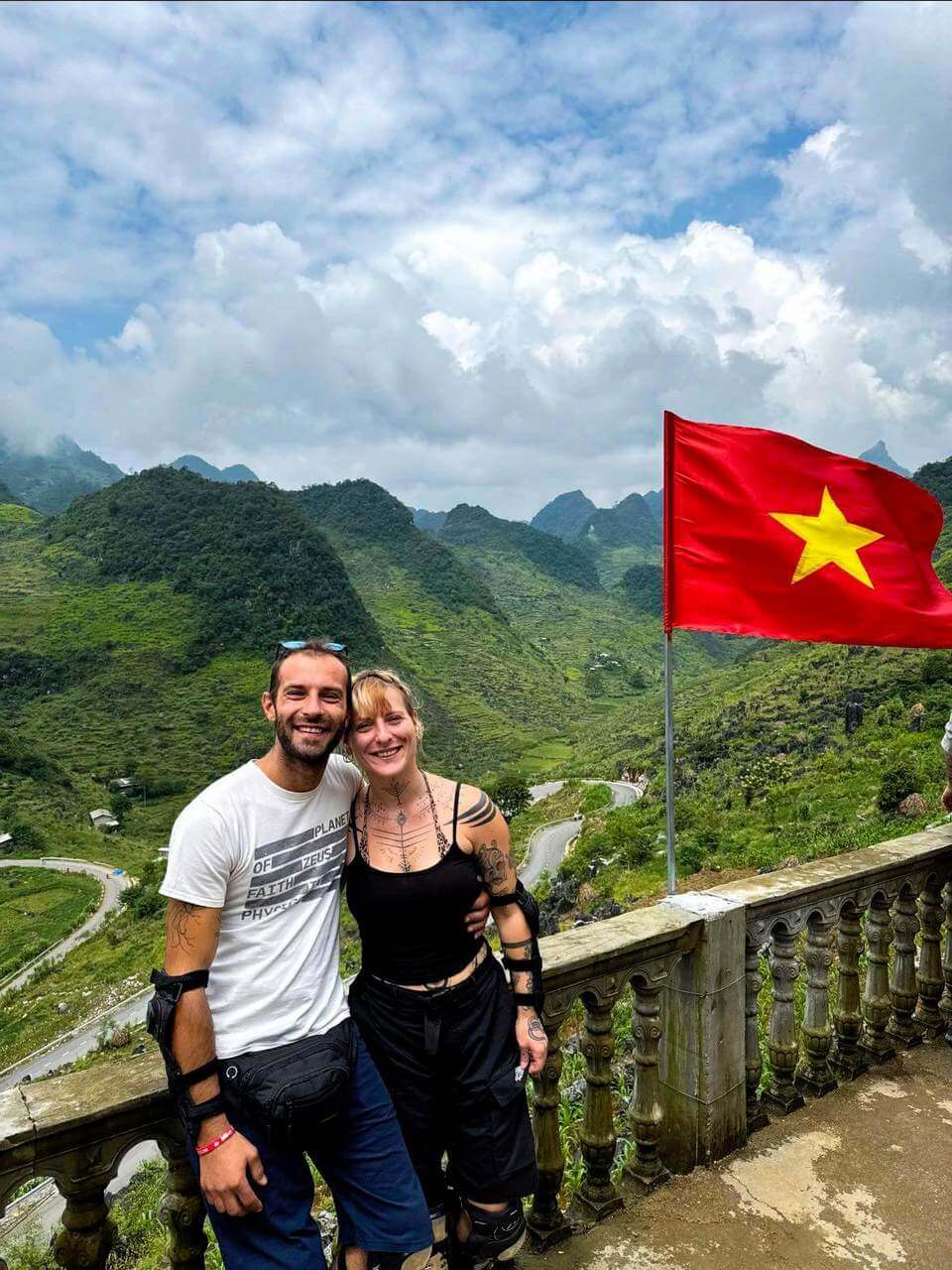
Rain changes road conditions significantly.
Even paved roads can become slippery, while dirt sections may turn into mud. This makes riding more demanding, especially for those who are not used to mountain roads. You’ll need to slow down, stay focused, and adjust your riding style throughout the journey.
Landslides are a real risk, particularly after several days of heavy rain. However, they do not happen everywhere or all the time. Local authorities monitor conditions closely and usually respond quickly when issues occur.
The safest approach is to travel with someone who understands the area. Hiring a local Easy Rider is one of the most effective ways to reduce risk.
Flexibility is essential in August.
Rain or road conditions may force you to change your plan—stopping earlier than expected or waiting for a route to reopen. Instead of trying to follow a fixed schedule, it’s better to approach the journey with an open mindset.
In many cases, these unexpected pauses become part of the experience.
Preparation can turn a difficult journey into an exciting one. If you’re planning a Ha Giang Loop in August, packing and planning properly will make a huge difference.
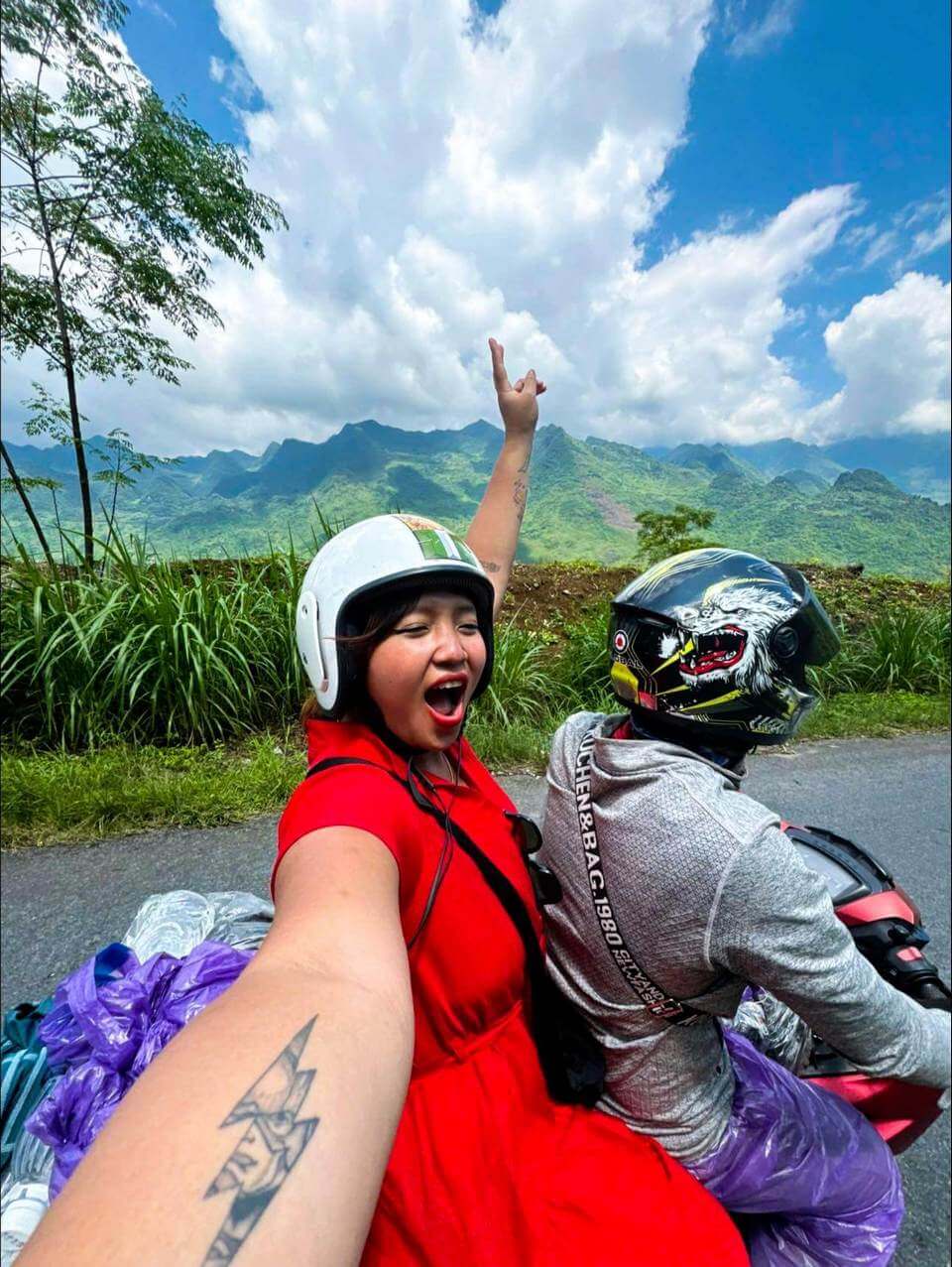
You don’t need to bring everything - but the essentials matter.
The most important items include:
A proper rain suit (jacket and pants), which protects you much better than a poncho
Waterproof bags or covers to keep your belongings dry
Footwear with good grip that can handle wet conditions
Quick-dry clothing instead of cotton, which stays wet for too long
Basic medicine for common travel issues
These simple preparations can significantly improve your comfort during the trip.
If you’re not highly experienced with motorbike travel, hiring an Easy Rider is strongly recommended.
They are not just drivers - they understand the terrain, weather, and potential risks. They know which roads are safe, when to continue, and when to stop.
In August, this kind of experience becomes especially valuable.
If you choose to ride yourself, you’ll need to adjust your approach.
The most important principles are simple: ride slower, keep distance, brake gently, and stay alert to road conditions. Avoid riding at night, and always pay attention to surfaces that may be slippery, such as mud, oil, or standing water.
To decide whether August is right for you, it helps to compare it with other times of the year.
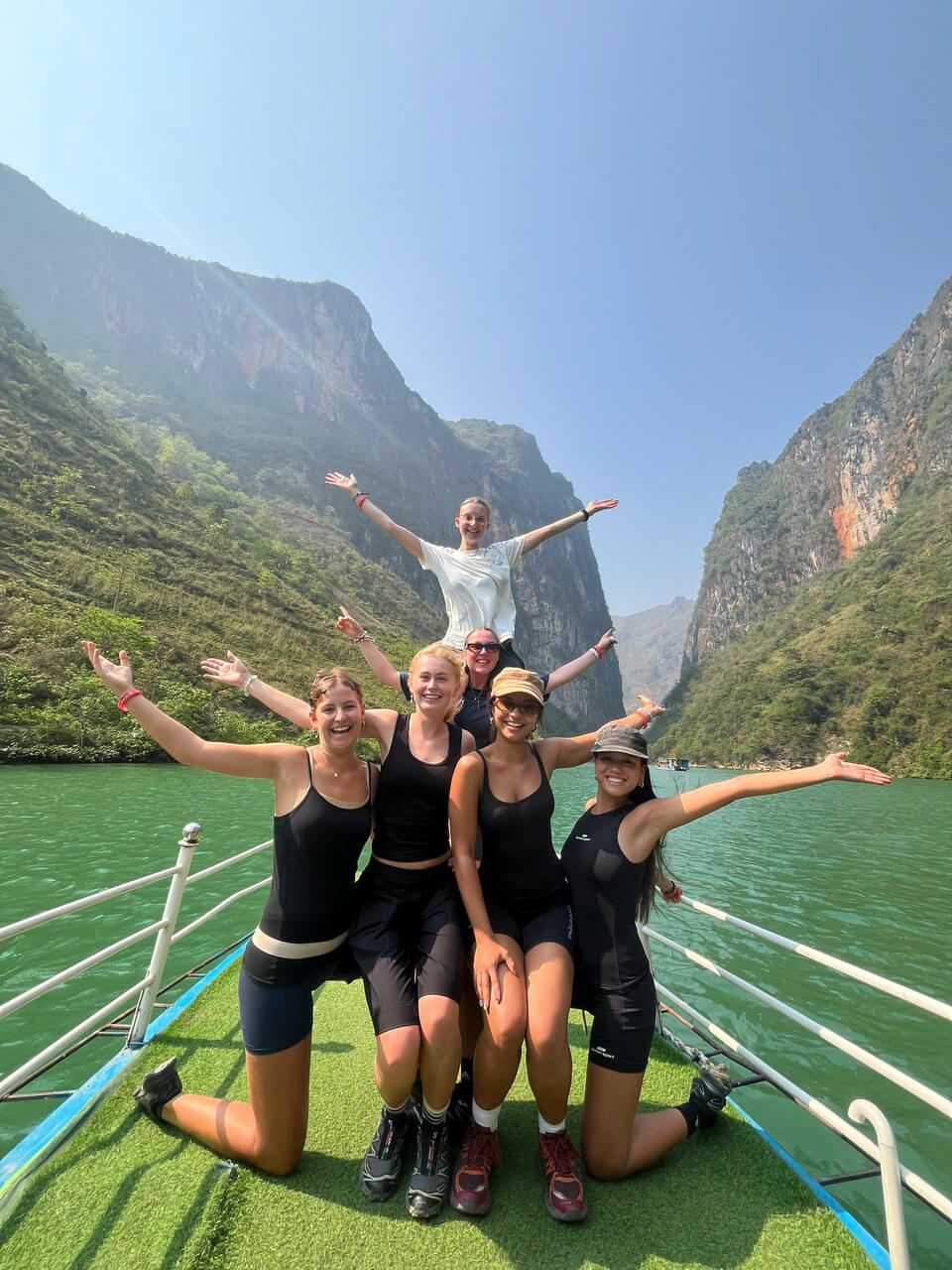
The dry season offers clear skies, safer roads, and more predictable travel conditions.
However, the landscape looks very different. After harvest, the fields can appear more bare, and the scenery feels more rugged than lush.
August, by contrast, offers vibrant greenery and a more dynamic environment—but with added challenges.
September is often considered the most beautiful month, when rice fields turn golden.
But it’s also the busiest. August sits right before that transformation. The fields are still green, the atmosphere is quieter, and the experience feels more relaxed.
If you prefer golden landscapes, choose September. If you prefer rich green scenery with fewer crowds, the Ha Giang Loop in August might be the better choice.
Traveling the Ha Giang Loop in August is not about chasing perfect conditions - it’s about embracing the journey as it unfolds. The mix of sunshine, rain, and shifting landscapes creates an experience that feels dynamic, real, and deeply memorable. Every stretch of road offers something different, from quiet valleys to dramatic mountain passes.
Of course, this kind of journey also requires preparation and local understanding. With Mikey Ha Giang, you’re guided by a team that knows how to adapt to the season - choosing safer routes, adjusting timing, and helping you experience the best of Ha Giang without unnecessary risks.
If you’re looking for a trip that feels less polished but more meaningful, the Ha Giang Loop in August might be exactly the adventure you’re searching for.