
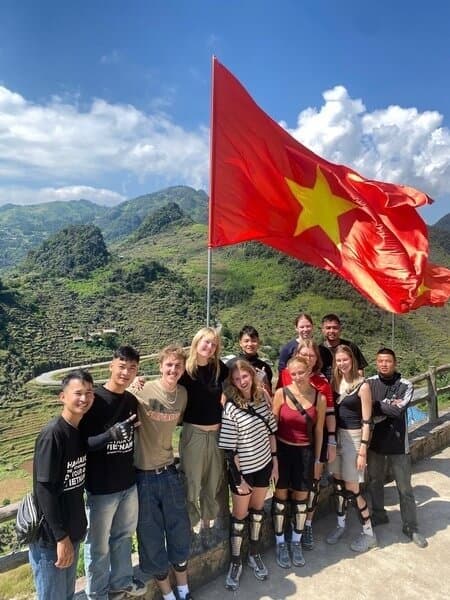
Ha Giang has long inspired travelers who love mountains, freedom, and roads that carve the clouds. If you’re searching for a clear, practical guide to visiting Ha Giang, this is where dreams turn into plans. With Mikey Ha Giang, you’ll get the most efficient route, the safest choices, and the confidence to explore Vietnam’s northern frontier at your own pace.
The journey from Hanoi to Ha Giang City is roughly 300 km. The distance looks manageable, yet smart transport choices matter because you’ll want fresh energy for the mountain routes that follow. Prioritize comfort, reliability, and timing so your first day in the highlands starts smoothly.
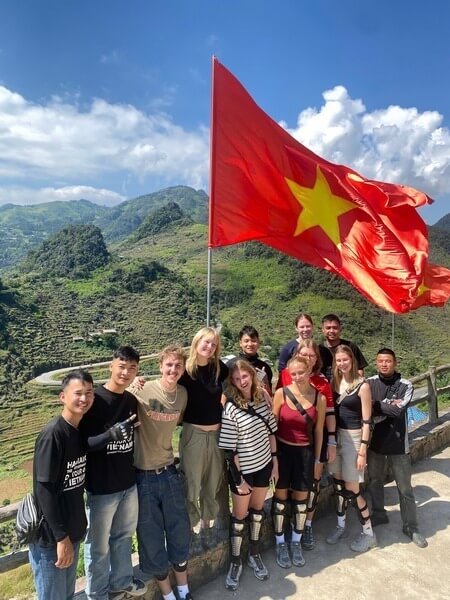
The standard intercity bus is the most budget-friendly option from Hanoi to Ha Giang. Buses depart throughout the day from major stations like My Dinh. They can make multiple stops to pick up or drop off passengers, which may extend the ride, but the fare remains attractive for cost-conscious travelers. If you don’t mind tighter seating or a longer transfer window, this solution works fine.
For better rest and a calmer start, step up to Limousine vans or Cabin Sleeper buses. These premium vehicles offer reclining seats or private berths, quieter cabins, and smoother service, which helps you arrive rested for mountain riding or sightseeing the next morning.
Prefer everything organized end-to-end? Book a door-to-door transfer with Mikey Ha Giang Tour. The team arranges reserved seating, coordinates pickup points, and minimizes roadside stops. You’ll avoid crowding, reduce delays, and keep the whole trip stress-free from the moment you leave Hanoi.

Once you arrive in Ha Giang City, a thoughtful plan makes all the difference. The terrain is rugged, and conditions change quickly. Know the seasons, confirm your riding style, and match expectations with reality to keep every day enjoyable.
Weather shapes the views, the roads, and the mood of your journey, so check Ha Giang weather before you go.
October – December: Buckwheat flowers are in full bloom. This is the most photogenic window and also the busiest.
January – March: Spring brings peach and plum blossoms across valleys and villages.
June – August: Rainy months. Mountain roads can be slick, with occasional landslides. If you’re not fully confident, consider guided options.
Decide whether you will ride yourself or sit behind a skilled local driver.
If you handle manual bikes confidently on steep passes, a self-drive loop using a reliable Ha Giang Loop map delivers raw freedom and unforgettable views.
If constant switchbacks feel daunting, choose an Easy Rider service with a local driver. You enjoy the scenery, the stories, and the photos, while an expert handles curves, weather calls, and route timing.
Budget for rentals or guided tours accordingly. As a reference point, international travelers should plan for equipment, permits, and local services when calculating costs. A classic 3-day Ha Giang Loop tour remains the most popular format, balancing time and coverage without rushing.
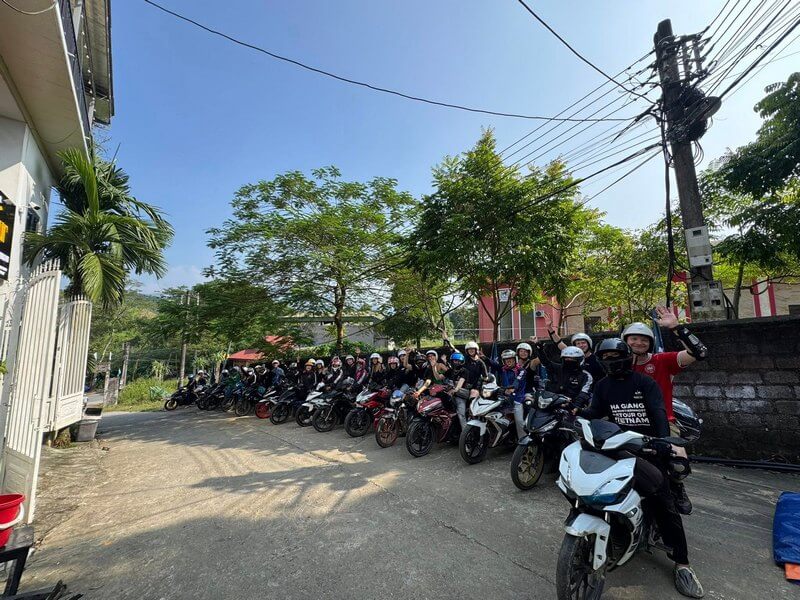
Before diving into the deep highlands in Ha Giang, spend a little time around the city and nearby gateways. Some highlights lie farther north, yet each stop builds momentum toward the heart of the loop.
About 46 km from Ha Giang City, Quan Ba Heaven Gate opens to sweeping views of a lush valley and the rounded Twin Mountains. Terraces ripple across the hills, and cool breezes set the tone for the climbs ahead. Pause here, breathe deeply, and let the first taste of the karst plateau sink in.
Set in Sa Phin Valley, the Vuong Palace (Hmong King’s Palace) showcases a striking blend of Hmong, Chinese, and French influences. Courtyards, timber frames, and stone details reflect wealth and strategy from another era. Ancient cypress lines the complex, creating a solemn atmosphere that contrasts beautifully with the surrounding mountains.
Near the palace, the Sa Phin H’Mong Village reveals daily life shaped by seasons, soil, and stone. Earthen-walled houses with yin-yang tiles, bright traditional garments, and children’s laughter form scenes you’ll remember long after leaving. Walk slowly, observe respectfully, and support local crafts when possible.
This is the mountain legend. Ma Pi Leng Pass ranks among Vietnam’s most dramatic roads. It hugs sheer cliffs above the jade-green Nho Que River, which cuts through the Tu San Canyon. Standing at the viewpoints, the world feels immense, and the silence speaks loudly.
Add a Nho Que River boat ride to view the canyon from below. The water mirrors cliffs and sky, revealing an entirely different angle on the same monumental landscape.
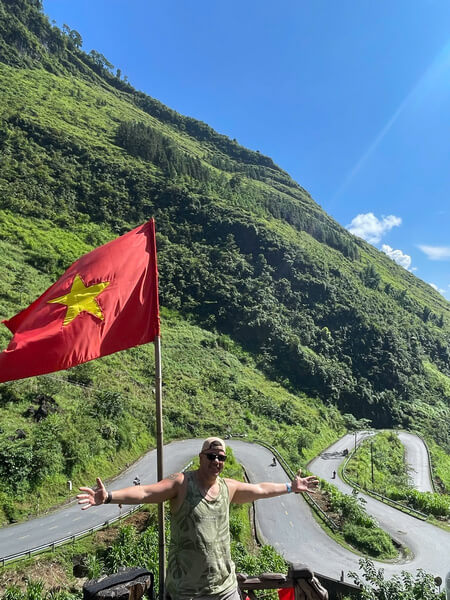
Even when most of the route is paved, certain segments can throw surprises. Expect occasional gravel, potholes, and mud, especially in remote areas. After heavy rain, fallen rocks or slide debris may appear around bends.
Look far ahead, keep a buffer from the edge, and slow before blind corners. Avoid hard braking mid-turn, hold a steady line, and use engine braking on long descents. If fog rolls in, reduce speed, switch lights on, and consider pausing for clearer visibility.
Mikey Ha Giang provides helmets, rain ponchos, and basic first-aid kits, along with guidance on current conditions. A little caution protects the entire adventure.
Ha Giang is more than a point on the map - it’s a personal frontier. The roads challenge, the scenery humbles, and the culture leaves a mark that lasts. Smart transport, seasonal awareness, and respectful curiosity will shape how deeply you connect with this region.
If you’re ready to visit Ha Giang, let Mikey Ha Giang handle the logistics, weather calls, and daily flow. You’ll gain space for sunrise views, canyon boat rides, and conversations that turn miles into memories.
Questions about routes, timing, or costs? Share your thoughts, and the team will help tailor a plan that fits your energy, comfort, and sense of adventure. The far north awaits - and your journey begins the moment you decide to go.