
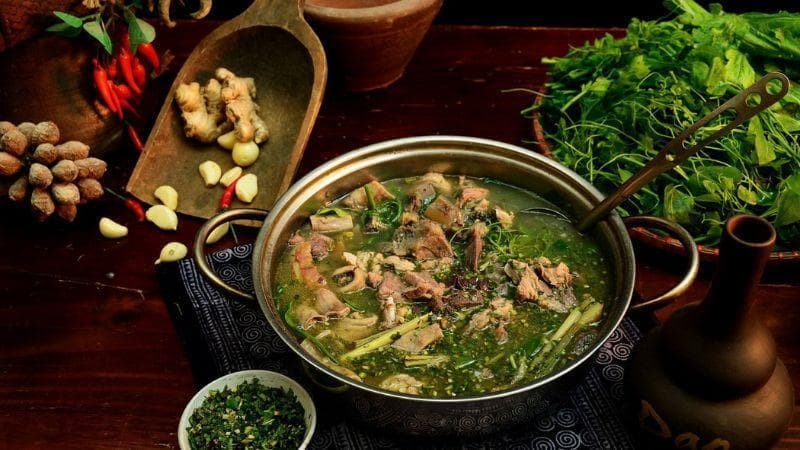
Thang Co Ha Giang is one of the most iconic and misunderstood dishes in Vietnam’s northern highlands. Often mentioned as a “must-try” local specialty, Thang Co is far more than a simple bowl of food. It represents market culture, community gatherings, and the everyday life of ethnic minorities in Ha Giang. In this guide, Mikey Ha Giang helps you understand what Thang Co really is, how it is prepared, how locals enjoy it, and what first-time visitors should know before trying this legendary highland dish.
Thang Co is a traditional dish of the H’Mong people and has long been considered an essential part of Ha Giang’s highland food culture. Over time, it has also been embraced by other ethnic groups such as the Tay and Nung, becoming a shared culinary identity across the region.
At its core, Thang Co is a slow-cooked soup prepared in a large iron pan over an open fire. Traditionally, it uses horse meat and internal organs, though modern versions may substitute beef or buffalo to suit wider tastes. The dish has been around for more than 200 years and was created to serve people traveling long distances to weekly markets.
The name “Thang Co” is believed to originate from the H’Mong phrase “thảng cố,” meaning “bone soup” or “pot of broth.” In the past, a steaming pan of Thang Co was the heart of every highland market - a place where people gathered, shared stories, drank corn wine, and warmed themselves against the cold mountain air.
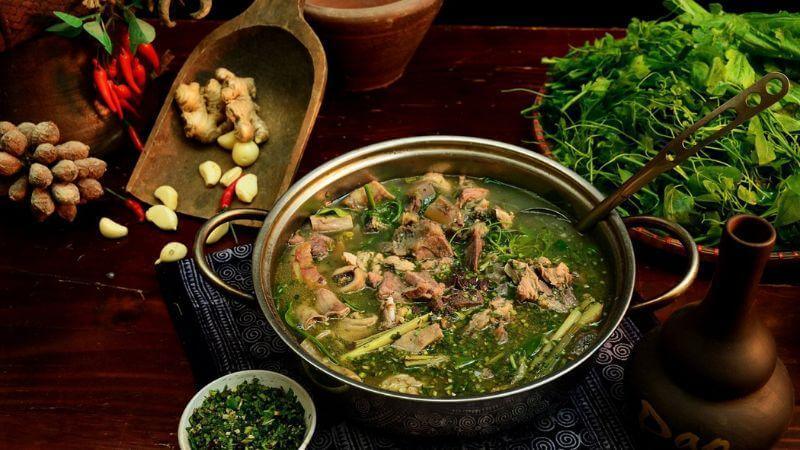
What Exactly Is Thang Co, and Why Does It Fascinate Travelers?
The appeal of Thang Co lies not only in its ingredients but in the careful balance of flavors and traditions behind it. Every pot reflects centuries of experience passed down through generations.
The most traditional version is horse Thang Co, where nearly every part of the animal is used. This reflects the highland philosophy of respecting livestock and avoiding waste.
The pot includes a combination of meat, bones, blood, and internal organs such as liver, heart, intestines, lungs, and stomach. Everything is cleaned meticulously before cooking to ensure safety and balance.
What truly sets Thang Co apart is its seasoning. A proper pot may contain up to twelve mountain spices, including cardamom, star anise, cinnamon bark, galangal, and hat doi—a rare forest seed unique to northern Vietnam. These spices don’t just add fragrance; they help neutralize strong flavors and create the dish’s signature depth.
Today, many eateries offer beef or buffalo Thang Co for travelers who prefer a milder introduction, while still preserving the traditional spice blend.
There’s no denying it - Thang Co is not for everyone. The aroma can be intense, and the taste unfamiliar to those accustomed to modern cuisine. But once you move past the first impression, Thang Co surprises you.
The broth is rich and savory, drawn from hours of slow simmering bones. The meat and organs add a deep, fatty warmth, while the herbs introduce layers of bitterness, spice, and earthiness. The result is a bold but balanced dish that becomes especially comforting in Ha Giang’s cool climate.
Many travelers who initially hesitated later admit that Thang Co became one of their most memorable food experiences in Vietnam.
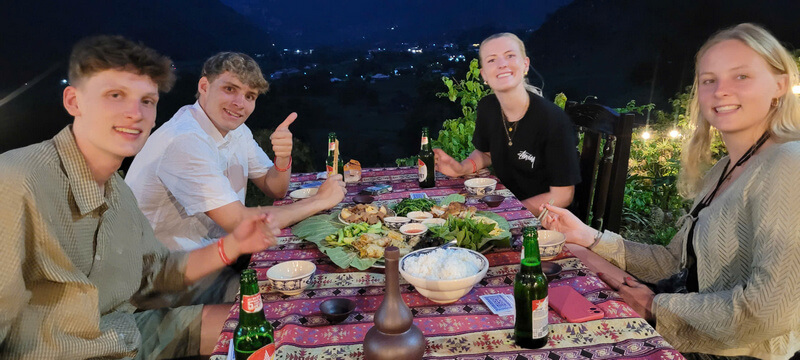
The Flavor of Thang Co – A Challenge or an Addiction?
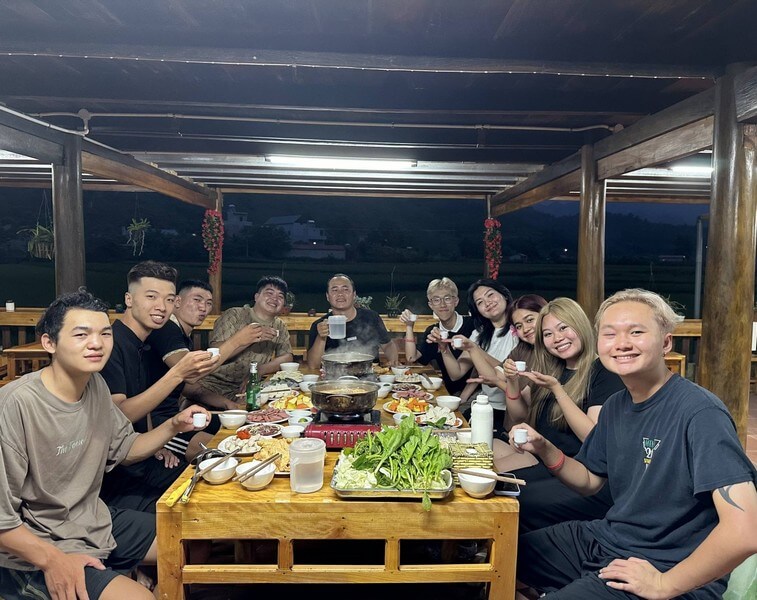
To fully appreciate Thang Co Ha Giang, it’s best enjoyed in the local way. The pot stays on the fire throughout the meal, keeping the broth hot and flavorful. Portions are served fresh, steaming, and meant to be eaten slowly.
Thang Co is almost always paired with Men Men, a traditional steamed cornmeal dish that balances the richness of the broth. Locals also dip bitter mustard greens into the pot, adding freshness and a contrasting flavor.
A small bowl of chili salt or fermented chili sauce sharpens the flavors, while a cup of strong corn wine completes the experience. Sharing Thang Co is social by nature—it’s about sitting together, talking, and embracing the rhythm of market life.
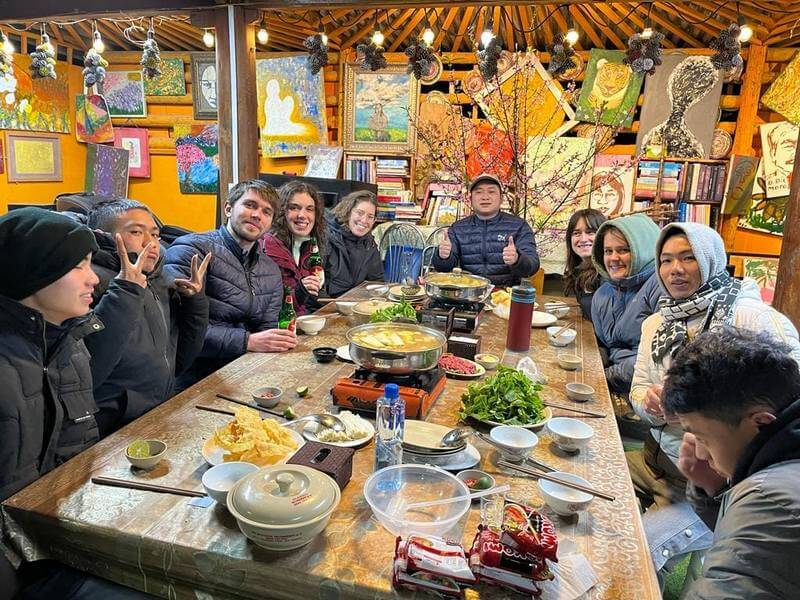
How Locals Truly Enjoy Thang Co Ha Giang
If you’re searching for truly authentic Thang Co, these are the places where tradition still thrives.
This is the most immersive way to experience Thang Co. Large iron pans bubble at the heart of the market, surrounded by locals and travelers alike. The setting adds authenticity that no restaurant can replicate.
For those wanting a cleaner, more organized space, A Quynh is well known for its consistent quality and traditional recipe, making it popular among both locals and visitors.
Similar in atmosphere to Dong Van, Meo Vac’s market offers a lively backdrop where Thang Co feels deeply connected to daily life.
If time is limited, several restaurants in Ha Giang City serve well-prepared Thang Co using adapted recipes suitable for first-time diners.
A small but famous stall known for bold flavors and loyal local customers—proof that reputation matters more than size.
Trying Thang Co Ha Giang is not simply about tasting a dish - it is about entering a cultural space that has existed for generations. For first-time visitors, the experience can feel intense, even confronting, especially if you are unfamiliar with traditional highland cuisine. That is completely normal.
The most important thing to remember is mindset. Thang Co is not designed to impress tourists or adapt to international palates. It was created for people who lived in harsh mountain conditions and needed warmth, energy, and communal connection. Approaching it with curiosity rather than judgment makes a huge difference.
If you are unsure, start slowly. Take a small portion, observe the aroma, and taste gently. Many travelers make the mistake of comparing Thang Co to soups or stews they already know. This often leads to disappointment. Instead, treat it as something entirely new - because it is.
Thang Co tastes very different depending on the location. Market versions are often more authentic and stronger in flavor, while restaurants may adjust spices to be more approachable. If you have a sensitive stomach or are new to highland food, choosing a well-known local eatery can help ease the experience.
Eating Thang Co is also a social ritual. Locals rarely eat it alone. It is meant to be shared - people sit close together, talk, laugh, drink corn wine, and slowly enjoy the meal. Joining this atmosphere helps you understand why the dish holds such cultural importance. When eaten in silence or too quickly, Thang Co loses much of its meaning.
Finally, listen to your body. Thang Co is rich and warming, especially in cold weather, but it can feel heavy if eaten too late in the day or in large portions. Many locals enjoy it in the morning at markets, when energy levels are high, and the body welcomes warmth.
When approached with respect and patience, Thang Co stops being a “food challenge” and becomes a bridge - connecting you to Ha Giang’s people, history, and way of life.
Important Notes Before Trying Thang Co Ha Giang for the First Time
Trying Thang Co Ha Giang is not simply about tasting a traditional dish - it is about stepping into the rhythm of highland life, sitting among locals at a weekly market, sharing stories over a warm bowl, and understanding the deep cultural roots behind every ingredient. When experienced in the right setting, Thang Co becomes a bridge that connects travelers to the spirit of Ha Giang’s ethnic communities.
However, finding authentic Thang Co, understanding when and where it is traditionally prepared, and experiencing it respectfully can be challenging for first-time visitors. That’s why many travelers choose to explore this cultural delicacy through a local-led journey with Mikey Ha Giang. With carefully designed itineraries that combine ethnic markets, village life, and regional cuisine, Mikey Ha Giang ensures you don’t just eat Thang Co, you truly understand it.
If you’re looking for a Ha Giang journey that goes beyond landscapes and into real cultural depth, experiencing Thang Co with Mikey Ha Giang is a meaningful place to begin.