If you are planning a journey through Ha Giang and want to experience something truly different from popular tourist spots, Pho Cao Market is a destination you should not miss. This is not just another highland market. It is a rare example of the traditional “backward market” system, deeply rooted in the lifestyle of ethnic communities living on the Dong Van Karst Plateau. In this detailed guide by Mikey Ha Giang, you will learn about the market's location, its unique schedule, what makes it culturally special, and how to incorporate it perfectly into your Ha Giang itinerary.

Route to Pho Cao market
Pho Cao Market is located in Pho Cao Commune, Dong Van District, Ha Giang Province. The market is situated right next to National Highway 4C, also known as the legendary Happiness Road, the main route connecting Ha Giang City with Dong Van and Meo Vac.
This location makes the market extremely convenient for travelers exploring the Ha Giang Loop. After passing the famous Tham Ma Pass, and before reaching Sung La Valley, you will notice a wide open area along the road that comes alive on market days. Because it lies directly on the main route, Pho Cao Market can be visited without detours, making it a perfect cultural stop during your journey.
What makes Pho Cao Market truly special is not its size, but its unusual market calendar, known locally as “cho lui” or backward market. This tradition has existed for generations and reflects the flexible rhythm of life in the highlands.
What truly sets Pho Cao Market apart is not its scale or commercial activity, but its unusual market calendar, known locally as “cho lui” - the backward market. This is a long-standing tradition that reflects the flexible, nature-driven rhythm of life on the Dong Van Stone Plateau, where time is measured less by modern schedules and more by seasonal cycles and communal needs.
For example:
This rotating schedule creates anticipation and excitement among local people. It also allows residents from surrounding villages to attend different markets without schedule conflicts.
This backward rotation is not random. It follows the lunar calendar that highland communities have relied on for generations. Pho Cao Market traditionally takes place on Rat (Tý) and Horse (Ngọ) days of the lunar month. While this system may feel unfamiliar to first-time visitors, it is deeply ingrained in local life. Checking the lunar calendar before your journey is therefore essential if you want to experience this rare cultural phenomenon rather than arriving at an empty market ground.
Visiting Pho Cao Market is not about shopping in the conventional sense. It is about witnessing how culture, community, and everyday life come together in one vibrant space, creating a living snapshot of the highlands that cannot be staged or replicated.
From early morning, ethnic groups such as Hmong, Dao, and Pu Peo walk or ride horses from distant villages to the market. They wear their finest traditional clothing, hand-embroidered with complex patterns and bright colors.
Women carry baskets filled with produce. Men lead horses or sit together sharing cups of corn wine. Children follow their parents, observing and learning the traditions that will shape their future.
The sound of conversation, laughter, greetings, and bargaining creates an atmosphere that feels lively yet deeply human.
This is not a performance for tourists. It is real life unfolding naturally.
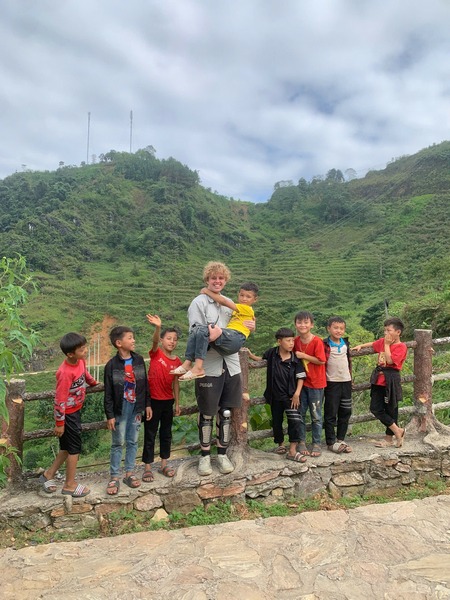
A Living Cultural Mosaic in Pho Cao Market
For highland communities, the market is a weekly reunion point. People come to exchange news, maintain friendships, arrange marriages, and strengthen community bonds.
Many visitors say that spending just one morning at Pho Cao Market offers deeper insight into Ha Giang culture than hours of sightseeing elsewhere.
Walking through Pho Cao Market offers a clear insight into how closely people here live with nature and tradition. Every item on display tells a story of survival, craftsmanship, and adaptation to the harsh conditions of the stone plateau.
Most of the agricultural products are grown locally in small quantities. Corn, soybeans, and vegetables cultivated among limestone rocks reflect the ingenuity of farmers who work with limited soil and water. Wild greens, forest herbs, and seasonal plants are collected from surrounding mountains and brought to market in simple bundles. Livestock trading also takes place, with chickens, small pigs, and other animals changing hands in quiet corners of the market.
One of the most visually striking sections of Pho Cao Market is the area where handwoven fabrics are sold. Hmong women produce linen entirely by hand, from spinning fibers to dyeing and weaving cloth using traditional techniques passed down through generations. The patterns embroidered on scarves, bags, and clothing often carry symbolic meanings tied to family lineage, local beliefs, or village identity. Buying these textiles is not only about taking home a souvenir, but also about supporting cultural practices that are slowly fading in many parts of the world.
Elsewhere in the market, practical tools dominate. Hand-forged knives, hoes, and farming implements are displayed with quiet pride. These objects may appear simple, but they remain essential to daily survival in the highlands, reminding visitors that the market still plays a vital role far beyond tourism.
Exploring the Local Products of Pho Cao Market
Food is an inseparable part of the Pho Cao Market experience, offering visitors a direct taste of highland life. Throughout the market, small cooking areas appear, with large iron pots simmering over open fires and steam rising into the cool mountain air.
Thang Co, the most iconic dish of the northern highlands, is prepared slowly and shared communally. Its rich aroma and bold flavors may surprise first-time visitors, but for locals, it represents warmth, connection, and tradition. Alongside it, Men Men - steamed corn flour - appears humble yet deeply significant, forming the staple diet of many Hmong families.
Corn wine, distilled using forest yeast, is poured generously and shared freely. Strong, aromatic, and warming, it reflects the hospitality of the highlands. Simple snacks such as buckwheat cakes or naturally colored sticky rice add sweetness to the experience. Sitting on a low stool, eating hot food while watching the market slowly unfold around you, is often the moment travelers remember most vividly.
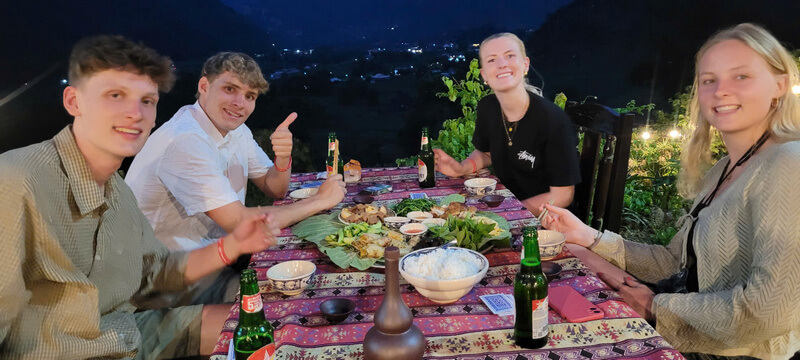
Must-Try Food at Pho Cao Market
Pho Cao Market is most active in the early morning, usually between six and nine o’clock. Arriving during these hours allows you to witness the market at its most vibrant, when villagers have fully gathered, and interactions feel most natural. As the morning progresses, the market gradually quiets down, and many traders begin their journeys home.
Comfortable clothing and sturdy shoes are essential, as the ground can be uneven and weather conditions change quickly in the mountains. Cash is necessary, since transactions are conducted entirely in cash and prices are often negotiated through friendly conversation rather than fixed signs.
Photography is welcome, but respect is crucial. Asking permission before taking photos, especially of individuals, shows cultural sensitivity and is usually met with warm smiles and openness.
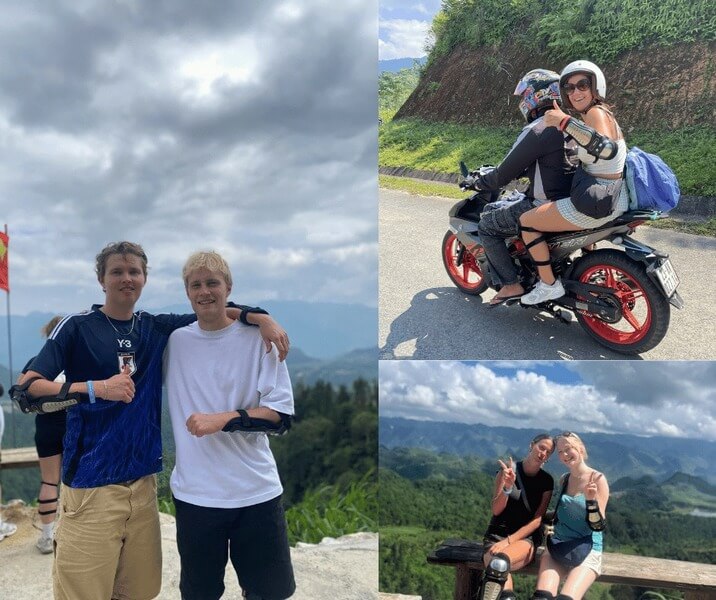
Travel safely with Mikey Ha Giang’s motobike tour.
Thanks to its location along Highway 4C, Pho Cao Market fits seamlessly into a Ha Giang Loop itinerary. Many travelers combine a market visit with nearby landmarks such as the Vuong Family Mansion, the peaceful Sung La Valley, or the iconic Lung Cu Flag Tower. With thoughtful planning, a single day can offer both deep cultural immersion and stunning natural landscapes.
Pho Cao Market is not just a stop along the road. It is a window into the authentic rhythm of life on the Dong Van Stone Plateau. For travelers seeking a genuine cultural connection rather than surface-level sightseeing, this market offers something rare and meaningful.
However, because of its remote location and unique schedule, visiting Pho Cao Market independently can be challenging. That is why many travelers choose to explore it with Mikey Ha Giang, whose local guides understand the lunar calendar, road conditions, and cultural etiquette.
With thoughtfully designed itineraries, local insight, and safe transportation, Mikey Ha Giang helps you experience Pho Cao Market not as a tourist, but as a respectful guest of the highlands.