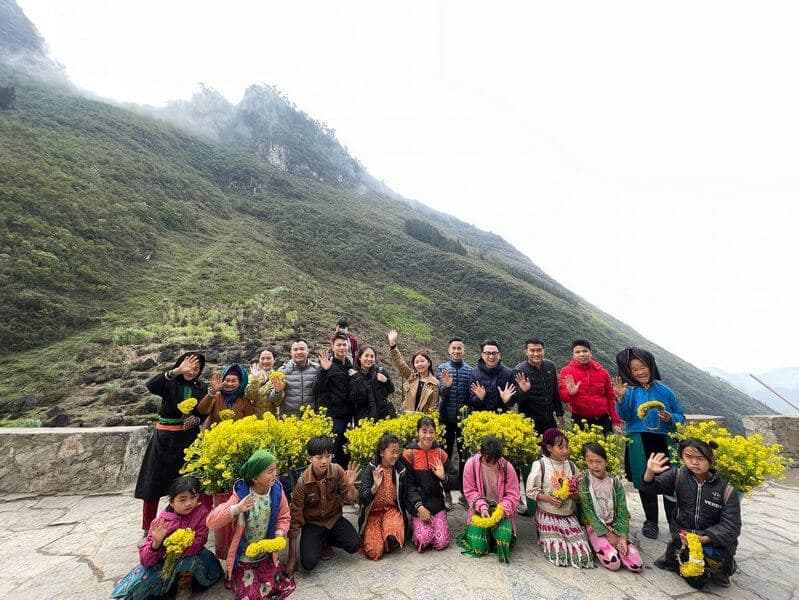
When travelers think of Ha Giang, they often picture dramatic mountain passes and winding cliffside roads. Yet the true heartbeat of this northern province beats inside its vibrant markets, such as Ha Giang, where culture, tradition, and community come together. These highland markets are much more than trading hubs - they preserve generations of customs that define life on the stone plateau. This guide by Mikey Ha Giang highlights the most unforgettable markets and the unique local products you won’t find anywhere else.
Tips for Visiting the Traditional Market in Ha Giang
To make the most of your visit, a few simple strategies can dramatically enhance your experience. These practical insights help you enjoy the lively atmosphere without missing the region’s most meaningful moments.
Start by checking the market schedule. Each market operates on a different day; some open every Sunday, while others follow a unique “rotating schedule,” shifting one day back each week. Knowing when each market takes place helps you plan your Ha Giang Loop efficiently.
Arrive early for the most authentic experience. At dawn, villagers in bright traditional garments descend from remote hamlets, bringing with them fresh produce, livestock, and handmade goods. This is the moment when the markets feel alive and untouched.
A few additional tips:
- Bring cash, as card payments are almost nonexistent.
- Show cultural respect by always asking permission before photographing people.
- Bargaining is normal, but keep it friendly and respectful.
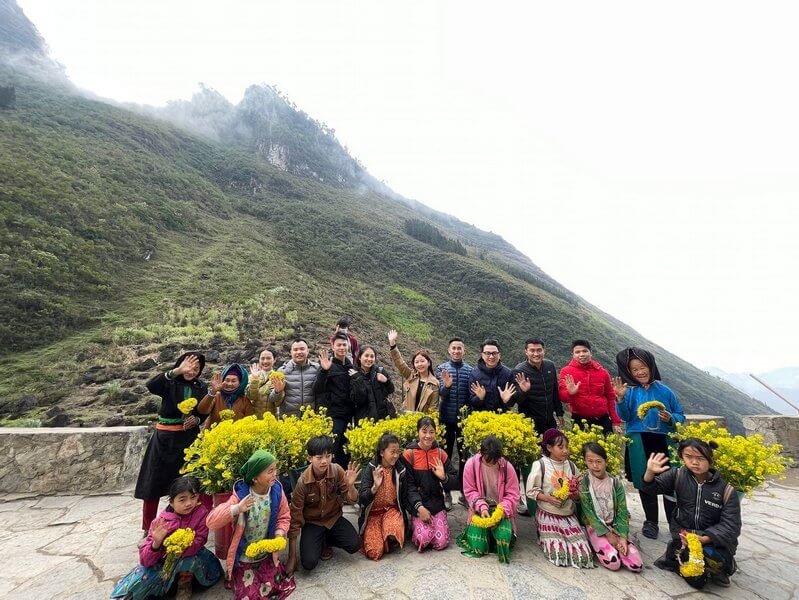
Visiting the Traditional Market in Ha Giang
Discover Top 10 Traditional Market Mus-Visit in Ha Giang
Ha Giang is home to dozens of highland markets, each shaped by the land, the people, and centuries of tradition. Many of these markets have existed for generations, serving not only as economic hubs but also as cultural gatherings where communities strengthen their bonds. These are the top markets that every traveler should experience at least once.
Meo Vac Market
Meo Vac Market is often considered the cultural soul of the eastern stone plateau. Formed hundreds of years ago as a trade stop for Hmong, Dao, Lo Lo, and Tay communities, the market has grown into one of the most vibrant gathering points in the region.
- Schedule: Sunday mornings
- History & Cultural: For generations, highland families have trekked from distant mountain slopes at dawn to reach Meo Vac. The market acted as a hub for bartering livestock, handmade tools, grains, herbs, and dyed hemp clothing. Over time, it became a place where young men and women met, families exchanged news, and ethnic groups strengthened social ties.
- Unique Features: The livestock section is the market’s pride. You’ll see lively negotiations over buffalo and buffalo, animals that represent family wealth and farming strength. The energy here is raw, authentic, and emotional.
- What to Buy: Traditional brocade textiles, handmade knives, herbal medicines, or a steaming bowl of thắng cố enjoyed with a glass of corn wine.
A visit to Meo Vac Market offers not just sights but also a deep emotional connection to the people of the plateau.
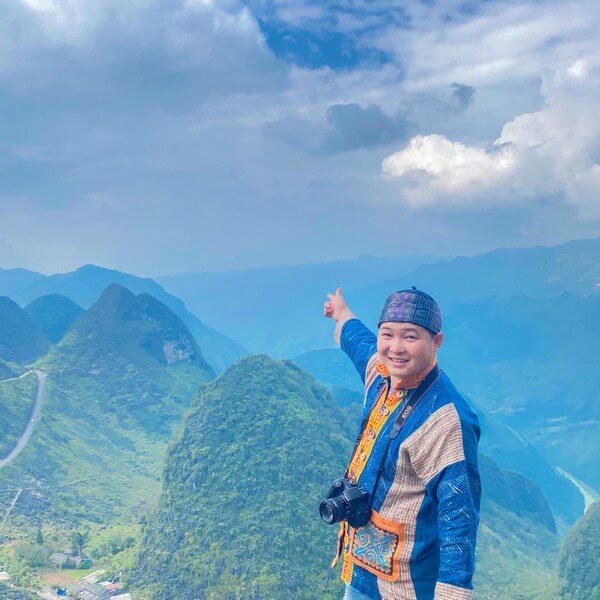
Meo Vac Market
Dong Van Market
Located inside the iconic Dong Van Old Quarter, this market has been a trading center since the French colonial era.
- Schedule: Sunday mornings
- History & Cultural Value: Dong Van was once an essential stop on the ancient trade route linking Vietnam and China. Merchants brought tea, salt, livestock, cloth, and metals through the valley. Generations later, it remains an essential exchange hub for 17 local ethnic groups.
- Unique Features: Surrounded by yellow earthen houses and mossy tiled roofs, the market feels like a living museum. You’ll encounter artisans selling handwoven fabrics, herbal doctors offering mountain remedies, and elderly women in vibrant skirts bargaining joyfully.
- What to Buy: Mint honey from the Rocky Mountains, Shan Tuyet tea, local spices, and handmade jewelry.
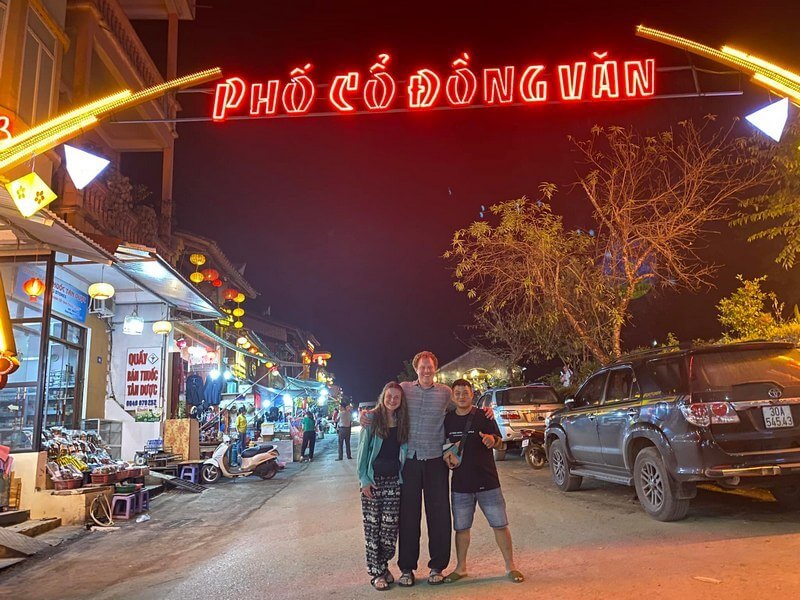
Dong Van Old Quarter
Dong Van Market captures the essence of life on the karst plateau - ancient, colorful, and resilient.
Sa Phin Market
Sa Phin Market follows a special “rotating calendar,” shifting one day earlier each week, making it unique among markets in Ha Giang.
- Schedule: Rotating (on Snake and Pig days as the Lunar calendar)
- History & Cultural Value: Located near the Hmong King’s Palace, this market has served surrounding villages for centuries. Its rotating schedule originates from ancient agricultural practices when people planned trading days based on lunar cycles and farming rhythms.
- Unique Features: Smaller and more intimate than the major markets, Sa Phin attracts villagers who bring self-grown produce, medicinal herbs, fresh corn, smoked pork, and handmade tools. Everything sold here reflects authentic rural life, untouched by commercialization.
- What to Buy: Dried herbs, local vegetables, spices, handmade farming tools, and small brocade items.
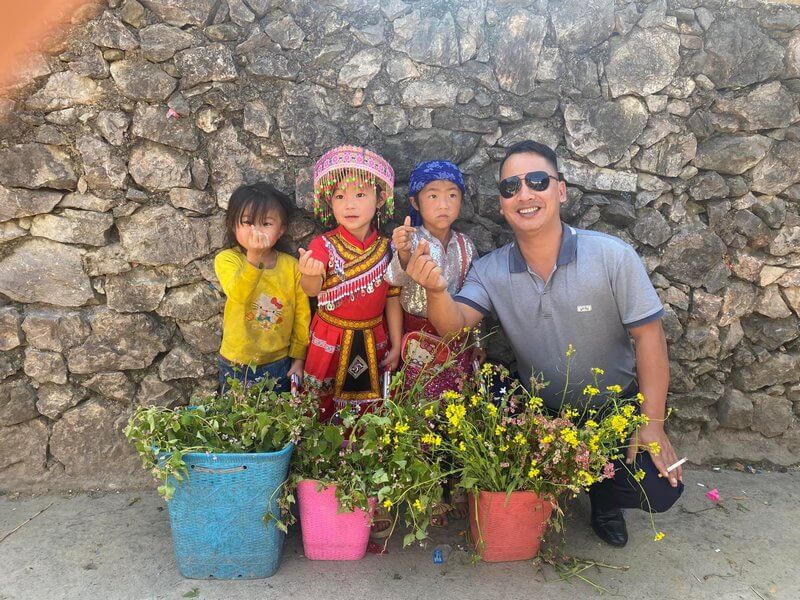
Sa Phin Market
Sa Phin Market is perfect for travelers seeking an unfiltered look at daily life in the highlands.
Khau Vai Love Market
Unlike any other market, Khau Vai Love Market is dedicated to love, longing, and human emotion.
- Schedule: Once a year on the 27th day of the 3rd lunar month
- History & Cultural Value: The market traces back over a century to a tragic love story between a Hmong man and a Giay woman whose families forbade their marriage. They agreed to meet once a year at Khau Vai, a tradition the community eventually embraced as a symbol of loyalty and compassion.
- Unique Features: The market becomes a stage for music, dance, traditional instruments, and colorful ethnic clothing. Former lovers meet to reminisce, share blessings, or simply enjoy each other’s company.
- What to Experience: Romantic folk songs, flute melodies echoing through the valley, and emotional storytelling sessions.
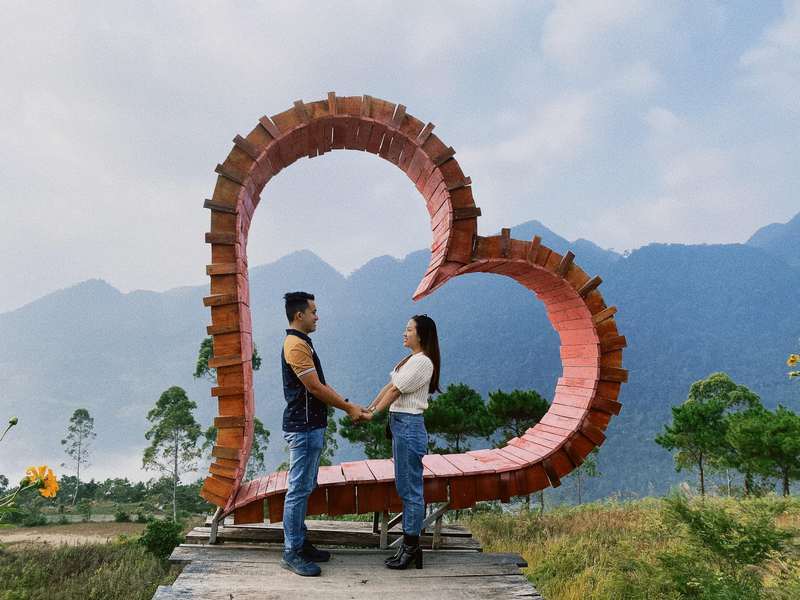
Khau Vai Love Market
Khau Vai Love Market is one of Vietnam’s most meaningful cultural events.
Hoang Su Phi Market
Surrounded by some of the most stunning rice terraces in Asia, Hoang Su Phi Market is a symbol of life in the western mountains.
- Schedule: Sunday mornings
- History & Cultural Value: The Red Dao, Nung, and Tay communities have gathered here for centuries to trade rice, bamboo baskets, dyes, herbs, and cattle. The market reflects a lifestyle entirely shaped by agriculture and terraced farming.
- Unique Features: Women in ornate red headscarves sell handmade embroidery, while elderly men sip artisanal rice wine and discuss harvest seasons.
- What to Buy: Highland sticky rice, smoked pork, medicinal herbs, and artisan Dao embroidery.
This market is ideal for travelers combining trekking with cultural exploration.
Quan Ba Central Market
Known locally as Quyet Tien Market, it is located at the entrance of the karst plateau near the famous Heaven Gate.
- Schedule: Sunday mornings
- History & Cultural Value: This market has long acted as a crossroads for mountain villages, especially after the “Happiness Road” was built in the 1960s.
- Unique Features: Renowned for its handmade linen fabrics, herbal remedies, and silver jewelry crafted using ancient Mông techniques.
- What to Buy: Handwoven linen, medicinal roots, dried mushrooms, and fresh produce.
Quan Ba Market reflects the mix of traditional craftsmanship and modern livelihood.
Du Gia Market
Du Gia is known for its peaceful landscapes and warm hospitality, and its market feels equally gentle.
- Schedule: Saturday mornings
- History & Cultural Value: This market primarily serves local Tay and Hmong households. Its small size preserves a sense of intimacy rarely found in busier towns.
- Unique Features: People gather not only to buy goods but to socialize, share news, and exchange farming knowledge.
- What to Buy: Fresh vegetables, handmade bamboo baskets, mountain honey, and small brocade items.
A visit to Du Gia Market complements trekking routes in the valley.
Yen Minh Market
Yen Minh lies along the route to Dong Van, surrounded by pine forests that resemble a northern version of Da Lat.
- Schedule: Sunday mornings
- History & Cultural Value: Historically, Yen Minh was an important mid-point where traders rested before crossing the rocky passes. The market developed as a dining and supply hub.
- Unique Features: Food stalls here are especially beloved. Local dishes like Pho Trang Kim, bánh cuốn, or traditional soups highlight the culinary depth of the region.
- What to Buy: Dry noodles, spices, fresh fruits, and handmade crafts.
This market is perfect for food lovers exploring the Ha Giang Loop.
Trang Kim Market
Though modest in size, Trang Kim Market bursts with life on market days.
- Schedule: Rat and Horse days (lunar calendar)
- History & Cultural Value: It originated as a roadside gathering point for farmers living along the main highway. Over time, it became an essential stop for travelers and villagers alike.
- Unique Features: Seasonal produce dominates - peaches, plums, pears, and root vegetables picked early in the morning.
- What to Buy: Fresh fruits, local vegetables, and homemade pickles.
Trang Kim offers a charming farm-to-market experience.
Pho Cao Market
Pho Cao is famous for its photogenic earthen houses and warm community atmosphere.
- Schedule: Rotating (Dragon and Dog days in the Lunar calendar)
- History & Cultural Value: The market has existed for generations as a trade point between the Hmong and Han communities.
- Unique Features: Women wear brightly embroidered outfits, children play around yellow mud houses, and elders gather to exchange homemade tobacco and livestock prices.
- What to Buy: Brocade accessories, snacks, fruits, and mountain herbs.
Visiting Pho Cao Market feels like stepping into the past.
Conclusion
The traditional markets in Ha Giang are vibrant cultural treasures where ancient customs, human connection, and mountain life come alive. Whether you’re wandering through the lively crowds of Meo Vac, witnessing emotional reunions at Khau Vai Love Market, or tasting handmade delicacies in Du Gia, every moment reveals a deeper layer of the plateau’s identity.
Mikey Ha Giang hopes this expanded guide helps you explore each market with greater appreciation and curiosity. These are not just markets - they are living stories waiting to be discovered.