

The Ha Giang Loop is a dream destination for travelers who love adventure, famous for its dramatic hairpin turns and breathtaking mountain scenery. But how does that picture change when dark clouds gather and heavy rain begins to fall? The big question many travelers ask is: is the ha giang loop safe in the rain? This is not simply a casual concern - it is a crucial factor that can determine the safety and overall experience of your journey. In this guide, Mikey Ha Giang will explore every aspect of traveling the loop in wet conditions, analyze the risks, and provide honest advice so you can make the best decision for yourself.
The short answer is: it is possible, but extremely risky and generally not recommended, especially for beginners. The decision depends greatly on your riding experience, your ability to handle unexpected situations, and how well prepared you are for difficult conditions.
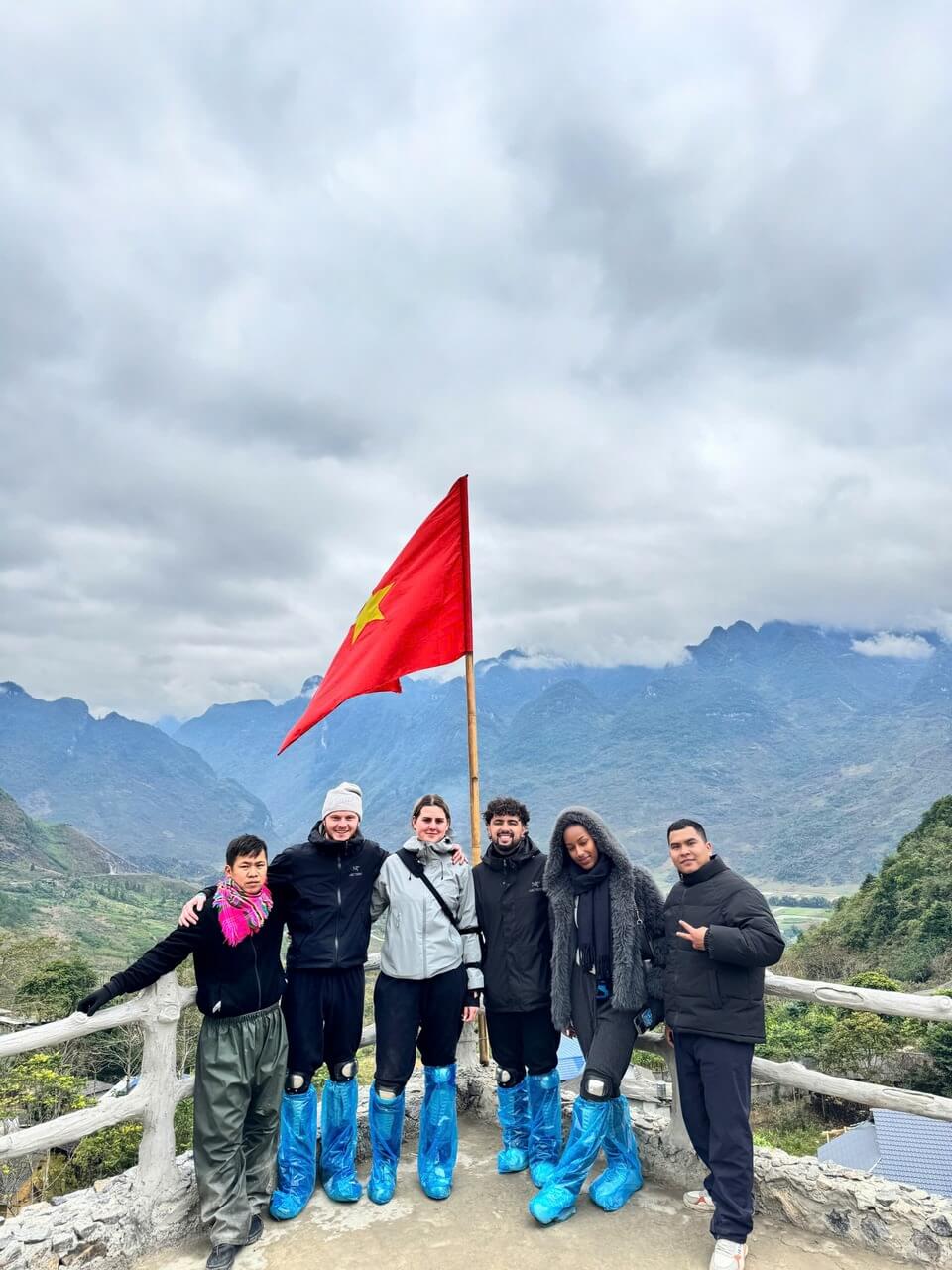
If you are an experienced rider who has previously handled motorcycles on slippery roads, you may consider attempting the loop in rainy conditions. Even then, you must ride with extreme caution, significantly reduce your speed, and wear full protective gear.
However, for those who are new to manual motorbikes or lack experience riding on steep mountain roads, Mikey Ha Giang strongly advises against riding the loop during the rainy season. Ha Giang is not a place to gain your first riding experience in harsh weather conditions.
To evaluate the risks properly, you need to understand the weather patterns of this region. The rainy season in Ha Giang is not just a few scattered showers.
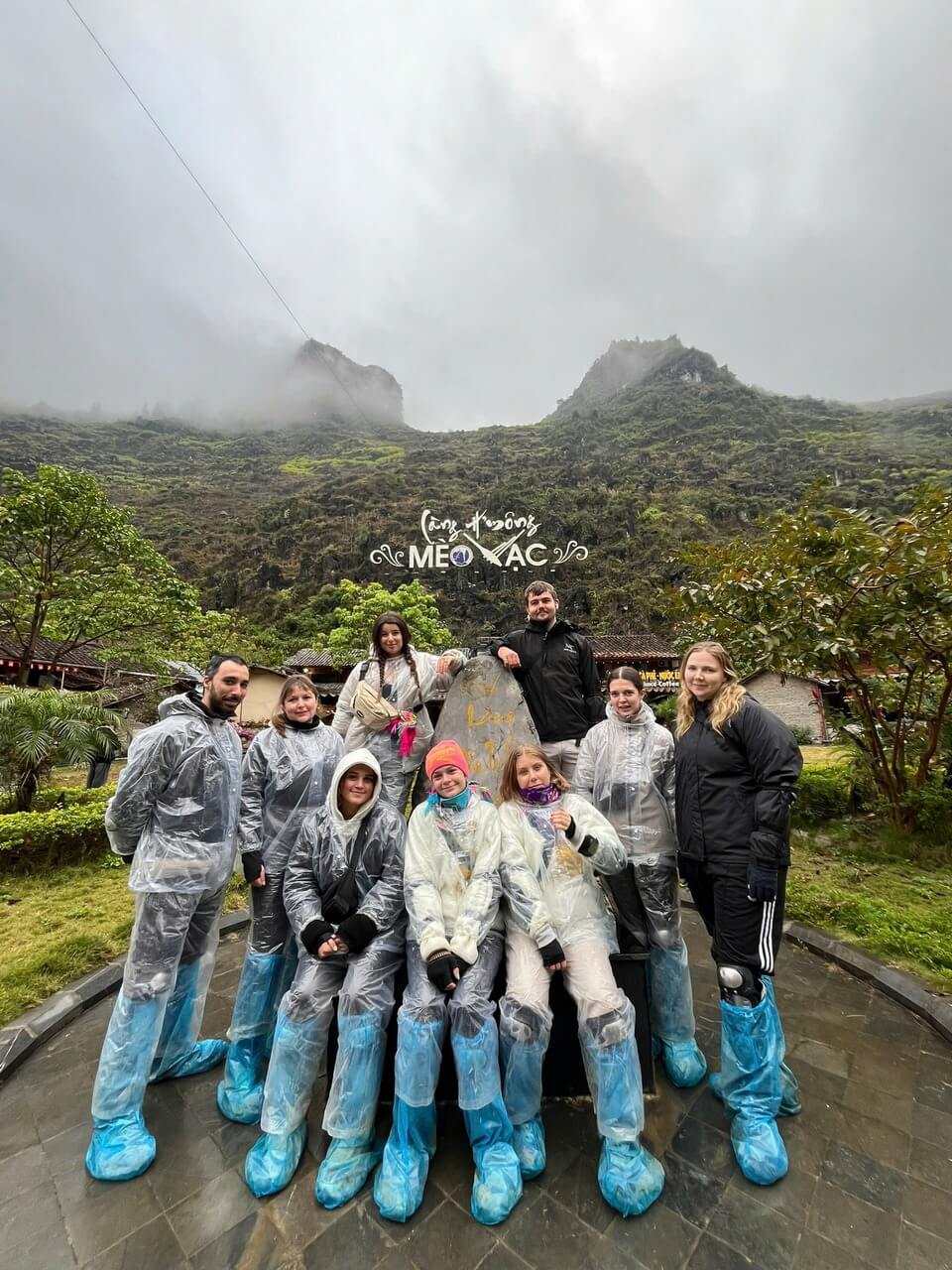
The Ha Giang Loop rainy season typically lasts from June to September. During this period, the region receives the highest amount of rainfall throughout the year, often accompanied by high humidity and hot weather. July and August are usually the peak months of the monsoon season.
It is important to distinguish between two types of rain that occur in Ha Giang.
Occasional showers can happen even during the dry season. These short rain bursts usually last 30 minutes to one hour and then stop. While inconvenient, they are not extremely dangerous if you can find a safe place to wait.
However, the true rainy season brings monsoon weather. These rains can pour continuously for hours or even an entire day. Heavy rainfall saturates the soil on mountain slopes and creates serious hazards that we will discuss below.
If you decide to travel the Ha Giang Loop in the rain, you must clearly understand the potential dangers. These are not exaggerated warnings; they are real risks many riders have experienced.
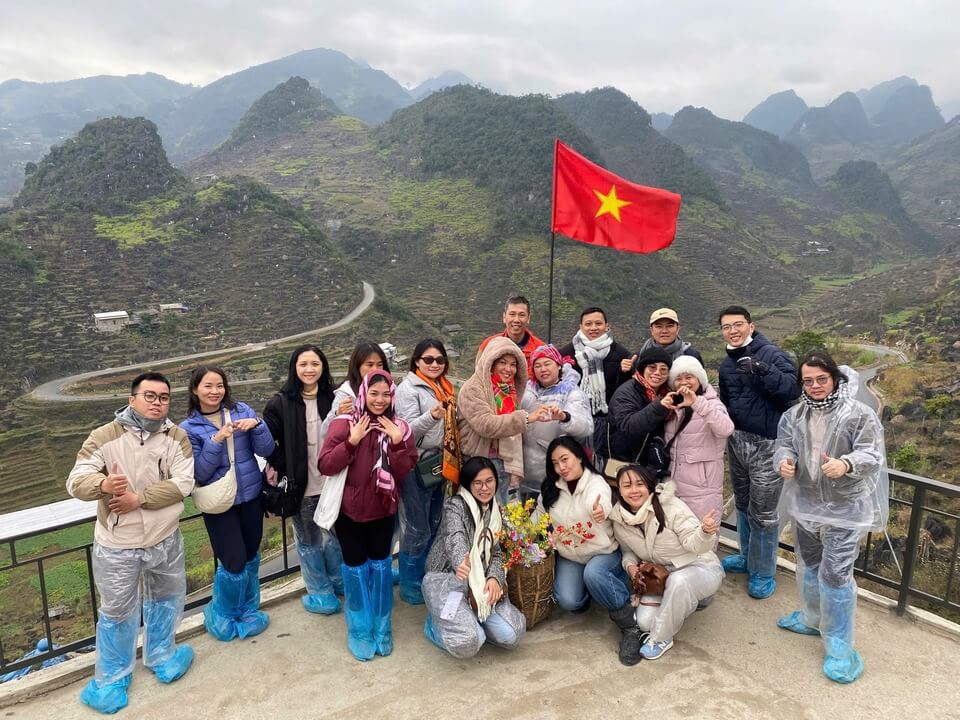
This is the most obvious danger. Rainwater mixed with dust and dirt creates a slick surface that dramatically reduces tire traction. Some sections of the road that are not fully paved may turn into muddy tracks, making it extremely easy for the bike to slide, even at low speeds.
During prolonged rainfall, soil on mountain slopes becomes saturated and unstable. This condition can cause landslides and falling rocks. Even small rocks can be dangerous when falling from cliffs, while larger landslides may completely block the road for hours or even days.
Heavy rain significantly reduces visibility. On high mountain passes such as Ma Pi Leng Pass or Quan Ba Heaven Gate, thick fog can suddenly appear and limit visibility to only a few meters. Riding under these conditions, on winding roads with cliffs on one side and deep valleys on the other, can become extremely dangerous.
Many sections of the Ha Giang Loop cross small streams or shallow water crossings. During the dry season, these are usually easy to pass. However, after heavy rainfall, they can transform into powerful currents within minutes. Attempting to cross rushing water is extremely dangerous and has caused serious accidents in the past.
When all these factors combine, the result is clear: Ha Giang Loop accident rates increase significantly during the rainy season. Incidents can range from minor slips to serious collisions, and the overall risk level is far higher than during dry weather.
For beginners, this question becomes even more important. Riding experience often determines whether a challenging trip becomes manageable or reckless.
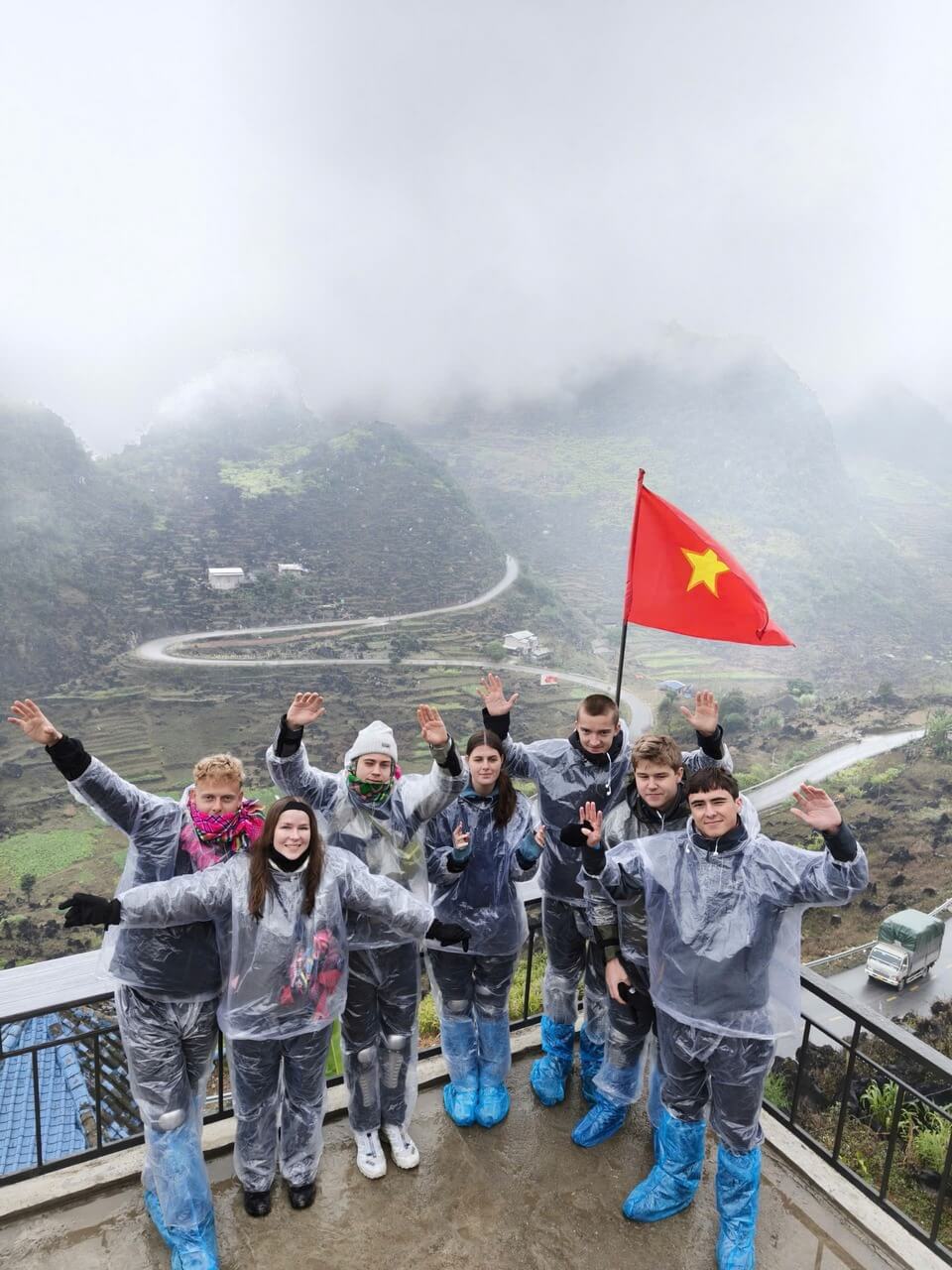
Mikey Ha Giang strongly advises travelers who fall into the Ha Giang Loop for beginners category not to ride during the rainy season. The reasons are simple.
Lack of technical skills: Beginners may not have the reflexes needed to recover from wheel slips, sudden braking on wet surfaces, or maintaining balance when riding through mud.
Mental pressure: Riding in harsh weather requires strong concentration and emotional control. Anxiety or fear can easily lead to poor decisions on the road.
Unnecessary risk: Ha Giang is a destination meant to be enjoyed, not a place to gamble with your safety. You can always return during a better season.
It is difficult to identify one single section as the hardest, because rain makes every part of the road more challenging. However, steep slopes and sharp curves such as Tham Ma Pass, Chin Khoanh Pass, and especially the road from Dong Van to Meo Vac through Ma Pi Leng Pass become particularly dangerous.
Mud, loose gravel washed onto the road by rainwater, and thick fog make these already difficult sections even more unpredictable.
If you still decide to ride despite the risks, proper preparation becomes essential. Never try to save money on safety equipment.
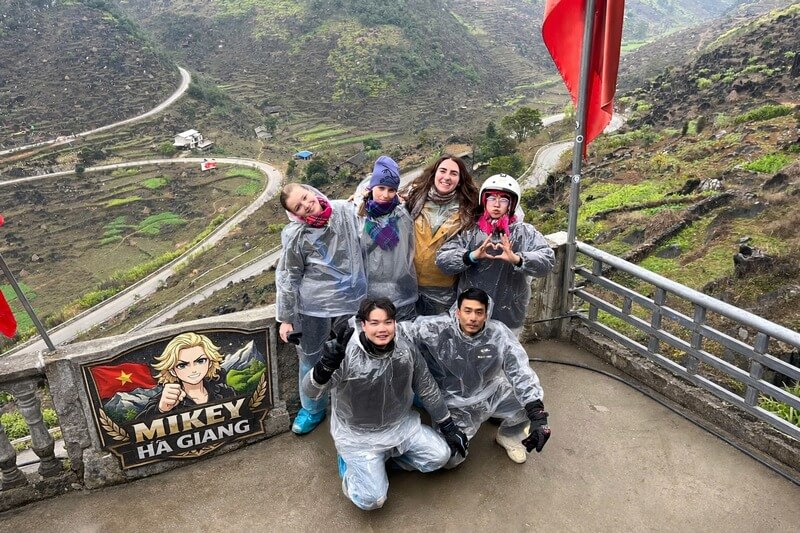
Forget about traditional ponchos. They are loose, easily blown by wind, and can become dangerous if caught in the motorcycle wheels.
Instead, invest in a high-quality full rain suit consisting of a waterproof jacket and pants. Waterproof boots or shoe covers are also essential to keep your feet dry and maintain proper control of the bike.
Make sure your backpack has a rain cover. For additional protection, place clothing and electronics inside separate plastic bags or dry bags. Phones, cameras, and power banks should be stored in waterproof zip bags designed for outdoor travel.
Before riding each day, take time to inspect your motorbike, especially two critical components when riding in the rain.
Brakes: Ensure both front and rear brakes respond properly. Wet roads increase braking distance, so fully functioning brakes are essential.
Tires: Check the tire tread carefully. Worn tires lose their ability to channel water and grip the road, making them extremely dangerous in rainy conditions. Tires should also be properly inflated.
If you still want to experience Ha Giang during the rainy season without facing the risks yourself, there is a safer solution: hiring an Easy Rider.
A Ha Giang Loop easy rider is a local driver who has ridden these roads hundreds or even thousands of times. Their advantages include:
Extensive experience: They know every curve, every difficult section of road, and how to control a motorbike in challenging weather.
Safety first:You can sit comfortably as a passenger and enjoy the scenery while they handle the riding.
Local knowledge: They know where landslides are likely, which streams are dangerous after rain, and how to adjust the itinerary according to real-time weather conditions.
When choosing an easy rider service, do careful research. Look for companies with strong reviews, proper safety gear for passengers, well-maintained motorcycles, and clear travel itineraries
Mikey Ha Giang has gathered several common questions to help you plan your journey more effectively.
The safest and most beautiful time to ride the Ha Giang Loop is during the dry season from October to April.
October – November: Buckwheat flowers bloom across the mountains.
March – April: Spring weather is dry, mild, and ideal for riding.
There are no official statistics regarding accidents. However, the question “is Ha Giang Loop dangerous” is very real. Accidents do occur, especially among inexperienced riders or those who underestimate the road conditions. The frequency increases noticeably during the rainy season.
Absolutely not recommended. Even under perfect weather conditions, a 2-day itinerary is already rushed. During the rainy season, you must ride slower and may face delays caused by landslides or poor road conditions. Attempting to rush the journey in these circumstances places you in a very dangerous situation.
So, is the Ha Giang Loop safe in the rain? The answer depends largely on preparation, riding experience, and the conditions on the day of your trip. Rain can make mountain roads more slippery and reduce visibility, especially on steep passes and tight curves. However, with proper planning, good protective gear, and cautious riding, many travelers still enjoy an incredible journey through Ha Giang even during wet weather.
If you want to explore the Ha Giang Loop safely without worrying about difficult road conditions, joining a guided tour with Mikey Ha Giang can make a big difference. Our experienced local easy riders understand the terrain, weather patterns, and safest routes in rainy conditions. Instead of focusing on navigating slippery roads, you can relax, enjoy the dramatic landscapes, and experience the mountains of northern Vietnam with confidence and peace of mind.
Understanding the Rainy Season in Ha Giang