
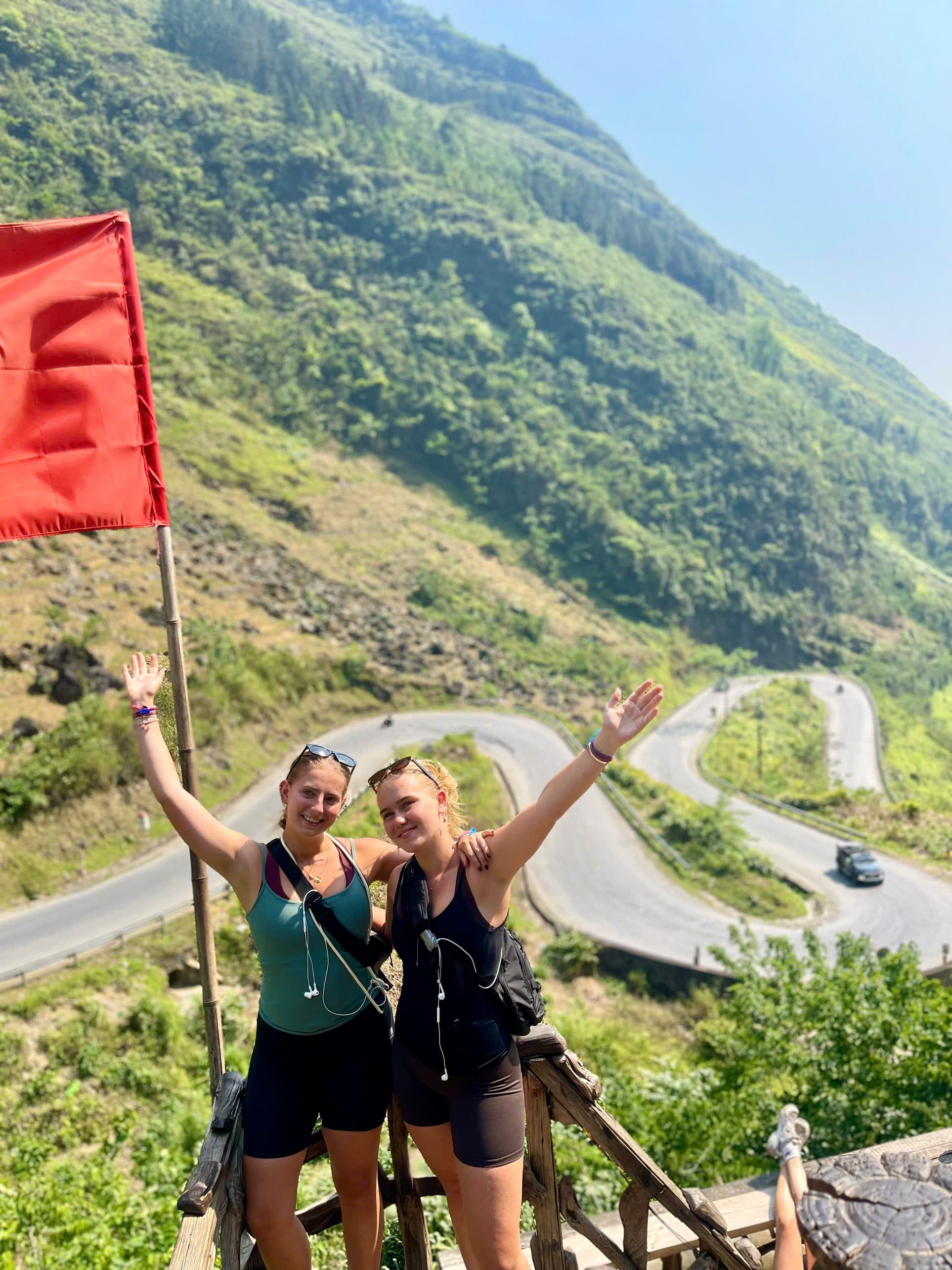
The breathtaking photos of the Ha Giang Loop have probably inspired you to start planning what could be the adventure of a lifetime. But behind those spectacular mountain views lies an important question: how difficult is the Ha Giang Loop? At Mikey Ha Giang, we're here to give you an honest, no-nonsense answer. In this comprehensive guide, we'll break down every aspect of the journey, helping you decide the safest and most enjoyable way to experience one of Vietnam's most iconic road trips.
The short answer is: the Ha Giang Loop is challenging and comes with real risks, especially if you plan to ride it yourself without sufficient experience.
This is not a casual motorbike ride through the countryside. The loop demands concentration, confidence, strong riding skills, and the ability to stay calm under changing road and weather conditions. However, the difficulty level changes dramatically depending on how you choose to experience it.
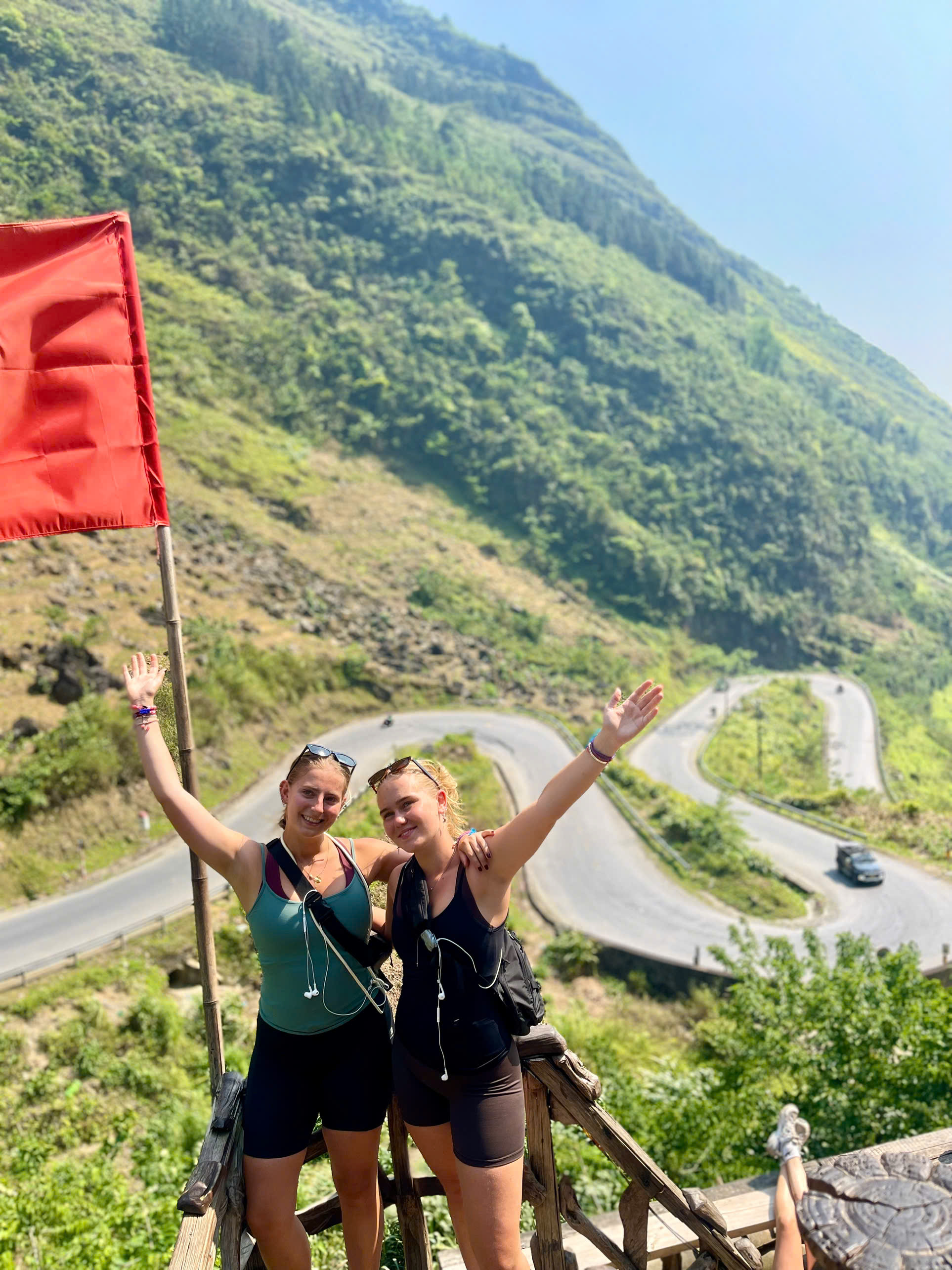
How Difficult is the Ha Giang Loop?
To make things easier, here's a quick breakdown from the team at Mikey Ha Giang:
This option is suitable for riders who already have extensive experience riding manual motorbikes on mountain roads. You should feel comfortable handling steep climbs, long descents, tight hairpin bends, and unexpected situations that can occur along the way.
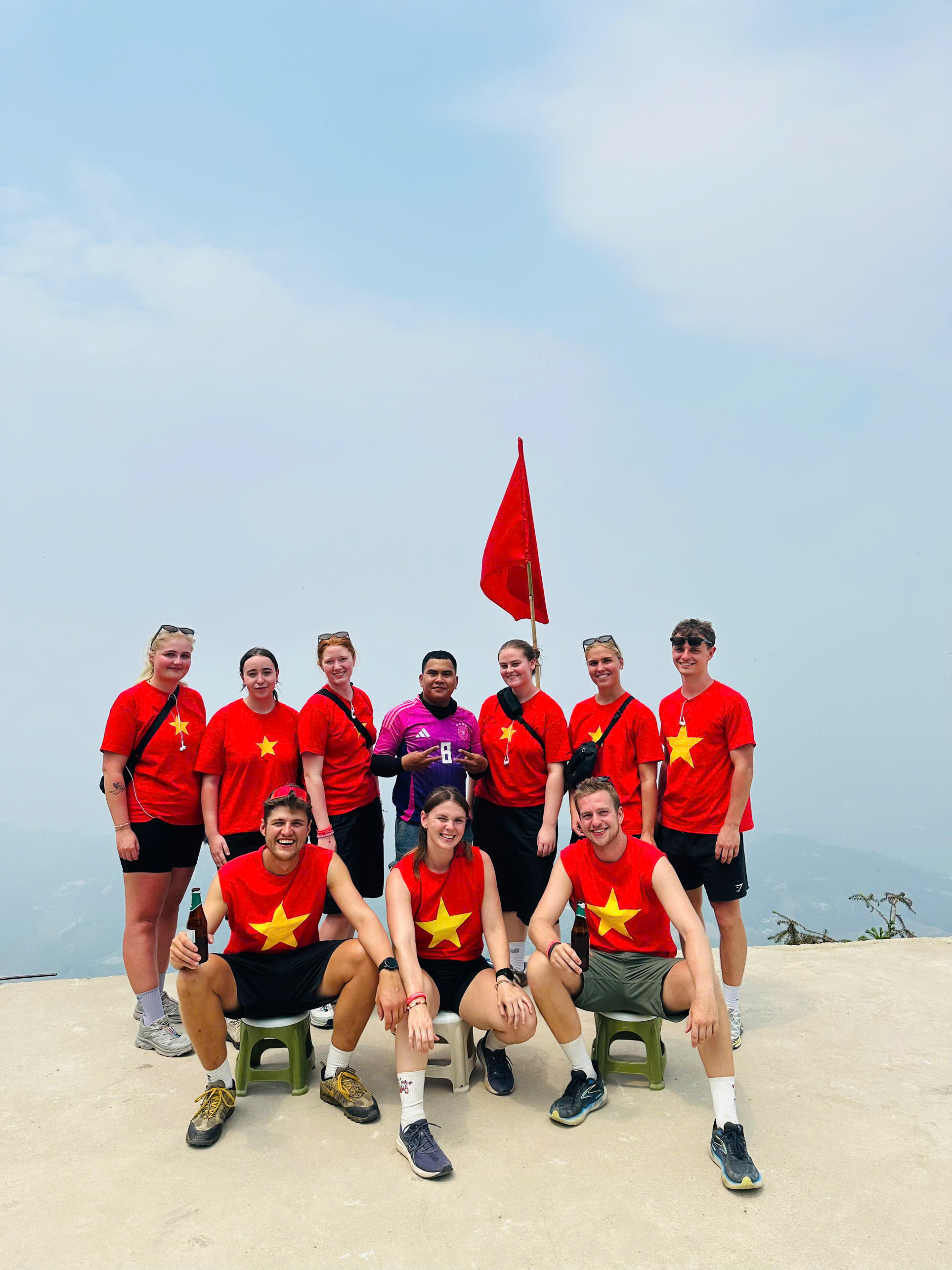
A Quick Difficulty Rating: Who Should (and Shouldn't) Attempt It
With an Easy Rider, your role is simple: sit back, enjoy the scenery, and let an experienced local rider handle the road. It is by far the safest, most comfortable, and most relaxing way to experience the loop.
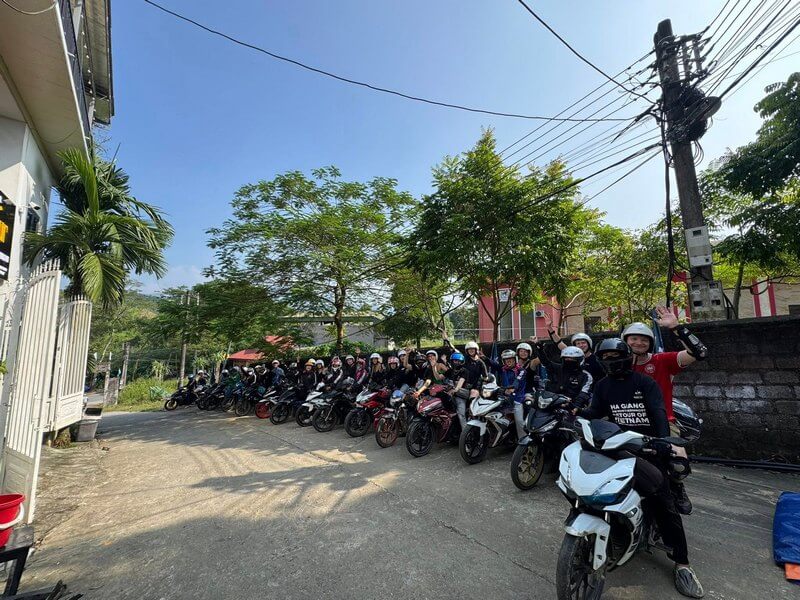
Easy Rider Tour (Local Driver) with Mikey Ha Giang
To be completely honest: No.
If you are new to motorbikes - especially manual transmission motorcycles - the Ha Giang Loop is not the place to learn.
The route includes mountain passes, steep drop-offs, sharp bends, unpredictable weather, and long hours of riding. Even riders with experience in cities or on flat roads often underestimate how demanding mountain riding can be.
The Ha Giang Loop for beginners is only truly safe and enjoyable when you travel with an Easy Rider. These local riders know every corner, every pass, and every hidden hazard. Their experience allows you to enjoy the journey without putting yourself at unnecessary risk.
So what exactly makes the Ha Giang Loop so difficult? Let's take a closer look at the three main challenges you'll face on the road.
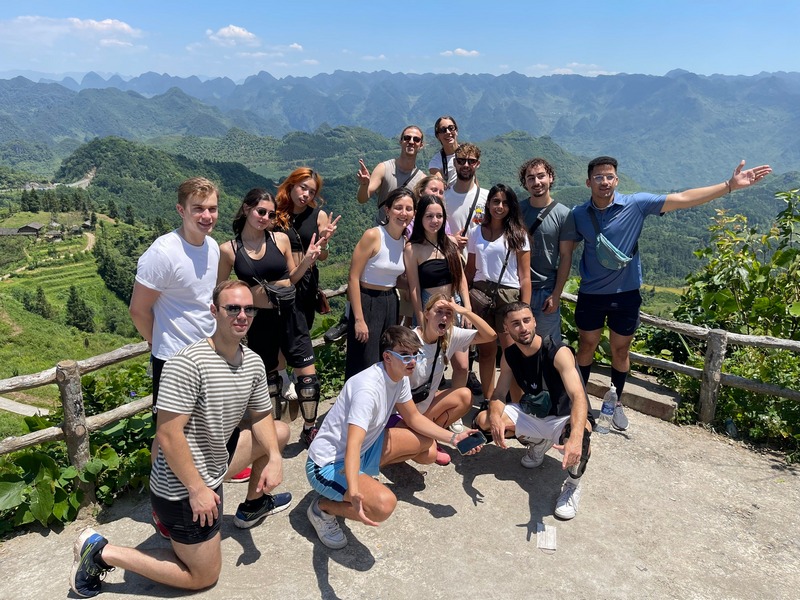
Deconstructing the Difficulty: 3 Key Factors to Consider
When people picture the Ha Giang Loop, they often imagine empty mountain roads winding through breathtaking scenery. While that image is accurate, it doesn't tell the whole story. The reality is that the roads themselves are one of the biggest reasons why many travelers find the loop difficult.
Throughout the journey, you'll spend hours riding over steep mountain passes, navigating sharp hairpin bends, and sharing narrow roads with trucks, buses, and local traffic. Some sections are beautifully paved and easy to ride, while others can be rough, uneven, or affected by roadworks and landslides after heavy rain. In certain places, one side of the road is a sheer rock wall while the other drops into a deep valley hundreds of meters below.
A few of the challenges riders commonly encounter include:
Long and steep uphill or downhill sections
Tight mountain switchbacks with limited visibility
Occasional gravel, potholes, or damaged road surfaces
Narrow roads shared with larger vehicles
The roads are undoubtedly spectacular, but they demand constant attention and respect. This is what makes the Ha Giang Loop road conditions both exciting and challenging at the same time..
One of the biggest misconceptions about the Ha Giang Loop is that anyone can simply rent a motorbike and learn along the way. In reality, this route rewards experience and quickly exposes weaknesses in a rider's skill set.
If you're planning to ride independently, you should already feel comfortable operating a manual motorbike, managing gears on steep climbs, and using engine braking during long descents. Mountain roads leave very little room for hesitation, especially when approaching sharp bends or unexpected obstacles.
Experienced riders are usually comfortable because they have already developed skills such as:
Controlling speed on steep downhill sections
Riding confidently on uneven or slippery surfaces
Reacting quickly to unexpected situations
Maintaining focus during long hours in the saddle
The loop becomes significantly more difficult when these skills are missing. What may seem like a simple corner on the map can feel very different when you're approaching it on a narrow mountain road with limited visibility.
Even if you're confident in your riding abilities, there are still factors that can make the Ha Giang Loop unpredictable. Unlike city roads, mountain environments change constantly, and conditions can shift within a matter of minutes.
Weather is perhaps the biggest variable. A sunny morning can quickly turn into dense fog or a sudden rain shower, especially in higher areas such as Dong Van and Meo Vac. Reduced visibility and slippery roads naturally increase the level of difficulty.
At the same time, riders must stay aware of other surprises that are common throughout the region:
Buses and trucks appearing around blind corners
Sudden fog reducing visibility
Rain making road surfaces slippery
Buffaloes, cows, goats, and dogs wandering onto the road
These situations are completely normal in Ha Giang, which is why experienced riders always leave plenty of room for unexpected events. Staying alert and riding conservatively is often more important than riding fast.
After understanding the challenges of the Ha Giang Loop, you'll eventually face the most important decision of your trip: should you ride yourself or travel with an Easy Rider?
There isn't a universal answer because every traveler has different goals, riding experience, and comfort levels. Some visitors dream of conquering the mountains on their own motorbike, while others simply want to enjoy the scenery without worrying about the road ahead.
The choice you make will have a major impact on both your experience and your safety throughout the journey.
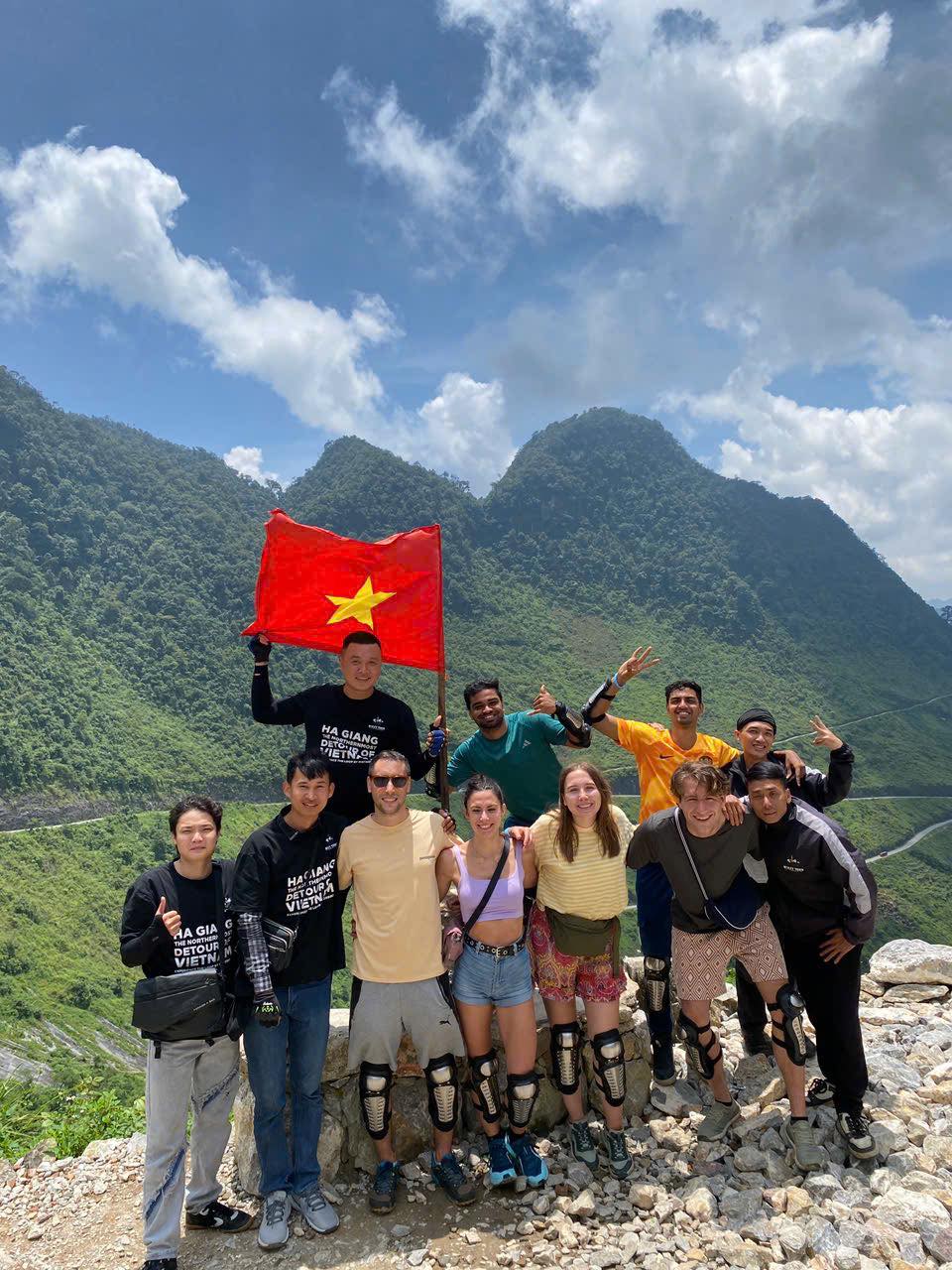
The Big Decision: Self-Driving vs. an Easy Rider Tour
There is no denying that a self-driving Ha Giang Loop offers a unique sense of freedom. Being in complete control of your journey means you can stop whenever a stunning view appears, spend extra time in a village you love, or take a detour to explore somewhere unexpected.
For experienced riders, this independence is often part of the appeal. The feeling of navigating mountain passes under your own control can be incredibly rewarding and creates a genuine sense of accomplishment at the end of the trip.
However, that freedom comes with significant responsibility. Throughout the loop, you'll need to focus on navigation, road conditions, weather changes, fuel stops, accommodation planning, and the condition of your motorbike. Unlike a relaxed sightseeing tour, self-driving requires your attention for many hours each day.
Some of the main advantages include:
Complete flexibility and independence
The freedom to create your own schedule
Lower overall costs in some cases
A stronger sense of adventure and achievement
At the same time, there are important challenges to consider:
Long hours of intense concentration
Greater physical and mental fatigue
Responsibility for repairs and navigation
A significantly higher risk of accidents
For this reason, self-driving is best suited to riders who already have strong experience with manual motorbikes and mountain roads.
For the majority of travelers, especially first-time visitors to Ha Giang, an Easy Rider tour offers the perfect balance between adventure and comfort.
An Easy Rider is much more than a driver. These local riders have spent years navigating the mountains and know the region intimately. They understand road conditions, weather patterns, local customs, hidden viewpoints, and the safest routes through the loop.
Instead of focusing on the road, you can focus entirely on the experience. You are free to admire the landscapes, take photographs, interact with local communities, and enjoy the journey without constantly thinking about what lies around the next corner.
Many travelers are surprised by how much more they notice when they are not the one driving. Rather than concentrating on braking, shifting gears, and avoiding potholes, they can fully absorb the dramatic scenery that makes the Ha Giang Loop so famous.
The benefits of hiring an Easy Rider include:
A much safer overall experience
No stress about navigation or road conditions
More opportunities for photography
Local cultural insights and stories
Help in case of mechanical problems or unexpected situations
While this option costs more than renting a motorbike independently, many travelers feel the added safety and local knowledge are well worth the investment.
Technically, yes.
Thousands of travelers complete the Ha Giang Loop every year without a guide or Easy Rider. With modern navigation apps and enough confidence, it is certainly possible to travel independently.
The real question is whether doing so will give you the best experience.
A local guide brings much more than directions. They provide context, stories, and cultural understanding that you simply won't find on Google Maps. They know where local families welcome visitors, which viewpoints are worth the detour, and which roadside restaurants serve the most authentic food.
For many travelers, these moments become the highlights of the entire journey.
If you're an experienced rider who enjoys complete independence, self-guided travel may be the right choice. However, if your goal is to experience the culture, landscapes, and hidden side of Ha Giang as deeply as possible, having a guide or Easy Rider can make a remarkable difference.
Adventure should never come at the expense of safety.
Before setting off on the Ha Giang Loop, it's important to understand both the legal requirements and the real-world risks that come with riding in Northern Vietnam's mountains. Being prepared will not only keep you safer but can also prevent expensive and stressful situations during your trip.
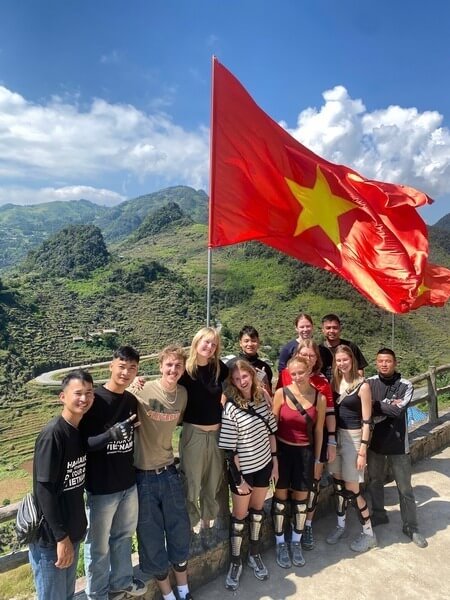
Addressing the Real Risks and Legalities
The answer is simple: yes, you do.
To legally ride a motorcycle in Vietnam, you must hold both a valid motorcycle license from your home country and an International Driving Permit (IDP) that is recognized under the 1968 Vienna Convention.
This is where many travelers run into problems. Not all International Driving Permits are accepted in Vietnam. Some countries, including the United States, Australia, and the United Kingdom, commonly issue permits under the 1949 Geneva Convention, which are generally not valid for riding legally in Vietnam.
This may seem like a minor detail, but it can have serious consequences.
If you're stopped by police, you may receive a fine. More importantly, if you're involved in an accident, many travel insurance providers may refuse to cover medical expenses or damages if you were riding without the correct documentation.
Before arriving in Ha Giang, it's worth taking the time to verify that your license and IDP meet local legal requirements.
No matter how you choose to experience the loop, safety should always remain your top priority.
The good news is that many risks can be significantly reduced by adopting a few simple habits and making smart decisions on the road.
Before setting off each day, make sure you:
Wear a quality helmet, preferably a full-face model
Choose proper riding clothes and closed-toe footwear
Check your brakes, tires, lights, and horn
Carry basic rain gear even during the dry season
Keep a safe distance from larger vehicles
Reduce your speed before entering blind corners
One of the most important pieces of advice is also the simplest: avoid riding after dark whenever possible.
Many sections of the Ha Giang Loop have limited lighting, and animals, potholes, or unexpected obstacles can be difficult to spot at night. Finishing your riding day before sunset will dramatically improve your safety and overall comfort.
Before committing to the journey, many travelers still have a few lingering questions about the Ha Giang Loop. Some compare it to other mountain destinations in Vietnam, while others want to know which season offers the safest and most enjoyable experience.
Let's address a couple of the most common questions we hear from travelers at Mikey Ha Giang.
Yes. The Ha Giang Loop is generally more challenging than Sapa. The route features longer distances, steeper mountain passes, sharper hairpin bends, and more remote roads. While Sapa is a good introduction to mountain riding, Ha Giang requires greater confidence and experience, especially for travelers planning to self-drive.
The best time to ride the Ha Giang Loop is usually from March to May and September to November. These months offer pleasant temperatures, clear skies, and better road conditions. If you want to see golden rice terraces, visit in September. For buckwheat flowers, October and November are ideal. Spring (March–May) is perfect for comfortable riding and blooming mountain landscapes.
After reading about steep mountain passes, changing weather conditions, legal requirements, and the skills needed to navigate the route, you may be wondering whether the Ha Giang Loop is really worth the effort.
For us at Mikey Ha Giang, the answer is simple: absolutely. Yes, the route can be challenging. Yes, it demands preparation and respect. But few places in Southeast Asia offer such a powerful combination of adventure, scenery, and cultural discovery.
The Ha Giang Loop is not simply a road trip - it's an experience that stays with you long after you've returned home.
The Ha Giang Loop is challenging, but the rewards are well worth it. From the breathtaking views of Ma Pi Leng Pass and the Nho Que River to the chance to experience ethnic minority cultures and remote mountain villages, every day offers something memorable.
The key is choosing a travel style that matches your experience level. For many travelers, an Easy Rider tour with Mikey Ha Giang provides the safest and most enjoyable way to explore the region while fully appreciating its landscapes, culture, and local life.
So, how difficult is the Ha Giang Loop? The answer depends largely on your riding experience, confidence, and the time of year you visit. While the route is not considered an extreme off-road adventure, it does feature steep mountain passes, sharp hairpin bends, changing weather conditions, and long hours on the road. For experienced riders, it can be an exciting and rewarding journey. For beginners, however, it may feel more challenging than expected.
The good news is that you don't have to tackle the loop alone. If you'd rather focus on the incredible scenery instead of navigating difficult mountain roads, an Easy Rider tour with Mikey Ha Giang is often the best option. You'll travel with experienced local riders who know every turn, mountain pass, and hidden viewpoint along the route, allowing you to relax and fully enjoy the experience.
Whether you're an experienced motorcyclist or a first-time visitor to Ha Giang, Mikey Ha Giang can help you choose the right travel style for your comfort level. With local expertise, carefully planned itineraries, and a strong focus on safety, we make it easier to experience the breathtaking landscapes, ethnic cultures, and unforgettable moments that make the Ha Giang Loop one of Vietnam's most iconic adventures.