
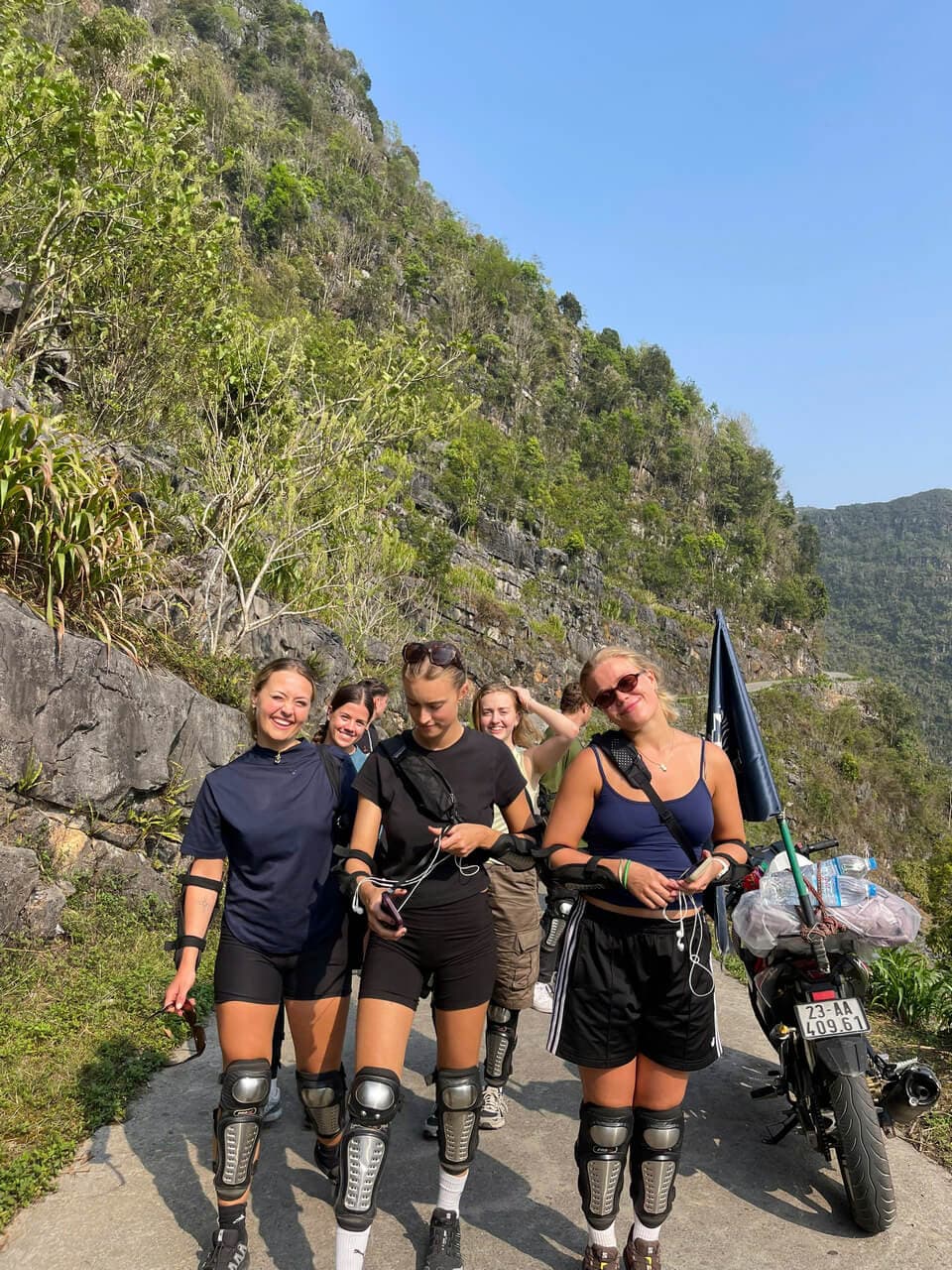
Discover Ha Giang weather by month, from spring blossoms to golden rice fields and winter landscapes. Plan your perfect trip with Mikey Ha Giang.
Planning a trip to Northern Vietnam and wondering what the Ha Giang weather by month is really like? Choosing the right time to visit can completely shape your experience on the Ha Giang Loop. From the colorful blossoms of spring and the lush green landscapes of summer to the golden rice terraces of autumn and the misty mountains of winter, each month reveals a different side of Ha Giang. In this guide, we'll break down the weather throughout the year, highlight the best seasonal experiences, and help you decide when to visit based on your travel style, photography goals, and adventure plans.
Before planning your trip, the first thing you should understand is the region’s climate. Unlike Vietnam’s lowland areas, Ha Giang weather is divided into two very distinct seasons: the dry season and the wet season. Each season brings its own unique beauty and creates completely different travel experiences.
Understanding the character of each season will help you choose the right time to visit, pack appropriately, and make the most of your journey through Northern Vietnam’s spectacular mountains.
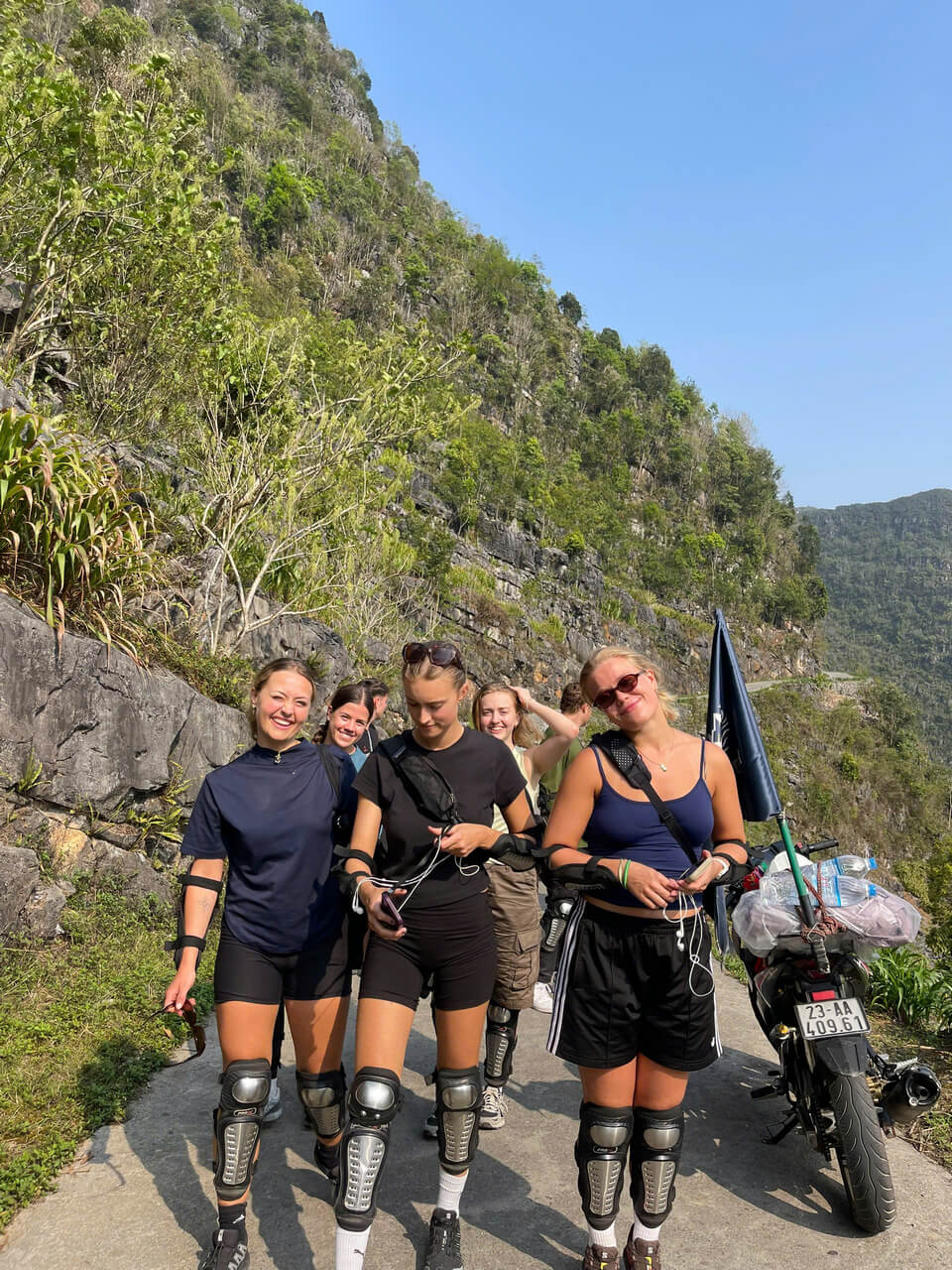
Ha Giang Weather at a Glance: Understanding the Two Main Seasons
The dry season is widely regarded as the best time to visit Ha Giang. Running from October through April, this period is characterized by low rainfall, comfortable temperatures, and generally stable weather conditions.
During these months, the skies are often clear and blue, while sunshine creates excellent visibility across the mountains. These conditions make it the ideal season for outdoor adventures, especially for riding the famous Ha Giang Loop.
Days are typically pleasant and mild, while evenings and early mornings become cooler. During the winter months (December to February), temperatures can drop significantly, particularly in higher-altitude areas such as Dong Van and Meo Vac.
The dry season is also home to some of Ha Giang’s most spectacular seasonal events.
October and November bring the famous buckwheat flower season, covering hillsides in shades of pink and purple.
January to March welcomes spring blossoms, including peach flowers, plum blossoms, and pear blossoms that brighten villages across the region.
With less rain and drier roads, traveling becomes much safer and more enjoyable. Riders can confidently navigate mountain passes while fully appreciating the region's dramatic landscapes.
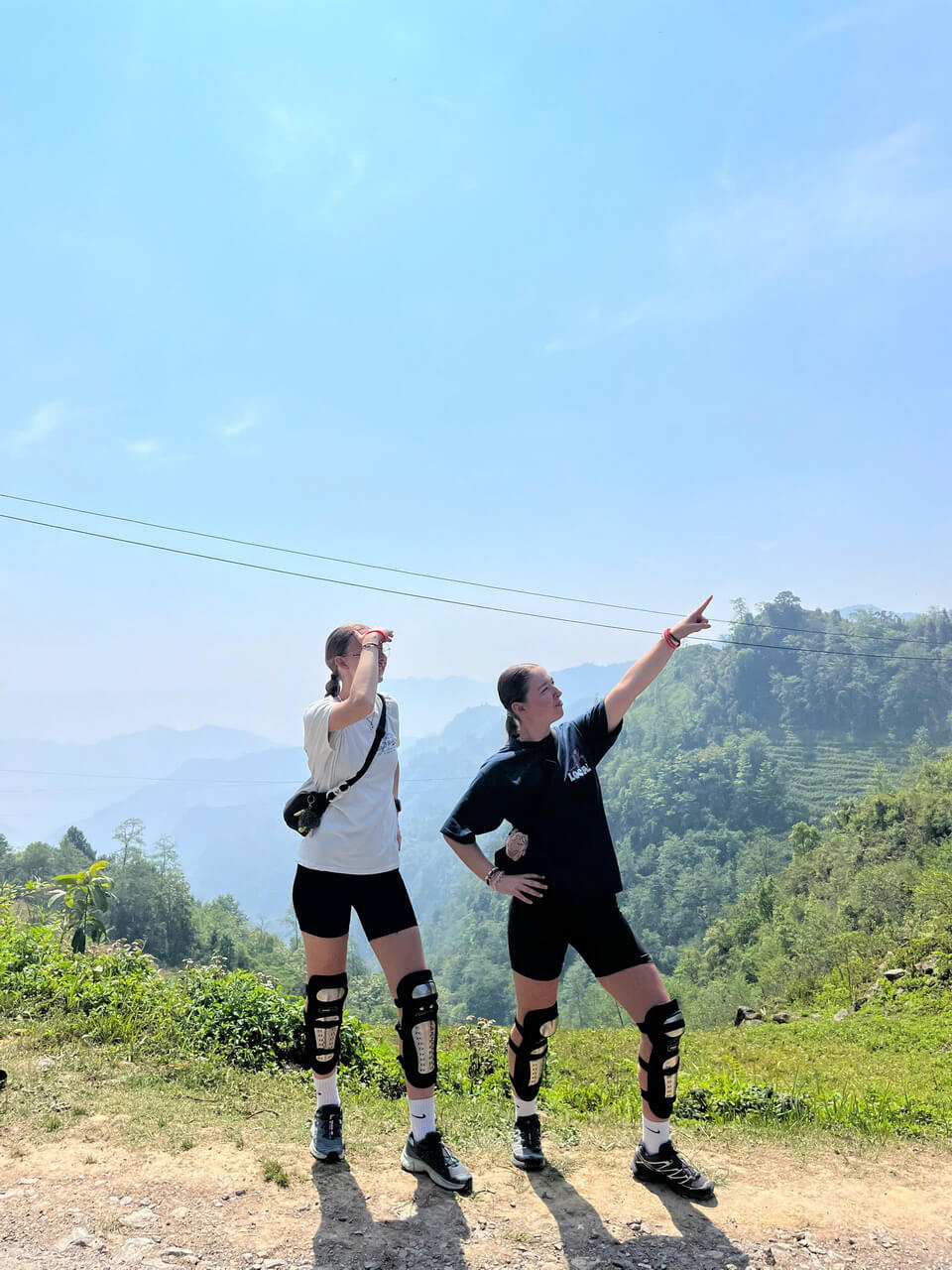
The Dry Season (October - April): The Best Time for Travel
The wet season, often referred to as the Ha Giang rainy season, begins in May and usually lasts until September.
This period is characterized by frequent showers, higher humidity, and occasional storms. While these conditions can create travel challenges, they also transform Ha Giang into its greenest and most vibrant form.
Mountains become covered in lush vegetation, rivers flow more strongly, and waterfalls reach their most impressive levels. The entire region feels refreshed and full of life.
However, there are a few important considerations.
Heavy rainfall can make some roads slippery and increase the risk of landslides on steep mountain sections. If you're planning to visit during this season, it's important to:
Monitor weather forecasts carefully
Ride cautiously on mountain roads
Have prior riding experience if traveling independently
Allow flexibility in your itinerary
For travelers willing to embrace these conditions, the wet season offers a completely different perspective of Ha Giang - wild, green, and incredibly atmospheric.
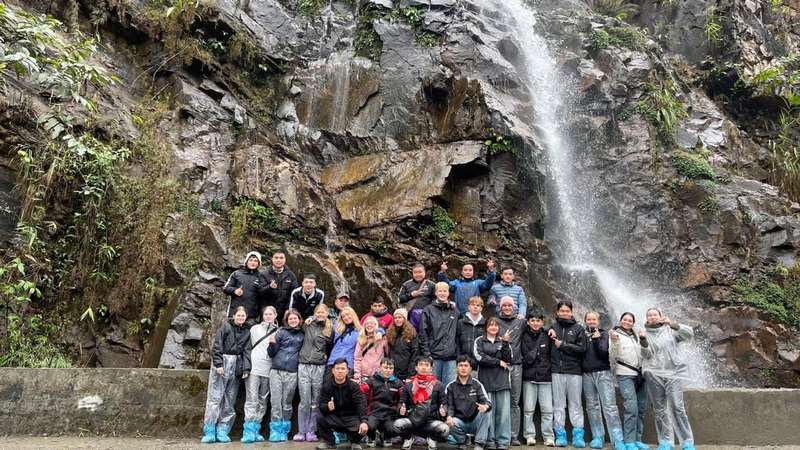
The Wet Season (May - September): Lush Landscapes & Travel Considerations
The truth is that there isn't one perfect month that suits everyone.
The best time to visit depends entirely on what you want to see and experience. Some travelers come for photography, others for motorbike adventures, and many simply want to enjoy the natural beauty of the mountains. Here is a quick guide to help you choose the right season.
If you're a photographer or someone who loves breathtaking landscapes, autumn is often considered the most beautiful season in Ha Giang.
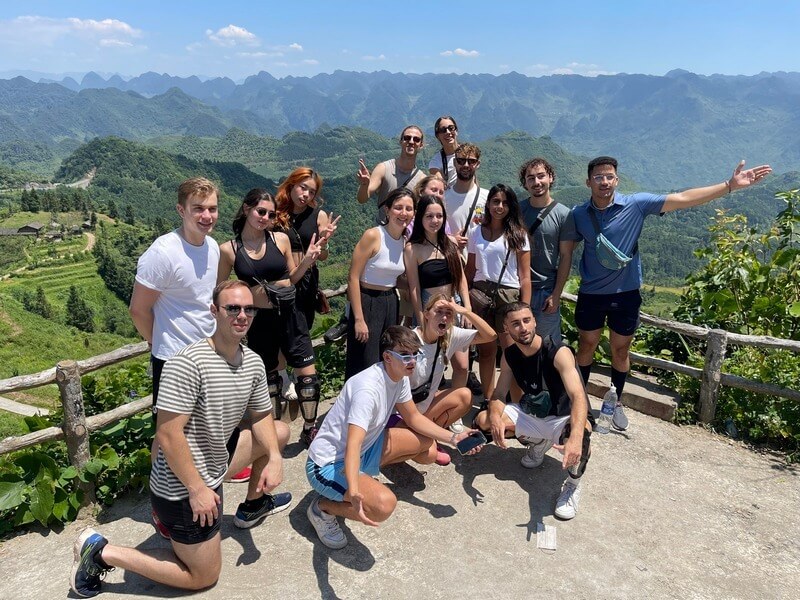
For Peak Scenery (Golden Rice & Buckwheat): September to November
This is the famous golden rice season. Terraced rice fields, particularly around Hoang Su Phi, turn brilliant shades of gold as harvest time approaches. The scenery is truly spectacular and attracts photographers from around the world.
After the rice harvest comes the iconic buckwheat flower season. Hillsides throughout Quan Ba, Yen Minh, Dong Van, and Meo Vac become covered in soft pink and purple flowers.
This is the season that has helped make Ha Giang one of Vietnam’s most famous travel destinations.
Đối với các tín đồ xe máy, đây là khoảng thời gian tuyệt vời để chinh phục Ha Giang Loop. Thời tiết mùa xuân ấm áp, dễ chịu, không quá nóng cũng không quá lạnh. Bầu trời trong xanh và những cung đường khô ráo đảm bảo một chuyến đi an toàn và thoải mái. Hơn nữa, đây cũng là mùa của hoa gạo đỏ rực và những mầm non xanh biếc, mang lại một khung cảnh tràn đầy sức sống.
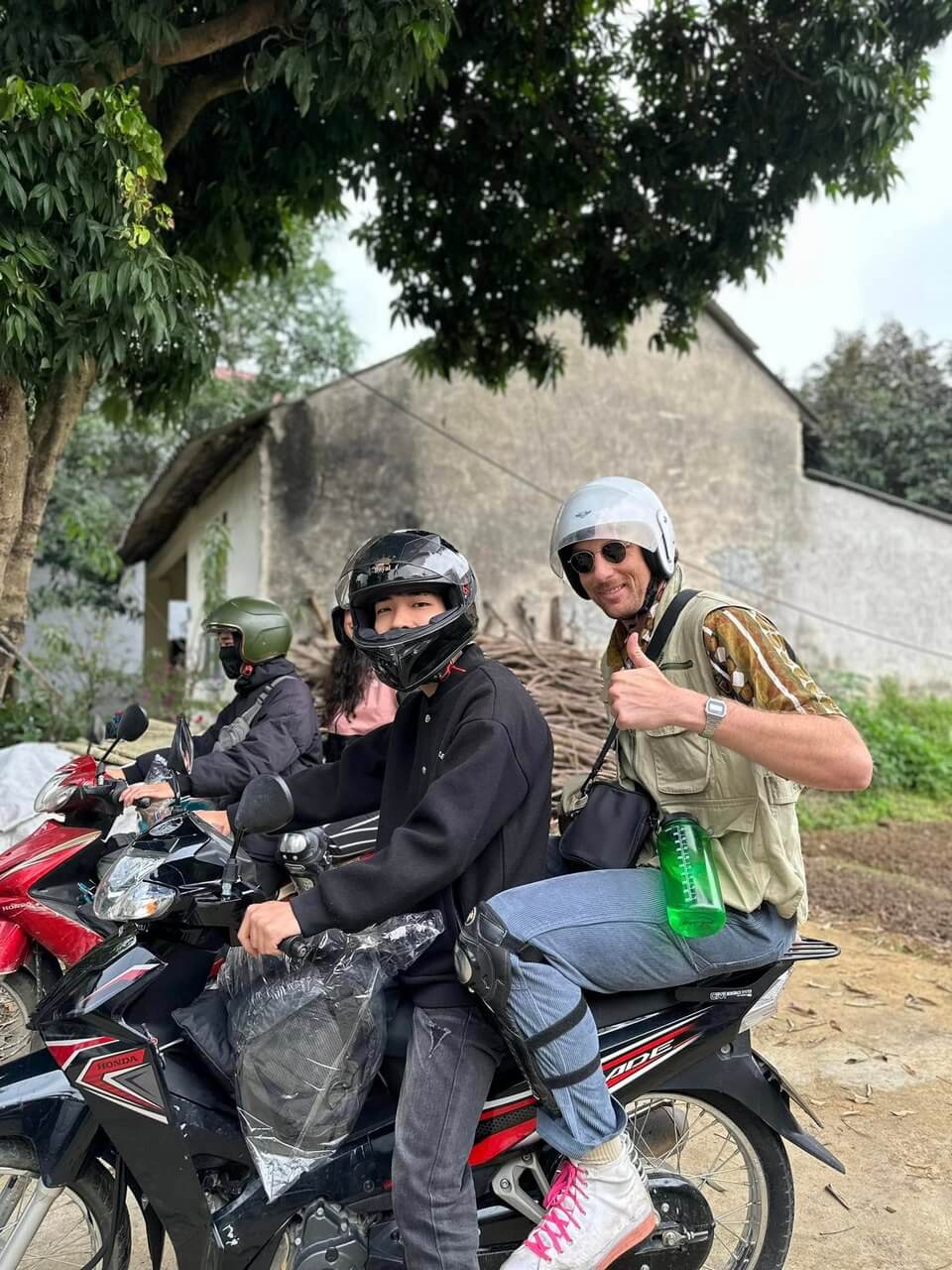
For Ideal Riding Conditions (Pleasant & Dry): March to May
For motorbike enthusiasts, this is arguably the best period to ride the Ha Giang Loop.
Spring weather is warm but not overly hot, while mountain roads remain relatively dry and safe. Clear skies provide excellent visibility, making long riding days much more enjoyable.
This season also brings:
Vibrant red Bombax flowers blooming across the mountains
Fresh green rice shoots appearing in the valleys
Comfortable daytime temperatures
Fewer weather-related travel disruptions
The combination of beautiful scenery and ideal road conditions makes this one of the most popular periods among experienced riders.
To help you plan even more effectively, let's take a closer look at Ha Giang weather by month through the different seasons of the year.
Each season reveals a different side of Ha Giang, offering its own landscapes, weather patterns, and cultural experiences.
Spring represents renewal and fresh beginnings throughout Ha Giang.
After the cold winter months, temperatures gradually rise to between 18°C and 28°C, creating ideal conditions for outdoor exploration.
The skies are often clear, sunshine is gentle, and the mountain air feels refreshing.
This season is known for:
Red Bombax flowers blooming along the Nho Que River
Fresh green rice terraces beginning a new growing cycle
Comfortable temperatures for riding
Vibrant landscapes filled with new life
Spring brings a sense of optimism and energy that can be felt throughout the region.
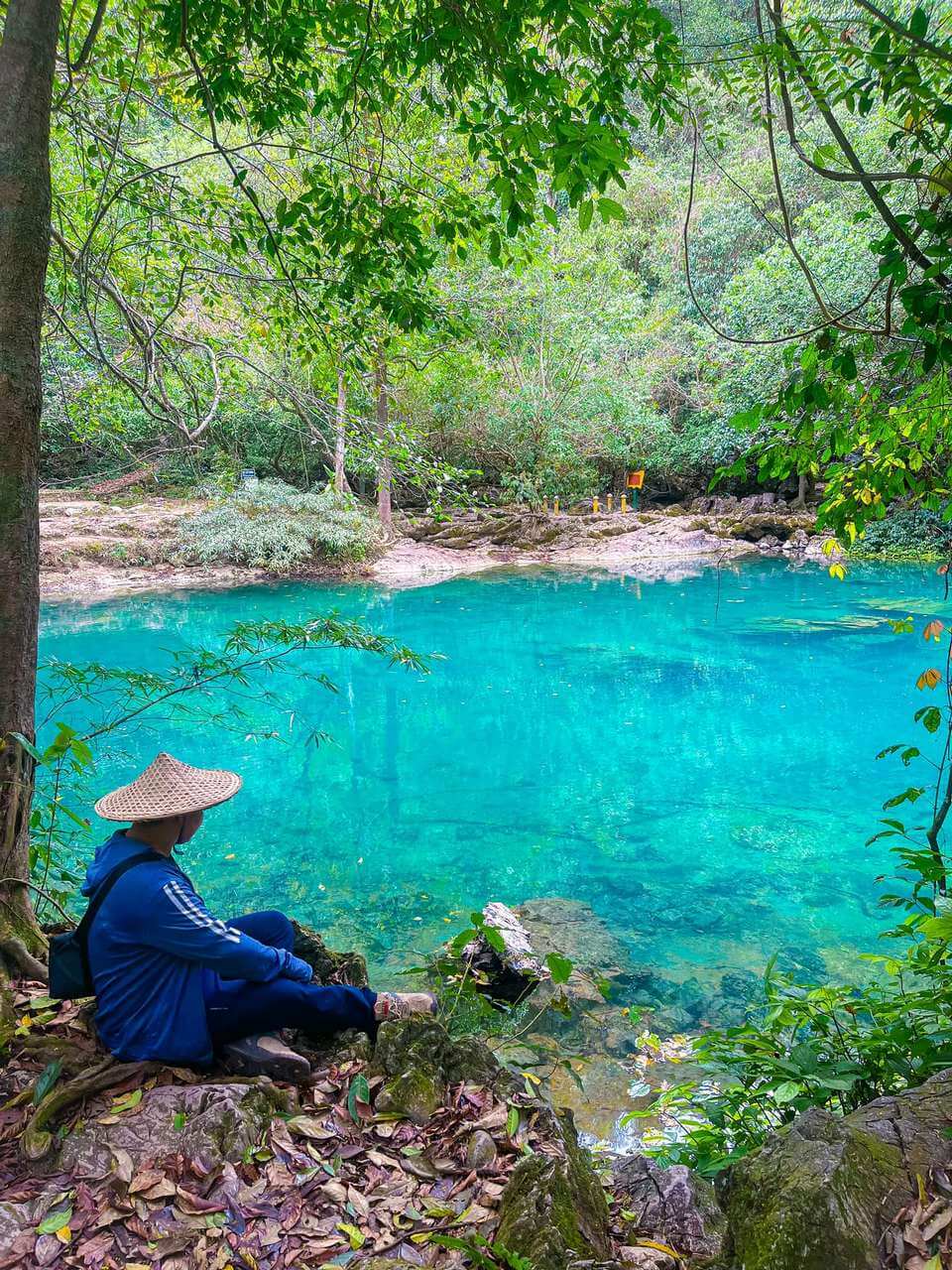
Spring in Ha Giang
Summer introduces the tropical rainy season, bringing warmer temperatures and frequent rainfall.
Daytime temperatures can reach 35°C, making this the hottest period of the year.
Rainfall nourishes the landscape, creating lush forests and powerful waterfalls such as Waterfall No. 9. Rivers become fuller, and the mountains appear greener than at any other time.
However, travelers should also prepare for:
Slippery roads
Sudden rain showers
Reduced visibility in certain areas
Occasional landslides during periods of heavy rain
For adventurous travelers, summer showcases a wild and untamed side of Ha Giang that few visitors experience.
Autumn is undoubtedly the most anticipated and celebrated season in Ha Giang. For many travelers, this is the period when the region looks its absolute best.
The weather becomes pleasantly cool and dry, with average temperatures ranging from 20°C to 28°C. The skies are often clear, humidity is lower, and riding conditions are excellent throughout most of the province.
September marks the arrival of the famous golden rice season. Across Hoang Su Phi, terraced rice fields transform into layers of brilliant gold stretching across entire mountainsides. The sight of these glowing terraces under the autumn sun is one of the most iconic images of Northern Vietnam.
As the harvest season comes to an end, another spectacle begins.
From late October through November, buckwheat flowers bloom across the Dong Van Karst Plateau. Vast fields of soft pink and purple flowers spread across hillsides and valleys, creating the scenery that has become synonymous with Ha Giang tourism.
Many travelers consider Ha Giang weather in October to be the perfect combination of cool mountain air, warm sunshine, and spectacular seasonal landscapes. Whether you're riding the loop, exploring ethnic villages, or photographing the countryside, autumn offers some of the best conditions of the entire year.
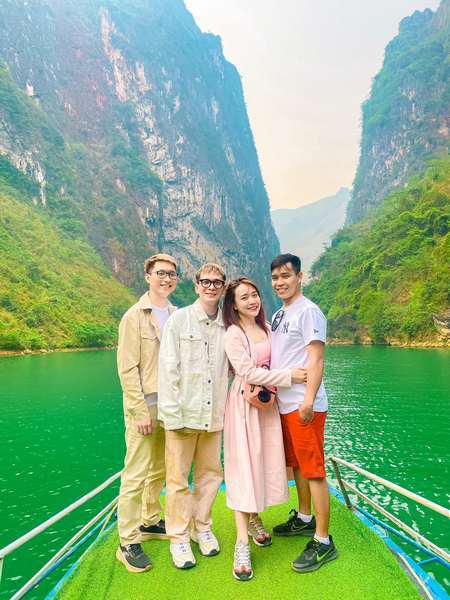
Autumn in Ha Giang (September - November): The Famous Golden Season
Winter reveals a completely different side of Ha Giang.
Temperatures drop significantly and can fall below 10°C, especially in higher-altitude districts such as Dong Van, Meo Vac, and Lung Cu. During particularly strong cold fronts, frost may appear on mountaintops, and in rare cases, snow has even been recorded in the province's highest areas.
Despite the cold, winter possesses a unique charm that many travelers find irresistible.
This season is known for:
Vast seas of clouds drifting through mountain valleys
Brilliant yellow mustard flower fields
Early-blooming plum blossoms
Peaceful landscapes with fewer tourists
The colder weather seems to amplify the dramatic beauty of the limestone mountains. Mist hangs over valleys in the morning, villages appear through layers of fog, and the entire region feels quieter and more mysterious.
Ha Giang is much more than mountain passes and dramatic scenery. Throughout the year, different flowers, crops, and seasonal events transform the landscape and create unforgettable experiences. Let's take a closer look at some of the most iconic seasonal highlights.
October is the month when Ha Giang truly captures the attention of travelers across Vietnam and beyond.
This is the beginning of the famous Ha Giang buckwheat flower season, one of the most photographed events in the country.
Throughout Quan Ba, Yen Minh, Dong Van, and Meo Vac, fields of buckwheat flowers bloom in shades of pink, purple, and white. These flowers cover entire hillsides and create an almost dreamlike atmosphere across the rocky plateau.
The weather during October makes the experience even better.
Days are generally dry and sunny, while mornings and evenings are pleasantly cool. The soft autumn light creates perfect conditions for photography, allowing visitors to capture the flowers against dramatic limestone mountains and traditional ethnic villages.
In addition to the scenery, October often brings festivals and cultural celebrations that allow visitors to experience local traditions alongside the natural beauty.
Before buckwheat flowers take center stage, September belongs to the rice terraces.
This is harvest season in Ha Giang, and nowhere showcases it better than Hoang Su Phi.
The district is home to some of Vietnam's most spectacular terraced rice fields, many of which have been recognized as National Heritage Sites.
As the rice ripens, the terraces gradually change from green to brilliant gold. Layer upon layer of golden fields climb up mountainsides, creating a breathtaking landscape that many travelers describe as "stairs to heaven."
Under the warm autumn sunlight, the scenery becomes even more dramatic, making September one of the most rewarding months for photographers and nature lovers alike.
After the coldest part of winter passes, spring slowly arrives across the mountains.
From shortly after Lunar New Year, peach blossoms begin appearing throughout villages and valleys. Soon after, plum and pear blossoms cover the countryside in brilliant white.
These flowers bring a fresh sense of life and color to the rocky landscape.
One of the most beautiful sights during this period is seeing traditional earthen Hmong houses surrounded by blooming plum trees. The contrast between the white flowers, dark wooden structures, and rugged mountains creates a scene that feels both peaceful and timeless.
For many visitors, spring offers a softer and more romantic side of Ha Giang compared to the dramatic landscapes of autumn and winter.
Packing appropriately for the weather can make a huge difference to your overall experience.
Because Ha Giang's climate changes significantly throughout the year, your packing list should adapt to the season you're visiting.
The answer is simple: yes, it can be very cold. Nighttime temperatures often drop dramatically, particularly in mountainous areas.
To stay comfortable during winter, you should bring:
Thermal base layers
Fleece-lined shirts and pants
A thick insulated jacket or down jacket
Windproof outerwear
Warm gloves
A wool hat or beanie
A scarf or neck warmer
Thick socks
Footwear is equally important. Waterproof hiking boots with good grip help keep your feet warm while providing extra stability on uneven terrain.
Proper winter clothing isn't just about comfort - it also plays an important role in staying safe during long rides through cold mountain conditions.
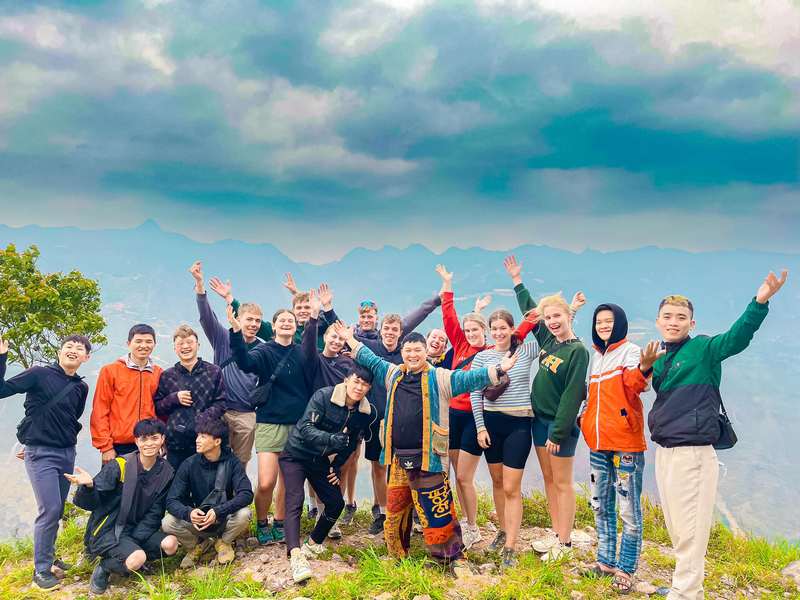
Packing for Winter: Is it Cold in Ha Giang in December?
Spring and autumn generally offer the most comfortable temperatures of the year.
However, there can still be significant temperature differences between daytime and nighttime, especially in mountain areas.
A practical packing list should include:
Lightweight T-shirts
Long-sleeve shirts
A light fleece or sweater
A windbreaker or lightweight jacket
Comfortable long pants
Sunglasses
Sunscreen
Layering remains the best strategy because it allows you to adjust easily as temperatures change throughout the day.
A comfortable pair of sneakers or hiking shoes will usually be sufficient for most activities.
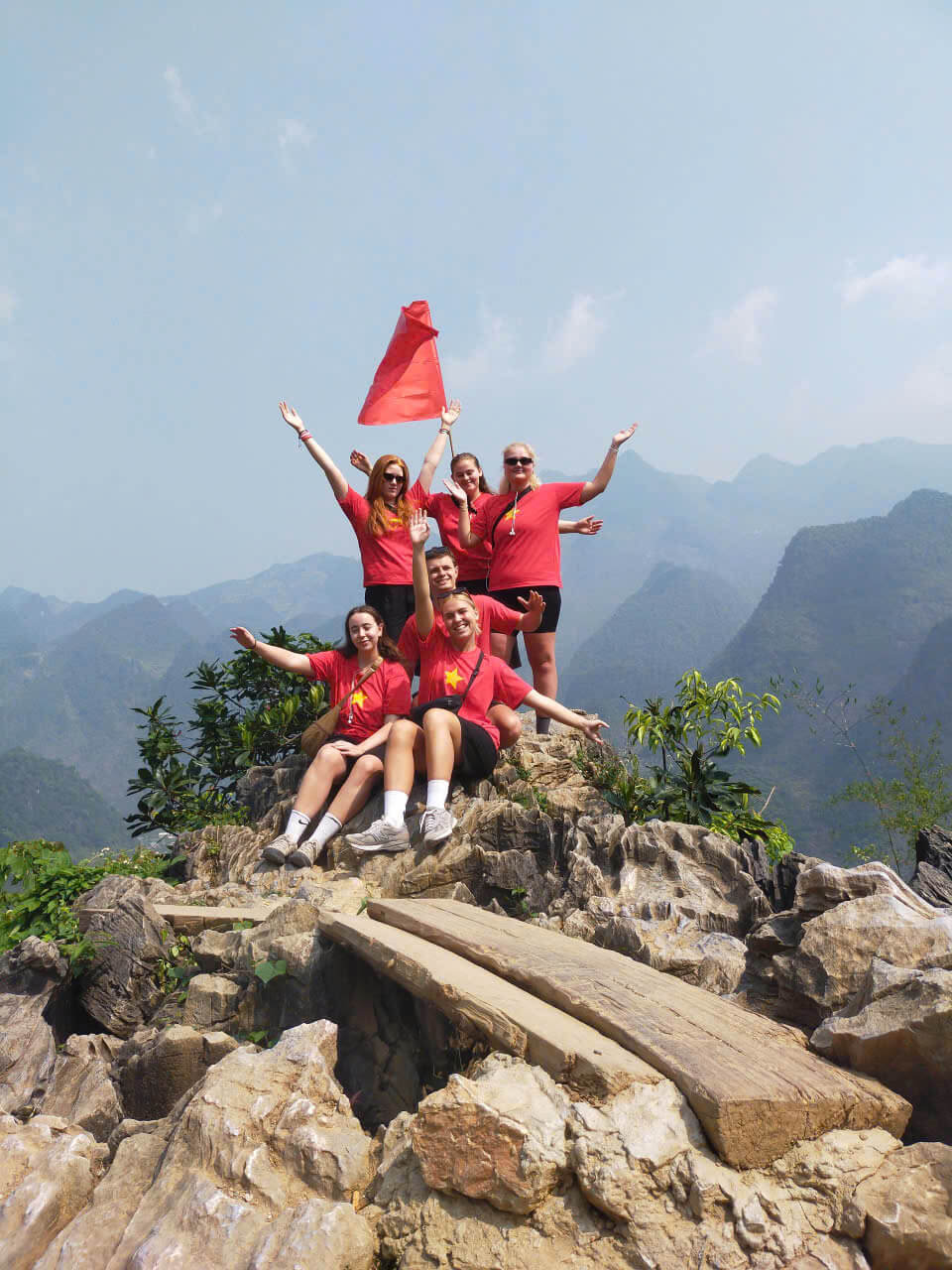
Essentials for the Dry and Pleasant Seasons (Autumn/Spring)
Traveling during the rainy season requires extra preparation.
Waterproof gear becomes essential for both comfort and safety.
Important items include:
A high-quality two-piece rain suit
Quick-drying clothing
Waterproof bags for electronics
Waterproof phone protection
Non-slip footwear
Unlike a simple poncho, a proper rain suit offers much better protection while riding a motorbike.
Choosing quick-drying materials instead of heavy cotton clothing can also make a huge difference when dealing with frequent rain showers.
When planning a trip to Ha Giang, several questions come up repeatedly. Here are some of the most common ones.
Yes - but only rarely.
Snow usually appears during the coldest winter periods, typically between December and January, and only in the highest mountain areas such as Tay Con Linh.
Most popular tourist destinations, including Dong Van and Meo Vac, do not receive regular snowfall. Instead, travelers are more likely to encounter frost or icy conditions during particularly cold mornings.
While snow is uncommon, the possibility of seeing winter conditions in Northern Vietnam remains one of the reasons many travelers find Ha Giang so fascinating.
To enjoy the Ha Giang Loop without feeling rushed, we generally recommend:
3 days and 2 nights as the minimum itinerary
4 days and 3 nights for a more complete experience
This allows enough time to visit the main highlights, take photographs, explore local villages, and enjoy the journey at a comfortable pace.
Longer itineraries also reduce riding fatigue and give you more opportunities to experience local culture.
Understanding Ha Giang weather by month is one of the best ways to plan a memorable trip. Each season offers something completely different - from the peach and plum blossoms of spring, the lush green mountains of summer, and the golden rice terraces of autumn to the misty landscapes of winter. There is no single "best" month for everyone; the ideal time depends on the type of scenery, weather, and experiences you're looking for.
Whether you're hoping to ride through blooming valleys in March, photograph the golden harvest season in September, admire buckwheat flowers in November, or experience the peaceful atmosphere of winter, Ha Giang has something unique to offer throughout the year.
If you're unsure when to visit, Mikey Ha Giang can help you choose the perfect season based on your interests and travel style. With experienced local guides, Easy Rider tours, and in-depth knowledge of weather conditions across every month, we make it easier for you to enjoy a safe, comfortable, and unforgettable Ha Giang adventure.
No matter which month you choose, the Ha Giang Loop promises breathtaking scenery, rich cultural experiences, and memories that will stay with you long after the journey ends. Let Mikey Ha Giang help you discover the best of Ha Giang in every season.