
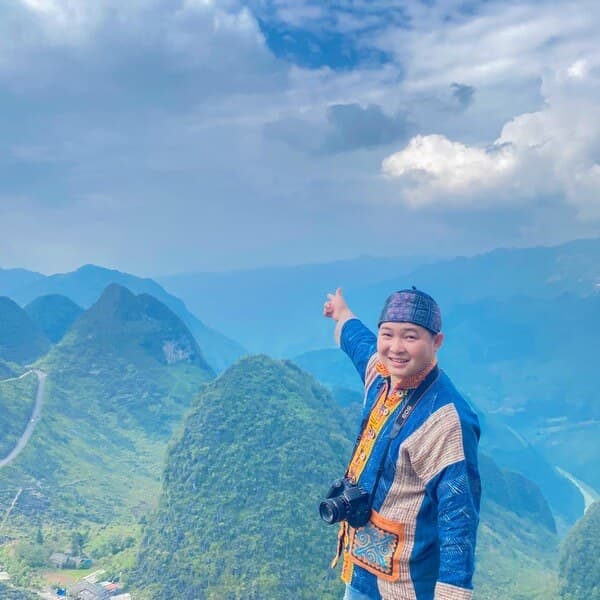
Thinking about doing the Ha Giang Loop in November? This is when Ha Giang enters one of its most romantic and photogenic seasons. The weather becomes cooler, the skies clearer, and hillsides across the region begin to bloom with pink and purple buckwheat flowers. Combined with dramatic mountain passes, peaceful valleys, and vibrant ethnic markets, November creates a version of Ha Giang that feels both lively and deeply atmospheric.
The short answer is: Yes, absolutely.
November is widely considered one of the most beautiful and unique times to experience the Ha Giang Loop. This is the moment when the region transitions into early winter. The last autumn rains disappear, giving way to dry weather, golden sunlight, and crisp mountain air. Roads become clearer, skies turn bluer, and the landscapes take on a completely different atmosphere compared to the rest of the year.
At the same time, November is not simply “beautiful” in an easy or effortless way. The season rewards travelers who come prepared. Temperatures begin to drop significantly, especially in higher areas, and the cold can feel surprisingly intense once you’re on a motorbike for hours. But for those willing to embrace the conditions, the experience becomes unforgettable.
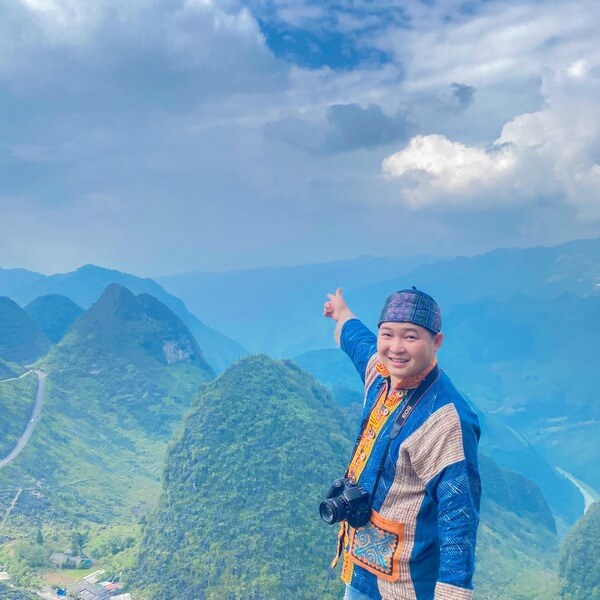
Is November a Good Time for the Ha Giang Loop?
Traveling the Ha Giang Loop in November offers a very different feeling from the lush green months of summer or the golden rice season of September.
Instead of rice terraces, the mountains begin to bloom with soft pink and purple shades from the famous buckwheat flowers. The atmosphere becomes quieter, calmer, and more cinematic. Combined with dry roads and cooler temperatures, the riding conditions feel far more comfortable than during the rainy season.
For photographers and travelers who enjoy dramatic scenery, this period can feel almost surreal. Early morning mist drifts across valleys, sunlight creates sharp contrasts on limestone mountains, and flower fields stretch across hillsides in every direction.
As long as you prepare properly for the cold, November is one of the most rewarding months to explore Ha Giang.
The rugged stone plateau, which can feel dry and harsh during other seasons, suddenly softens under fields of blooming buckwheat flowers. Hillsides and valleys become covered in layers of pale pink, light purple, and white blossoms that seem to flow endlessly across the mountains.
This scenery feels especially striking because of the contrast around it:
Soft flower fields against sharp limestone peaks
Delicate colors beneath dramatic mountain skies
Warm golden sunlight mixed with the cool atmosphere of early winter
The result is a landscape that feels both romantic and powerful at the same time - something that no other month in Ha Giang truly replicates.
To fully enjoy the Ha Giang Loop in November, understanding the weather is essential. November marks the beginning of the dry season, but it’s also when the first cold fronts begin arriving from the north.
This combination creates ideal riding conditions during the day, while nights and early mornings become noticeably colder.
One of the most important things to prepare for is the large temperature difference between day and night.
During the daytime, the weather is generally very pleasant. Temperatures usually range from 18 – 24°C, with clear skies and warm sunlight. Riding through mountain passes under these conditions feels refreshing rather than exhausting, especially compared to the heat and humidity of summer months.
Once the sun sets, however, the atmosphere changes quickly.
At night and in the early morning, temperatures can drop below 15°C, and in high-altitude areas like Dong Van or Meo Vac, they may even approach 10°C. Combined with strong mountain winds, the cold can feel much sharper than the numbers suggest - especially while riding.
Because of this, dressing properly becomes extremely important if you want to stay comfortable throughout the journey.
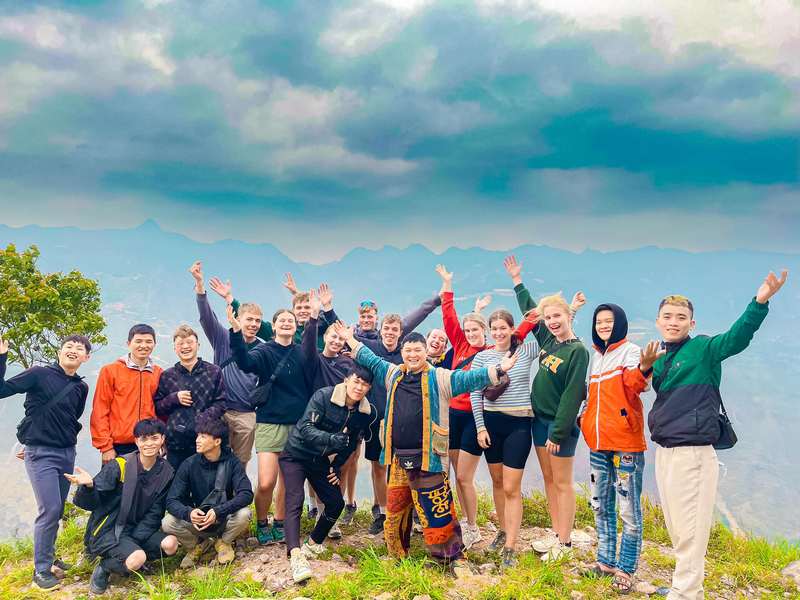
Daytime vs. Nighttime Temperatures: What to Realistically Expect?
Rain becomes rare, which means:
Roads are dry and much safer
Visibility improves dramatically
Riding feels smoother and less stressful
The sky is often bright blue during the day, creating excellent conditions for photography and sightseeing. Long-distance mountain views become much clearer, allowing you to fully appreciate the scale of the landscape.
Compared to the rainy season, the overall experience feels calmer and more predictable, making the Ha Giang Loop in November especially attractive for first-time visitors.
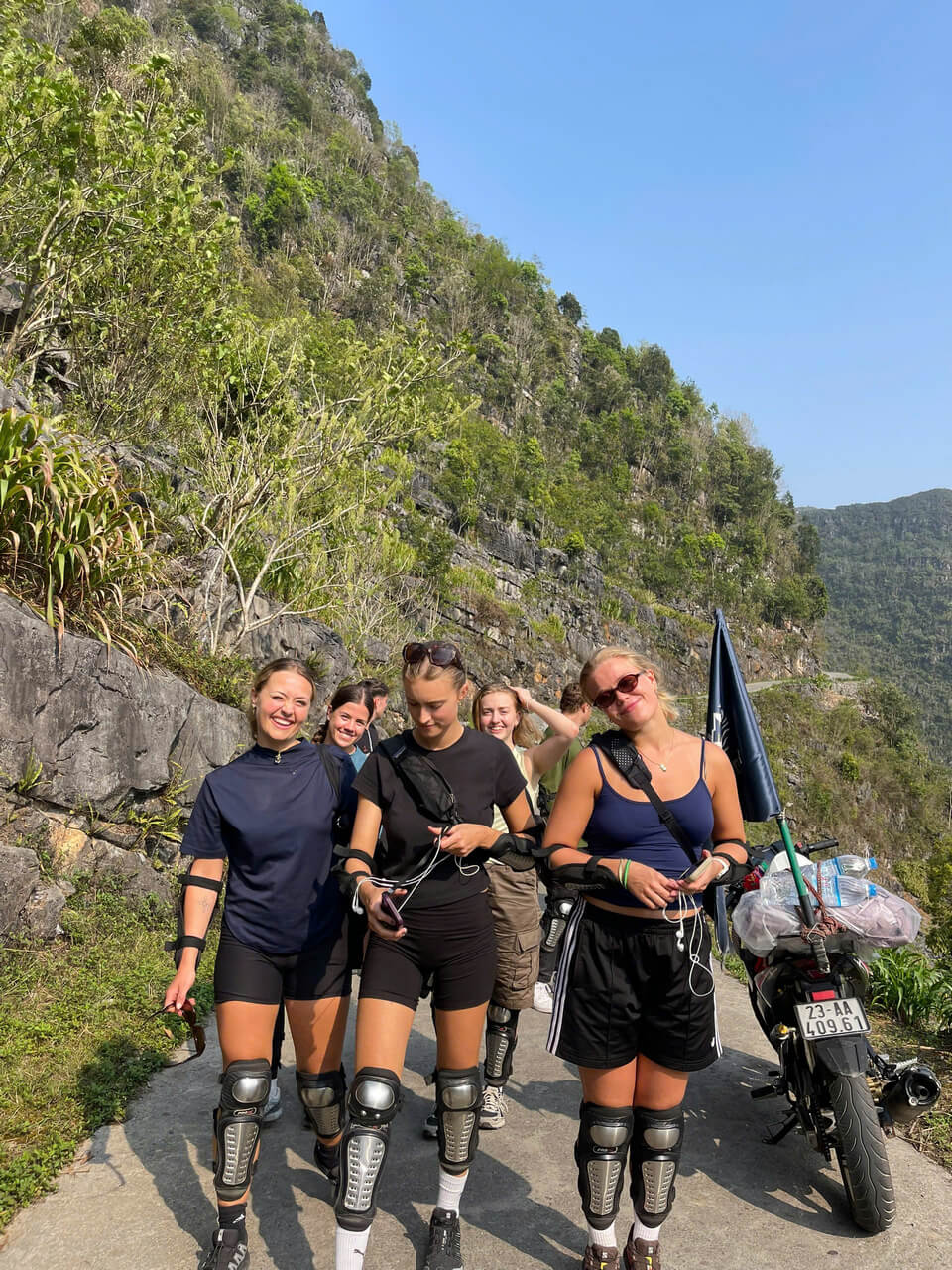
Dry Season Benefits: Sunny Skies and Ideal Riding Conditions
If there is one reason why thousands of travelers visit Ha Giang in November, it is the buckwheat flower season.
This has become one of the most iconic symbols of the region and completely transforms the atmosphere of the loop.
The buckwheat flower season in Ha Giang usually begins in late October and reaches peak bloom from early to mid-November.
During this period, flower fields appear almost everywhere along the loop, but some places are especially famous:
Sung La Valley:
Often described as the “rose of the stone plateau,” this peaceful valley became famous through the film The Story of Pao and is surrounded by stunning flower fields
Below Lung Cu Flag Tower:
Seeing endless buckwheat flowers beneath Vietnam’s northernmost flag tower creates one of the most iconic views in the region
Ma Pi Leng Pass:
Flower fields growing beside dramatic cliffs and the deep Tu San Canyon create an unforgettable contrast
Pho Bang and Lung Tao villages:
Quiet traditional villages where flower fields blend naturally into daily local life
Each location offers a slightly different atmosphere, but all of them showcase the unique beauty of Ha Giang in November.
Photographing the tam giac mach flowers is one of the highlights of the trip, but capturing them well requires a bit of timing and patience.
The best moments are usually sunrise and sunset, when the light becomes softer and warmer. During these hours, the pink and purple tones of the flowers appear richer and more layered, while the surrounding mountains gain more depth and texture.
Instead of simply standing in the middle of a flower field, try experimenting with different perspectives:
Shooting from lower angles to make the flowers feel more immersive
Finding elevated viewpoints to capture both flowers and mountains together
Using contrasting clothing colors such as white, beige, or yellow to stand out naturally against the landscape
At the same time, it’s important to respect the people who grow these flowers. Most fields belong to local families, so always ask for permission before entering and avoid stepping on the plants while taking photos.
Like every season, November comes with both advantages and disadvantages. Understanding both sides helps you decide whether this is truly the right time for your journey.
The Best Parts of November - And the One Thing You Shouldn’t Ignore
There are many reasons why travelers love the Ha Giang Loop in November.
The scenery is undeniably one of the biggest highlights. The combination of blooming buckwheat flowers, dramatic limestone mountains, and golden winter sunlight creates landscapes that feel cinematic almost everywhere you go.
The riding conditions are also excellent. Dry roads, clear skies, and lower humidity make long rides significantly more comfortable and safer compared to the rainy season.
Although November is popular, it still feels less overwhelming than major summer travel periods. Many viewpoints and villages remain peaceful enough for you to truly enjoy the quiet atmosphere of the mountains.
The biggest challenge of November is, without question, the cold weather.
If you underestimate the temperature or fail to prepare proper clothing, the cold can quickly affect your experience. Riding through mountain passes early in the morning or after sunset can feel extremely cold due to strong wind exposure.
Even when the weather looks sunny, wind chill while riding often makes it feel much colder than expected. This is why proper layering, gloves, and windproof clothing become essential rather than optional.
For travelers who dislike cold weather, this can be physically tiring. But for those who come prepared, it simply becomes part of the adventure.
Packing properly is one of the most important parts of preparing for the Ha Giang Loop in November. The weather during this time of year can change dramatically between daytime and nighttime, especially in higher mountain areas. If you prepare well, the cold becomes part of the experience rather than a problem.
The goal is not simply to bring “warm clothes,” but to pack smartly so you can stay comfortable while riding, walking, and exploring throughout the day.
What to Wear & Pack for Ha Giang in November
The golden rule for traveling Ha Giang in November is simple: dress in layers.
Layering allows you to adjust easily as temperatures change from warm afternoons to freezing early mornings. Instead of relying on one heavy jacket, multiple lighter layers help you stay flexible and comfortable during the journey.
A practical packing list for the Ha Giang Loop should include:
Base layer: Thin thermal wear or long-sleeve heat-tech clothing that sits close to the body and helps retain warmth without feeling bulky
Middle layer: A fleece jacket, hoodie, or sweater that acts as the main insulation layer during colder moments
Outer layer: This is the most important piece. A thick windproof and waterproof jacket will protect you from cold mountain winds while riding
Pants: Thick jeans, trekking pants, or insulated outdoor pants work best. On especially cold days, adding thermal leggings underneath can make a huge difference
Accessories: Scarves, beanies, thick socks, and heat packs may seem small, but they become incredibly valuable during early morning rides through mountain passes
Packing the right way doesn’t just improve comfort - it helps you enjoy the experience longer without feeling exhausted by the cold.
There are a few items that many first-time travelers underestimate until they actually arrive in Ha Giang.
A proper windproof jacket is essential. Even if the weather looks sunny, riding through mountain passes creates strong wind exposure that quickly drains body heat. A good jacket acts like a shield, protecting you from both wind and sudden temperature drops.
Gloves are equally important—especially if you plan to ride long distances. Without proper gloves, your hands can become painfully cold and stiff, which directly affects your ability to control the motorbike safely. Thick gloves with fleece lining and wind protection are strongly recommended.
Footwear also matters more than people expect. A pair of hiking boots or durable sneakers with strong grip will not only keep your feet warmer, but also help you move safely on uneven roads, rocky viewpoints, and slippery village paths.
When combined together, these small pieces of gear significantly improve the overall riding experience during the Ha Giang Loop in November.
Once your gear is ready, the next step is planning your route properly.
The Ha Giang Loop in November deserves enough time to fully appreciate the scenery, especially during buckwheat flower season when almost every valley and mountain pass becomes photo-worthy. A good itinerary helps you avoid rushing and gives you space to enjoy the journey naturally.
Most travelers complete the Ha Giang Loop itinerary in November in either 3 or 4 days, depending on their schedule and travel style.
A 3-day itinerary works well if you have limited time. It covers the major highlights such as Quan Ba, Yen Minh, Dong Van, and Ma Pi Leng Pass. However, the pace is relatively fast, and you’ll spend long hours riding each day to stay on schedule.
A 4-day itinerary, on the other hand, offers a much more balanced experience. You’ll have extra time to stop for photos, enjoy local cafés, explore villages, and appreciate the scenery without constantly worrying about the clock. More importantly, this slower pace allows you to experience the atmosphere of Ha Giang rather than simply moving from one attraction to another.
With 4 days, you can also include additional destinations like:
Lung Cu Flag Tower
Du Gia village
Hidden valleys and smaller local roads that many shorter itineraries skip
For most travelers, especially during November’s beautiful season, 4 days tends to feel far more rewarding.
There are two main ways to experience the Ha Giang Loop: self-driving or joining an Easy Rider tour.
Self-driving gives you complete freedom and is ideal for experienced riders who are comfortable with mountain roads. You can travel at your own pace, stop whenever you want, and enjoy a stronger sense of adventure. However, Ha Giang’s roads can be challenging, especially in November when mornings and evenings become much colder.
That’s why many travelers choose an Easy Rider Ha Giang tour instead. Riding with a local driver allows you to relax, enjoy the scenery, and focus more on the experience itself. Easy Riders know the roads well, understand local conditions, and often share insights about the culture and daily life of the region, making the journey feel safer and more immersive overall.
Traveling the Ha Giang Loop in November offers a completely different feeling compared to other times of the year. The cool mountain air, colorful flower fields, and calmer weather create ideal conditions for a slower, more immersive journey through Northern Vietnam’s highlands.
At the same time, November is one of the most popular seasons for international travelers, which means planning and local experience become even more important. With Mikey Ha Giang, you’ll have the support of a team that knows how to help you experience the region beyond the usual tourist stoand - from scenic backroads and local viewpoints to authentic cultural encounters along the way.
Whether you’re chasing buckwheat flower landscapes or simply looking for the best season to ride the loop, the Ha Giang Loop in November is a journey that leaves a lasting impression - and Mikey Ha Giang is here to help you experience it the right way.