
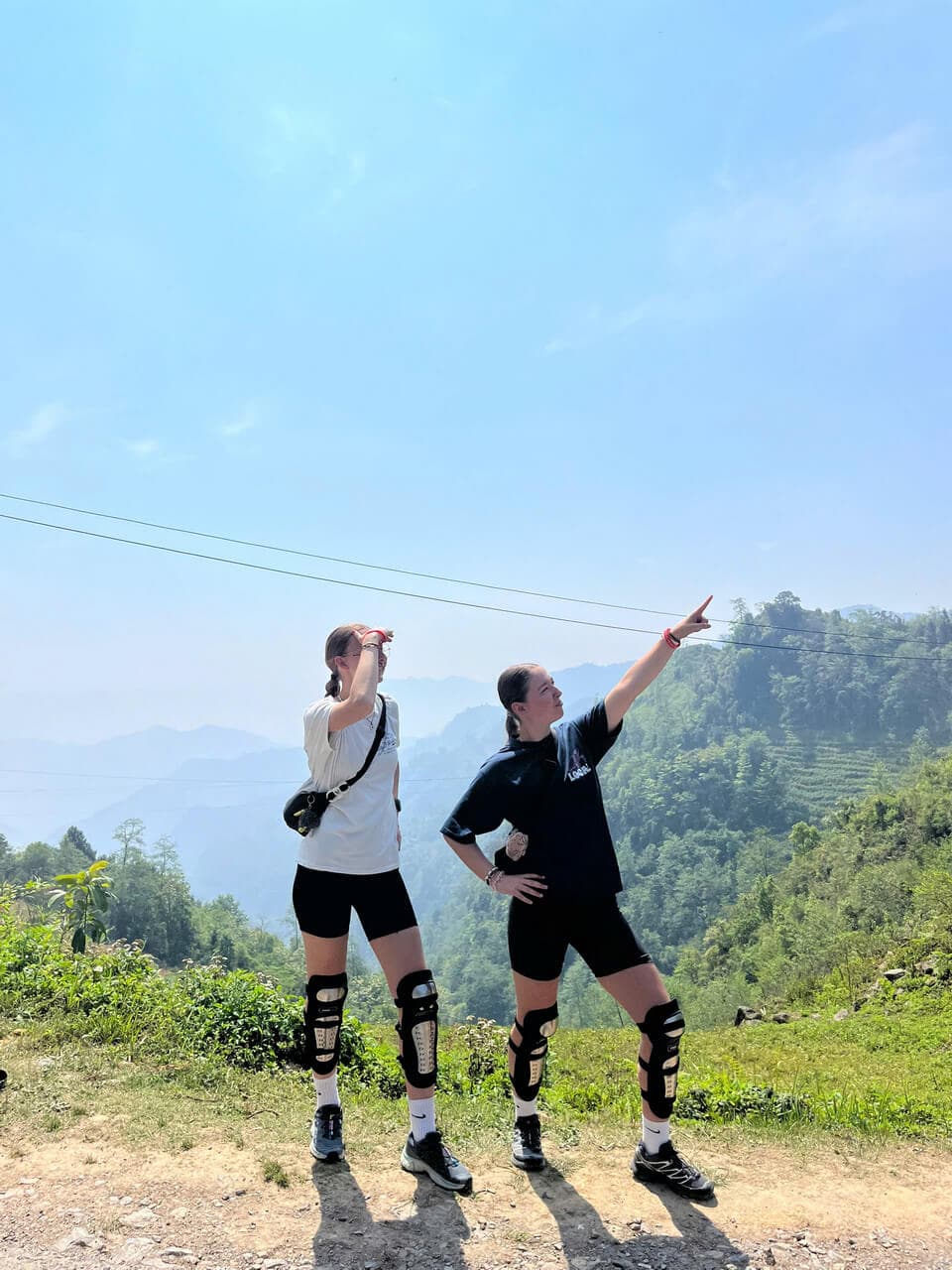
Thinking about doing the Ha Giang Loop in February? This is one of the most atmospheric times to experience Northern Vietnam’s mountains as winter slowly fades and spring begins to arrive. Across Ha Giang, peach and plum blossoms start covering valleys and hillsides, local villages prepare for the new year, and the cold mountain air creates a calm, refreshing atmosphere. February may still be chilly, but it also reveals a quieter and more authentic side of the Ha Giang Loop that many travelers never get to see.
Let's get straight to the point: February in Ha Giang is not for everyone, but for the right type of traveler, it's absolutely magical. It's a month of beautiful contradictions-crisp, cold air filled with the scent of spring flowers, quiet roads, and the vibrant energy of the Tet holiday. Instead of the golden rice terraces of autumn, you're greeted by a different kind of beauty, one that’s raw, serene, and deeply authentic.
To help you decide, we've broken down the good and the not-so-good. No sugarcoating here, just the straight facts so you can make the best choice for your adventure.
|
What You’ll Love |
Things to Keep in Mind |
|
Peach & Plum Blossom Season: February brings the first signs of spring to Ha Giang. Hillsides and valleys begin to bloom with soft pink peach flowers and white plum blossoms, creating some of the most photogenic landscapes of the year. |
Cold Mountain Weather: Temperatures remain low, especially during early mornings and nighttime rides. Long hours on a motorbike can feel significantly colder due to strong mountain winds. |
|
A More Cultural Experience During Tet: Traveling during the Lunar New Year season offers a rare chance to witness local traditions, festive markets, and the atmosphere of Tet in ethnic minority villages. |
Fog and Reduced Visibility: Fog is still common in February, particularly in high mountain areas such as Ma Pi Leng Pass, making certain sections of the route more challenging to navigate. |
|
Quieter Roads and Fewer Tourists: Compared to peak travel months, February feels calmer and less crowded, allowing for a more peaceful and authentic journey through the loop. |
Limited Services During Tet Holiday: Depending on the exact travel dates, some restaurants, shops, or local services may temporarily close or operate on shorter schedules during Tet celebrations. |
So, is this trip for you? Let's see.
This trip is perfect for you if:
You're an adventurer who doesn't mind bundling up for a unique experience.
You're a photographer eager to capture the rare beauty of peach blossoms in Ha Giang against a dramatic winter backdrop.
You're a culture enthusiast who wants to experience the authentic atmosphere of the Ha Giang in Tet holiday.
You prefer solitude and want to see the landscape in its raw, serene state without the crowds.
You might want to reconsider if:
You cannot tolerate cold weather. Seriously, the wind chill on a bike is no joke.
Your top priority is seeing the postcard-perfect, sun-drenched green and yellow landscapes.
You want a guaranteed clear view from every single viewpoint. The fog can be unpredictable.
You prefer the convenience of having every single shop and service open and available.
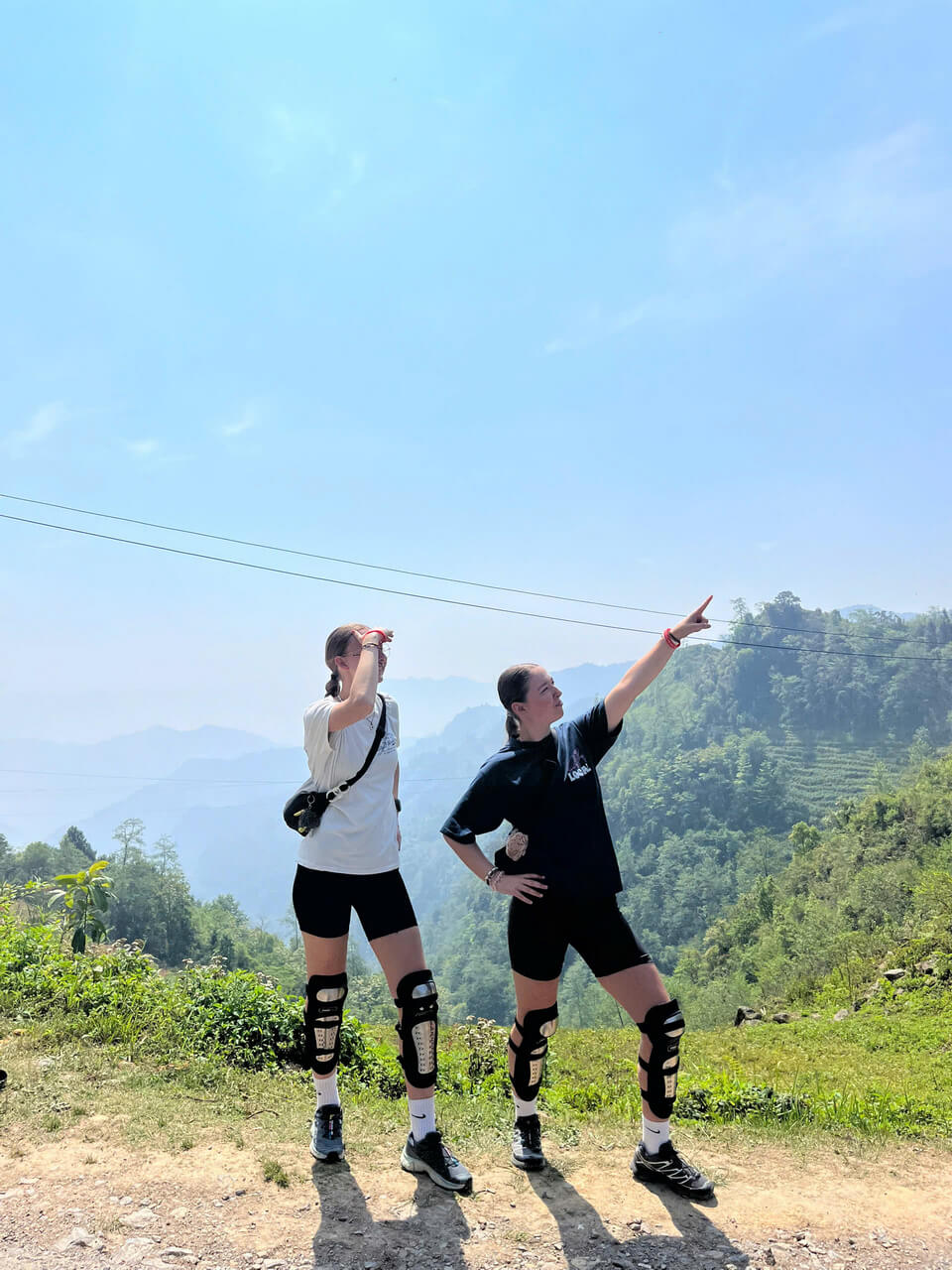
Is February a Good Time to Visit Ha Giang?
Understanding the weather is key to a successful trip. The Ha Giang loop in winter offers a very different climate from the rest of the year. While it's considered the dry season, the conditions can be challenging if you're not prepared. Let's break down what you can really expect from the Ha Giang weather in February.
When we say cold, we mean it. Average daytime temperatures in cities like Ha Giang can hover between 10°C to 18°C (50°F to 64°F). However, once you ascend into the mountains of Dong Van and Meo Vac, temperatures can easily drop. At night and in the early mornings, expect it to fall to 5°C (41°F) or even lower. It's not uncommon to see frost clinging to the vegetation at higher elevations, creating a beautiful but icy spectacle. The wind chill while riding a motorbike will make it feel significantly colder, so preparation is everything.
The good news? February is one of the driest months in Ha Giang. You're unlikely to encounter heavy, persistent rain. The not-so-good news? Light drizzle and dense fog are very common, especially in the mornings. The fog often settles in the valleys and can roll in and out throughout the day. This can reduce visibility on the roads and sometimes hide the majestic views from famous spots like the Ma Pi Leng Pass. But don't let that discourage you! The fog also adds a mystical, moody atmosphere to the landscape that you won't find at any other time of year.
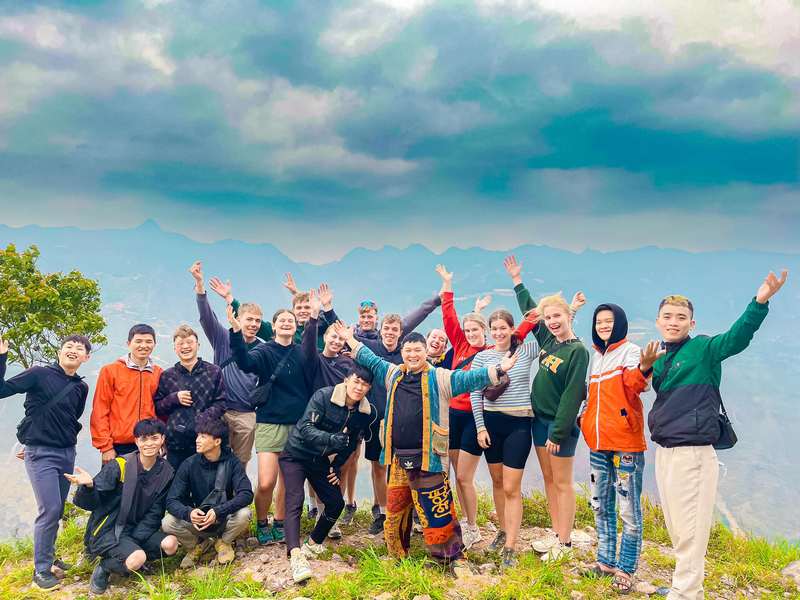
Rainfall, Drizzle, and Fog Conditions in Febuary in Ha Giang
Yes, the loop is generally safe to travel in February, provided you take the right precautions. The roads are paved and maintained, but the combination of cold, potential fog, and sharp curves demands respect. If you are not a highly experienced and confident rider, this is not the time to learn. Reduced visibility and potentially slick spots from morning frost require slower speeds and constant attention. This is why many travelers opt for an easy rider Ha Giang loop tour, which we'll discuss more later. Having a local, experienced driver navigate these conditions for you adds a huge layer of safety and peace of mind.
Despite the cold, February offers a unique visual spectacle that makes the journey completely worthwhile. This isn't just a trip; it's an opportunity to witness a side of Ha Giang that few people get to see. The landscape transforms, offering moments of profound beauty and cultural connection.
This is the number one reason to brave the cold. Answering the question: what is beautiful in Ha Giang in February? is easy: the flowers. As the Lunar New Year approaches, the stone plateaus and valleys burst into life. Wild peach trees paint the hillsides with vibrant shades of pink, while plum trees add delicate strokes of white. Villages like Lung Cam (home to Pao's House), Sung La, and the road to Lung Cu become unbelievably picturesque. Imagine a traditional H'mong house with its dark stone roof, surrounded by a cloud of pink blossoms-it's a sight that will stay with you forever.
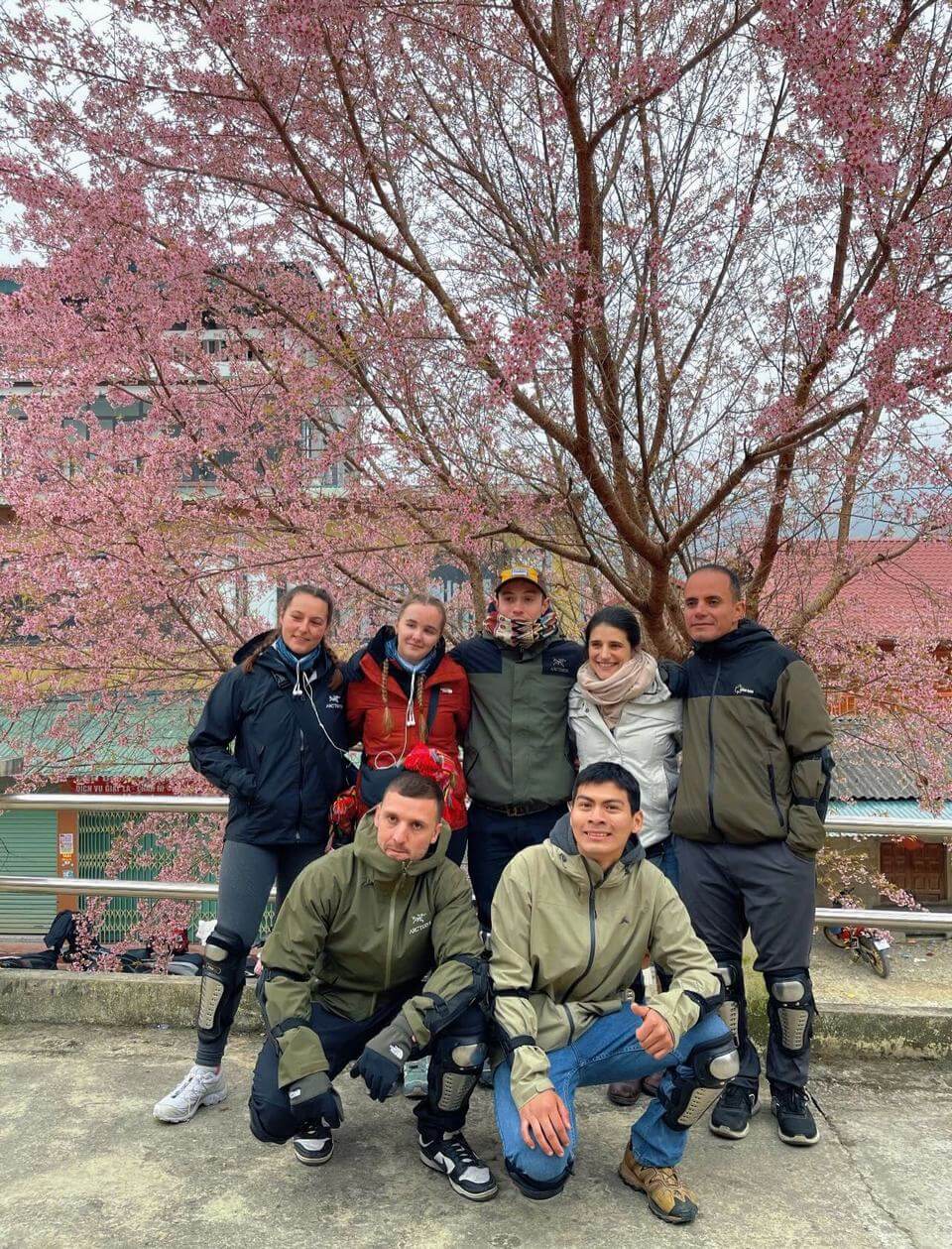
A Sea of Pink: Peach and Plum Blossoms in Full Bloom
February often coincides with Tet Nguyen Dan, the Vietnamese Lunar New Year. Traveling the Ha Giang in Tet holiday is a truly special experience. The atmosphere is festive and full of joy. You'll see families preparing traditional foods, children dressed in new clothes, and homes decorated with peach branches. While some services might be limited, the trade-off is an incredible cultural immersion. If you stay in a local homestay, you might even be invited to join their family celebrations, offering a heartwarming glimpse into their traditions and hospitality.
One of the biggest perks of a winter trip is the tranquility. The famous viewpoints, cafes, and homestays are far less crowded than during the peak season from September to November. You can stand at the top of the Ma Pi Leng Pass and feel like you have the entire "King of Passes" to yourself. This peacefulness allows for a deeper connection with the immense, powerful landscape of the Dong Van Karst Plateau Geopark. You have more time and space to simply breathe and take it all in.
Packing correctly is not just recommended; it's essential for your comfort and safety. The key to staying warm on a motorbike in winter is smart layering and the right gear. Here is exactly what to wear for the Ha Giang loop in February.
Think of your clothing as a three-part system. This allows you to adapt as the temperature changes throughout the day.
Base Layer: This is the layer against your skin. Avoid cotton! Opt for thermal underwear made of wool or synthetic materials (like polyester or polypropylene). They wick moisture away and keep you dry and warm.
Mid Layer: This is your insulation layer. A fleece jacket or a down puffer jacket works perfectly. It traps your body heat to keep you warm.
Outer Layer: This is your shield against the elements. A high-quality waterproof and windproof jacket and pants are non-negotiable. This layer will protect you from wind chill on the bike and any unexpected drizzle.
Your extremities will feel the cold first. Don't overlook these crucial items!
Waterproof/Windproof Gloves: Your hands will be exposed to the wind for hours. Invest in a good pair of thermal, waterproof motorcycle gloves. Simple wool gloves won't be enough.
Balaclava or Neck Gaiter: This protects your face and neck from the biting wind. It makes a massive difference in comfort.
Warm Wool Socks: Happy feet, happy traveler. Pack several pairs of thick wool socks to keep your toes warm inside your boots.
Warm Hat/Beanie: To wear when you're off the bike. A lot of body heat is lost through your head.
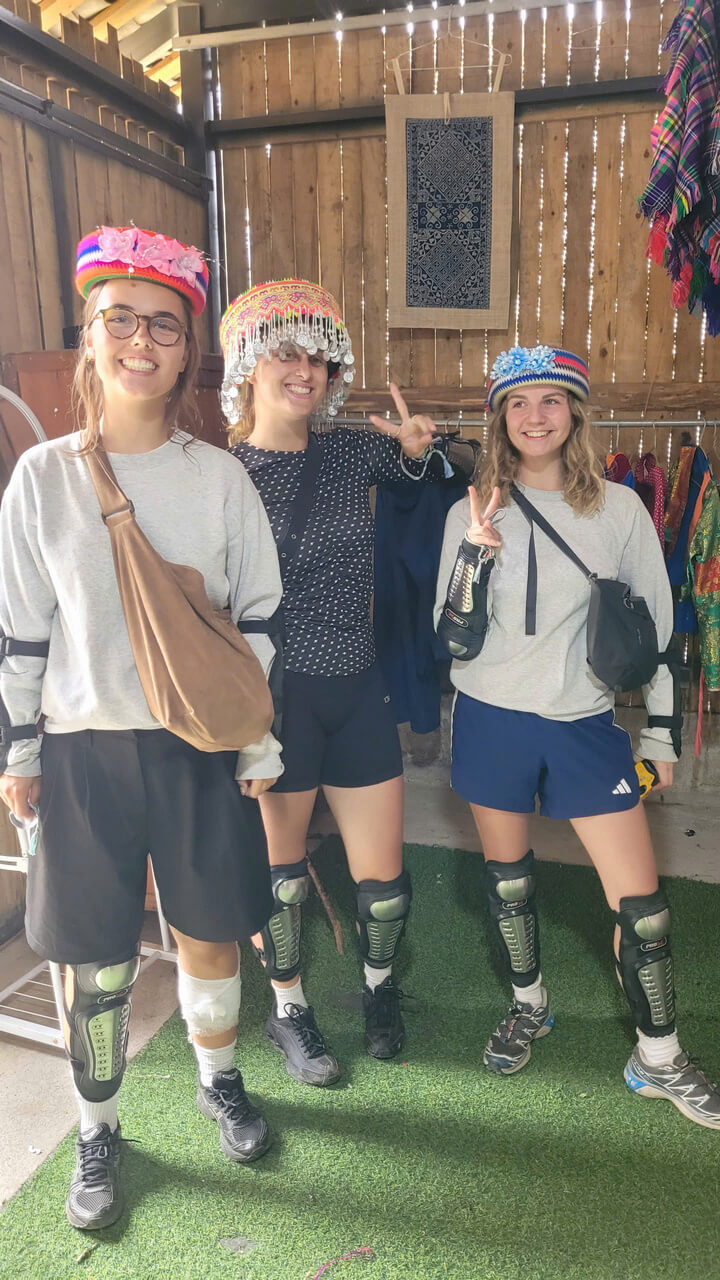
Essential Gear: Thermal Gloves, Balaclavas, and Wool Socks
A few extra items can elevate your trip from good to great.
Sturdy, Waterproof Boots: Ankle-high hiking boots are ideal.
Sunglasses: The winter sun can still be bright, and they help protect your eyes from wind and dust.
Sunscreen: Yes, even in winter! The sun at high altitudes can be strong.
Portable Power Bank: Cold weather can drain batteries faster. Keep your phone and camera charged.
Basic First-Aid Kit: Including any personal medications.
Heat Packs: Small, disposable heat packs for your hands and feet can be a lifesaver on particularly cold days.
Now that you know what to expect and how to pack, let's talk about the journey itself. The Ha Giang loop in winter presents unique challenges, and choosing the right mode of transport is crucial for both your safety and enjoyment.
Yes, it can be more difficult than in other seasons. The primary challenges are not the roads themselves, but the conditions. Fog can severely limit your visibility, and you need to be prepared to drive much slower. While ice is rare on the main roads, patches of frost in the early morning can make surfaces slippery. The constant cold also takes a physical toll, making you tire more quickly. You need to be fully alert at all times.
This is one of the most important decisions you'll make. While self-driving offers ultimate freedom, we strongly recommend choosing an easy rider Ha Giang loop tour in February.
Why an Easy Rider is the smarter choice for winter:
Safety First: These are local drivers who have navigated these roads their entire lives, in all weather conditions. They know every curve, every foggy patch, and how to handle the bike safely.
Focus on the Scenery: Instead of white-knuckling your handlebars and stressing about the road, you can actually sit back, relax, and soak in the breathtaking (and sometimes foggy) views.
-Local Knowledge: Your driver is also your guide. They can share stories, take you to hidden spots for the best photos of peach blossoms, and help you communicate with locals.
Less Fatigue: Riding in the cold is tiring. Letting someone else do the driving means you arrive at your homestay each evening with more energy to enjoy the experience.
Self-driving should only be considered if you are a very experienced motorcyclist with a proper license and are comfortable riding in cold, potentially low-visibility conditions.
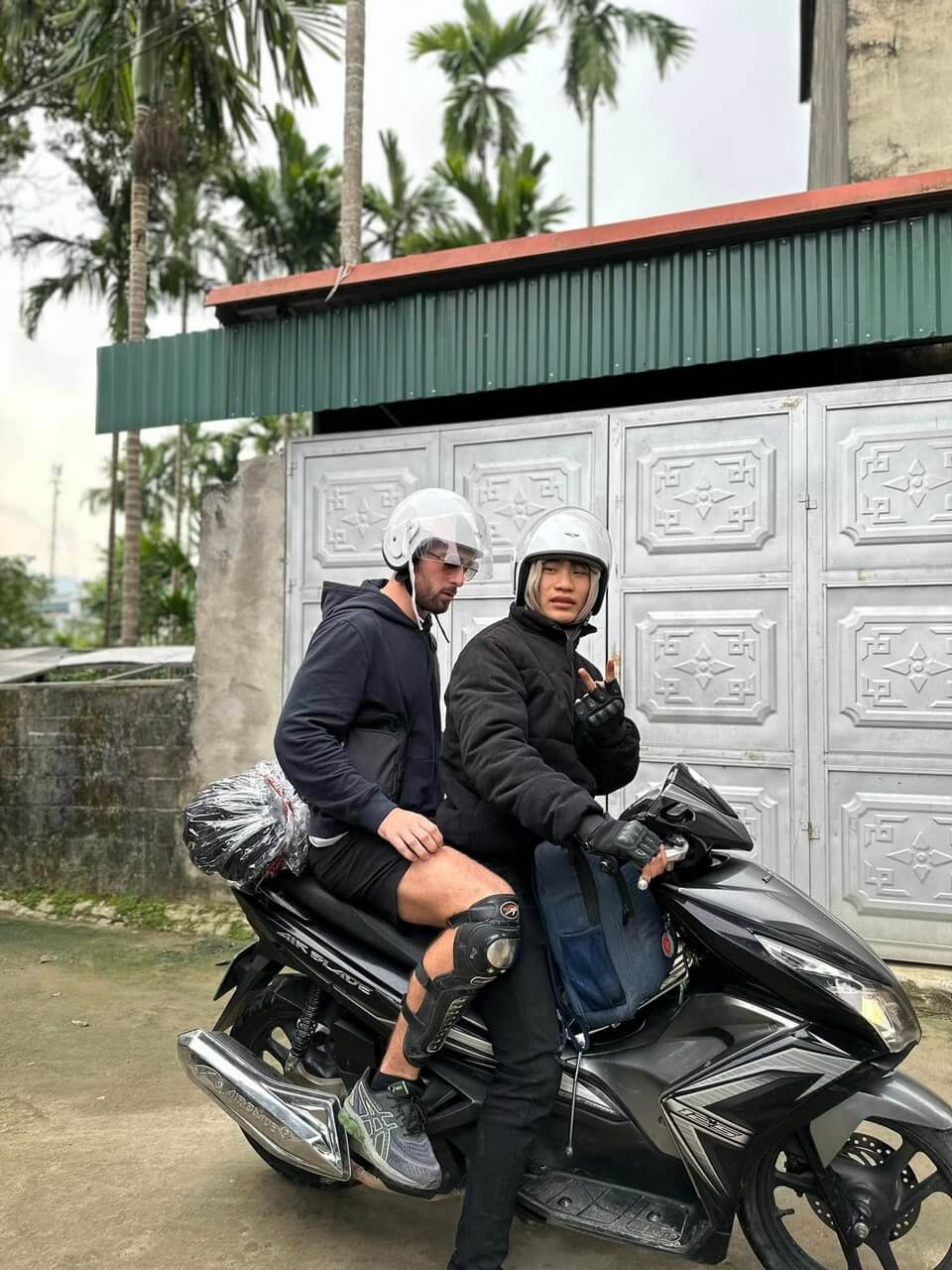
Self-Driving vs. Easy Rider: The Best Choice for February
A 4-day, 3-night trip is ideal for February, as it allows for a more relaxed pace and accounts for shorter daylight hours.
Day 1: Ha Giang City to Dong Van. Stop in Yen Minh for lunch and pass through the stunning Tham Ma Pass. Visit Sung La Valley to see the peach blossoms.
Day 2: Dong Van to Meo Vac via Ma Pi Leng Pass. Start early to try and beat the fog. This is the most epic part of the loop. Spend time in Meo Vac.
Day 3: Meo Vac to Du Gia. Travel along a different, more remote road. The village of Du Gia is incredibly peaceful and beautiful.
Day 4: Du Gia to Ha Giang City. A final morning enjoying the countryside before heading back to the city, completing the loop.
To give you the full picture, it's helpful to see how February stacks up against other popular times to visit. The best time to visit Ha Giang really depends on what you're looking for.
The peak season from September to November is famous for its golden rice terraces and pleasant, dry weather. The views are often crystal clear, and the temperatures are comfortable. However, it is also the most crowded time of year. February offers: A completely different color palette (pinks and whites of flowers vs. gold of rice), far fewer people, a more serene atmosphere, and the unique cultural experience of Tet. The trade-off is the cold and the risk of fog.
The summer months are hot, humid, and wet. The landscape is a lush, vibrant green, and waterfalls are at their most powerful. However, heavy rains can make roads slippery and increase the risk of landslides. February offers: A much drier and safer experience. While you might get some drizzle, you won't face the torrential downpours or road hazards of the rainy season. The cold of February is often preferable to the intense heat and humidity of summer for many riders.
Embarking on the Ha Giang Loop in February is a decision to choose raw beauty over easy comfort. It's for the traveler who wants to see a landscape transformed by winter's touch, to witness the explosion of spring flowers against a backdrop of ancient mountains, and to feel the quiet, profound soul of this incredible region without the usual crowds.
Let's do a quick recap. A trip to Ha Giang in February means:
Embracing the cold: Pack smart with layers and proper gear.
Witnessing rare beauty: The peach and plum blossoms are a sight to behold.
Prioritizing safety: An Easy Rider is the highly recommended choice for winter conditions.
Experiencing authentic culture: Enjoy the festive Tet atmosphere and the tranquility of fewer tourists.
Traveling the Ha Giang Loop in February is less about chasing perfect weather and more about experiencing the changing rhythm of the mountains. The combination of cool air, blooming flowers, misty valleys, and peaceful roads creates a journey that feels slower, more emotional, and deeply memorable.
At the same time, February weather in Ha Giang can still be unpredictable, especially in higher mountain areas. Having experienced local support makes the trip far more comfortable and enjoyable. With Mikey Ha Giang, you’ll travel with a team that understands the region through every season - from the best spring viewpoints and flower valleys to safer riding routes during colder mornings and foggy conditions.
Whether you choose an Easy Rider experience or a guided motorbike tour, Mikey Ha Giang helps you discover a more authentic version of the Ha Giang Loop in February - one filled with culture, scenery, and unforgettable moments along the road.