Have you ever wondered what stories lie behind the majestic limestone peaks of Northern Vietnam? Ha Giang culture is a vibrant tapestry woven by 17 ethnic groups living amidst the clouds. This guide from Mikey Ha Giang takes you beyond the scenic loops to understand the resilient soul of the highlanders. Get ready to uncover a world where tradition dictates the rhythm of life.
Ha Giang is often called the "frontier of clouds," but its true wealth lies in its people. Living in the majestic Dong Van Karst Plateau culture, distinct ethnic groups have created a kaleidoscope of traditions. You will find that the Ha Giang ethnic minorities are the true guardians of this land.
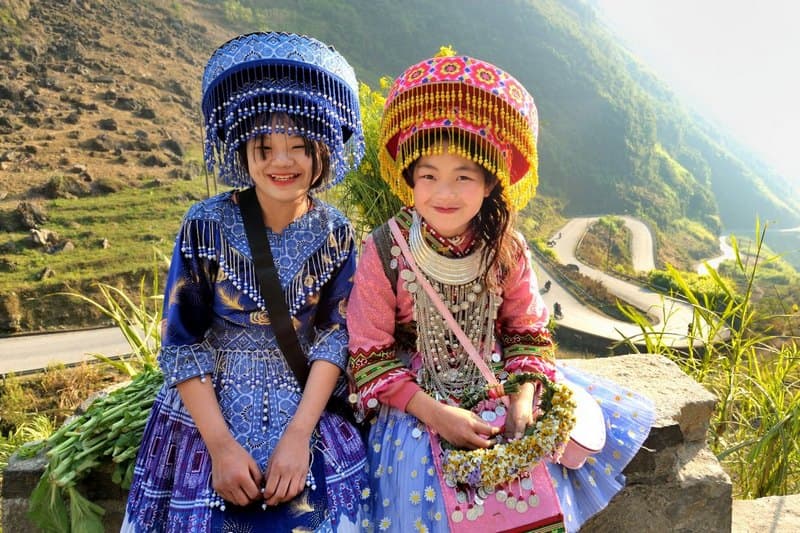
Ethnic Minorities in Ha Giang contribute to a unique cultural fabric. The Hmong are the largest group, known for their independence and vibrancy. You will also meet the gentle Tay people in the valleys and the colorful Dao people on the slopes. Smaller groups such as the Lo Lo and Pu Peo add rare threads to this mix. Their coexistence creates a harmony that you can feel the moment you arrive.
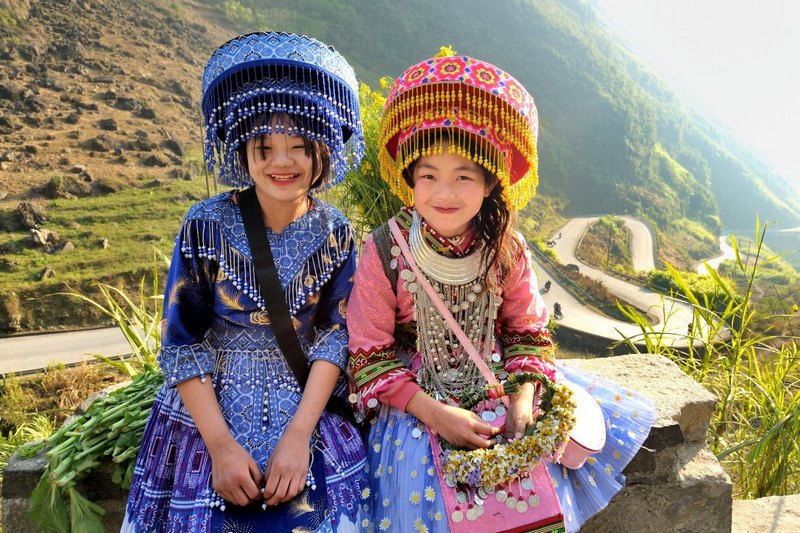
The Hmong people in Ha Giang
Life here is a testament to human resilience against harsh nature. The local customs are not just for show; they are survival strategies passed down for generations.
You might wonder how anything grows on these sheer gray cliffs. The answer lies in extreme patience and skill.
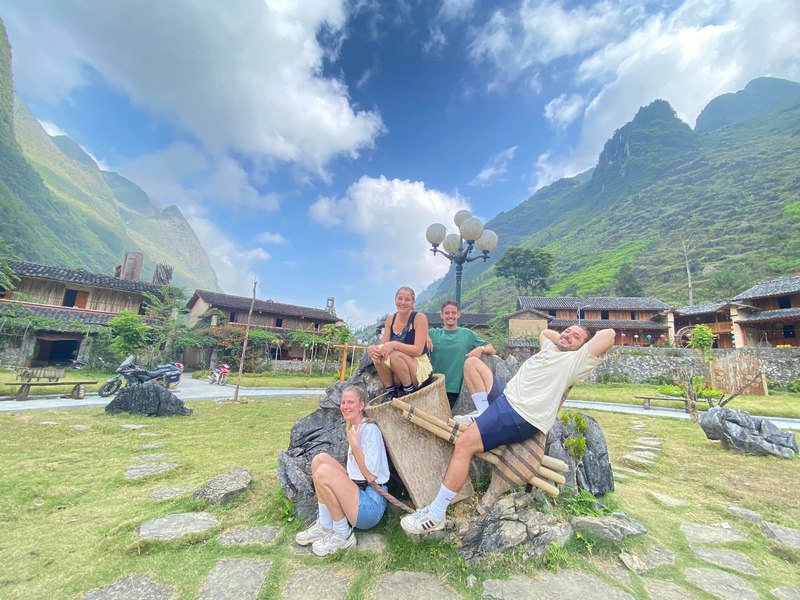
Lo Lo Chai Village
Fashion in Ha Giang is a language. You can tell a person's village, marital status, and ethnicity just by looking at their outfit.
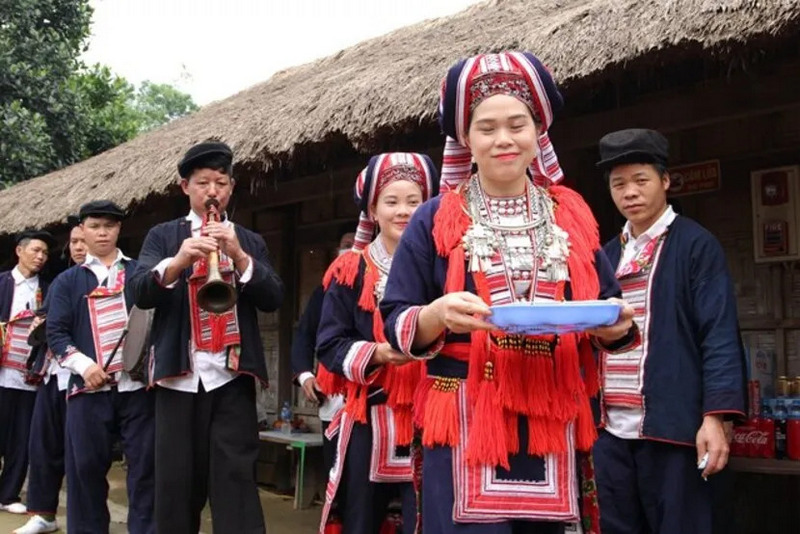
Dao People in Traditional Cloth
The homes here are built to withstand the mountain climate. They blend perfectly with the landscape.
If you want to see the heartbeat of the highlands, you must visit a market. These are social festivals, not just trading posts.
Every Sunday, the old quarter wakes up to a riot of colors. Thousands of people descend from the mountains. You will see men trading buffalo and drinking corn wine while women shop for colorful threads. It is the best place to observe the community spirit.
This market feels like a step back in time. We love the authenticity here. Locals bring everything from pigs to farming tools. The atmosphere is raw and less touristy. You can sit down, try some local food, and watch the world go by.
This is the most poetic event in the region. Held only once a year, the Khau Vai Love Market is not for buying goods. It is for ex-lovers to meet. They come to talk, sing, and share memories of their past romance. It is a respectful and touching display of human emotion unique to this region.
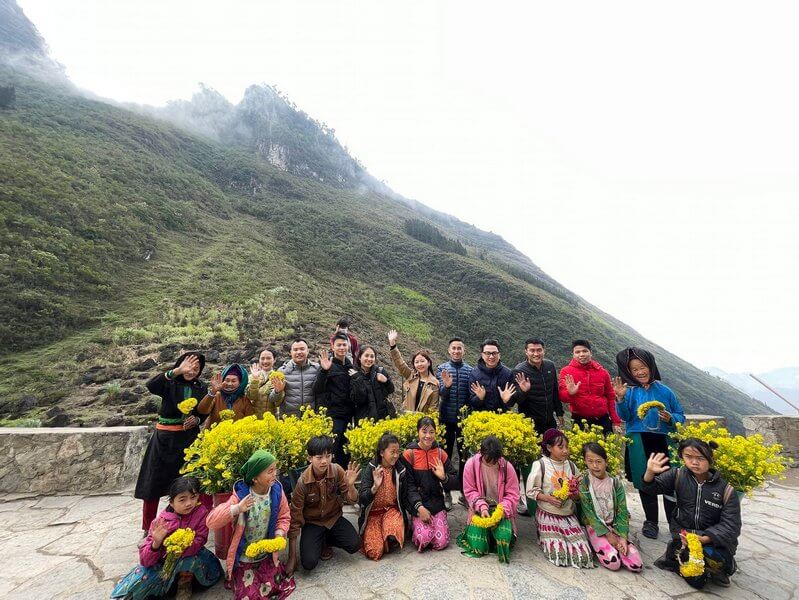
Khau Vai Love Market
You haven't truly arrived until you taste the food. Ha Giang traditional food is simple, robust, and warms you from the inside out.
Corn wine is the "water of life" here. Every house has a jar. You should sip it slowly; it is strong! For a lighter snack, try the Buckwheat Cake. It is made from the purple flowers you see everywhere and has a subtle, nutty flavor.
Ha Giang is beautiful year-round, but specific times reveal different cultural layers.
Spring (after Lunar New Year) is the best time for Ha Giang festivals. You can witness the Gau Tao festival of the Hmong or the Long Tong festival of the Tay. The villages come alive with folk games, dancing, and music. If you want a cultural homestay Ha Giang experience, this is the time to book.
Ha Giang is more than a destination; it is a feeling. From the rocky peaks to the warm smiles, this land changes you. We hope this guide helps you prepare for a deep dive into this northern heritage. Are you ready to sip corn wine with the locals? Let us know your thoughts in the comments below!
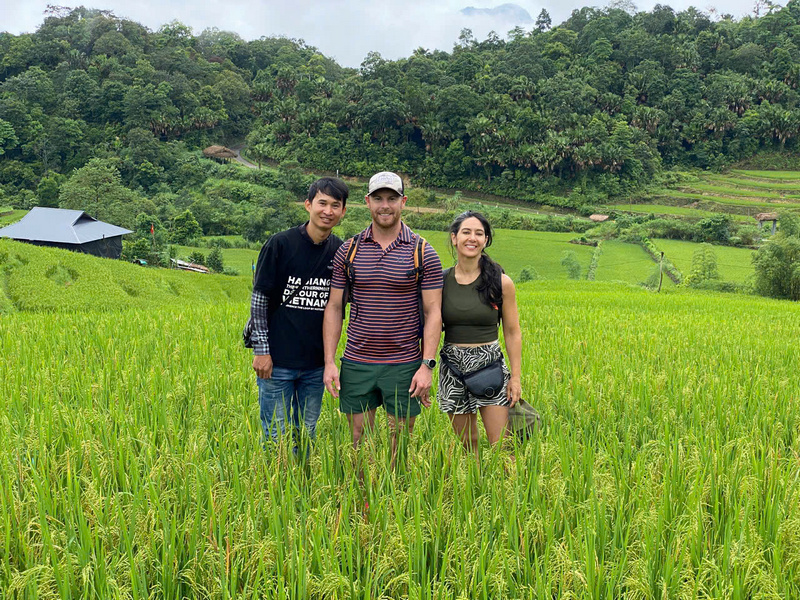
Beautiful Weather in Farming Season in Ha Giang
Exploring Ha Giang culture offers more than beautiful landscapes — it reveals the soul of Vietnam’s northern highlands. From ancient customs to vibrant markets and the resilient spirit of ethnic communities, every village and mountain pass carries a story worth discovering. To experience these cultural treasures with deeper insight and complete peace of mind, Mikey Ha Giang provides guided tours, local connections, and curated routes that help you see Ha Giang through the eyes of the people who call it home. Whether you travel for history, tradition, or an authentic human connection, Ha Giang will leave you with memories that last long after the journey ends.