
If you are searching for an authentic Ha Giang experience beyond dramatic mountain passes, Du Gia Market is a destination you should not miss. This weekly highland market is more than a place for trade. It is where daily life, traditions, and human connections converge in their purest form. Hidden deep in the limestone valleys of northern Vietnam, Du Gia Market preserves the rhythm of mountain life that has remained unchanged for generations. This guide will help you understand when to visit, what to see, and how to experience the market in a meaningful way.
Knowing the exact location and schedule is essential because Du Gia Market does not operate daily like markets in the lowlands. Planning correctly allows you to witness the market at its most vibrant moment.
Du Gia Market is located in Du Gia Commune, Yen Minh District, Ha Giang Province. The market sits at the center of the commune, acting as a meeting point for villagers from surrounding hamlets scattered across valleys and mountain slopes.
The most important thing to remember is the market day. Du Gia Market takes place only once a week, every Saturday morning. The market begins early, often before sunrise, and reaches its liveliest atmosphere between 7:00 AM and 9:00 AM. By late morning, the crowd gradually disperses as people return to their villages.
This weekly rhythm gives the market a sense of anticipation. For local communities, market day is not only about selling produce. It is the highlight of the week, a chance to reconnect, exchange news, and maintain social bonds.

Where Is Du Gia Market and When Does It Take Place?
Stepping into Du Gia Market feels like entering a living cultural exhibition. The market space transforms into a vivid mosaic of colors, sounds, and emotions that reflect the identity of Ha Giang’s ethnic minorities.
You will encounter H’Mong, Dao, Tay, and other groups dressed in their finest traditional clothing. Each outfit carries cultural meaning, from embroidered patterns symbolizing nature to colors indicating marital status or community origin.
Voices blend in multiple dialects. Laughter echoes across stalls. Bargaining happens gently, often accompanied by smiles rather than urgency. Children run freely between vendors, their cheeks rosy from the mountain air.
Men gather around small cups of corn wine, sharing stories and warming themselves against the morning chill. Women trade vegetables, textiles, and household goods while chatting about harvests and family matters. This atmosphere makes Du Gia Market feel genuine and deeply human, unlike markets designed solely for tourism.
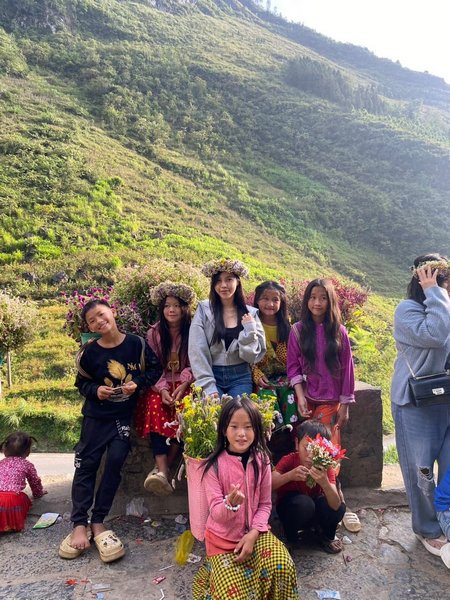
Du Gia Market – A Colorful Crossroads of Highland Cultures
Exploring Du Gia Market is like opening a series of small cultural doors. Each section reveals a different aspect of mountain life that has evolved in harmony with nature.
The agricultural area showcases the abundance of the surrounding landscape. Most items come directly from home gardens, forest foraging, or small farms.
You will find freshly harvested vegetables grown without chemicals, seasonal fruits, bamboo shoots, wild mushrooms, and fragrant forest herbs. Jars of raw honey display rich golden hues, reflecting nectar collected from highland flowers.
Livestock trading also takes place nearby. Free-range chickens, black pigs, and ducks are brought for exchange, demonstrating how farming remains central to local livelihoods.
Food plays a vital role in the experience of Du Gia Market. The aroma of simmering dishes drifts through the air, inviting visitors to pause and taste.
Thang Co, a traditional stew cooked in large iron pans, reflects communal cooking traditions. Men Men, steamed corn flour, represents the staple diet of the H’Mong people. Corn wine adds warmth and fosters connection among strangers sharing the same table.
Sweet snacks such as buckwheat cakes, sticky rice, and traditional desserts appear throughout the market. Sitting down for a simple meal allows you to understand Ha Giang culture through flavor rather than explanation.
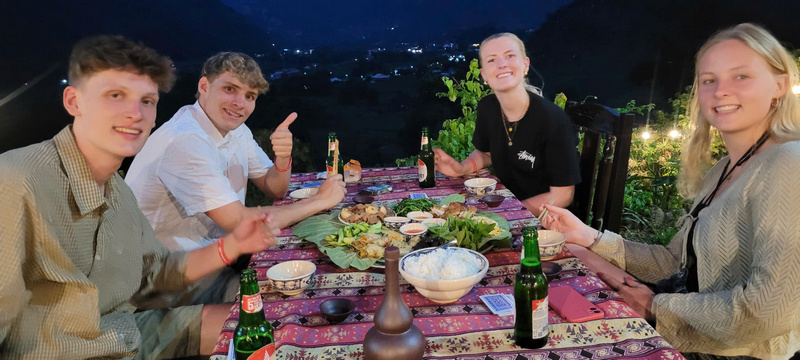
A Culinary Corner That Tells Stories
The most visually striking section is the textile area. Handwoven fabrics, scarves, skirts, and bags display intricate embroidery completed over months of careful work.
Each item tells a story of patience, heritage, and skill passed from mothers to daughters. Purchasing these crafts supports local artisans while preserving traditions that face modern challenges.
A successful visit requires preparation. These insights will help you enjoy Du Gia Market respectfully and comfortably.
Arrive early. Between 7:00 AM and 9:00 AM, the market is at its peak. Early hours also provide softer light for photography and cooler temperatures.
From Ha Giang City, most travelers reach Du Gia via Quan Ba and Yen Minh. Motorbikes offer flexibility, but roads include steep passes and sharp curves. Ensure your vehicle is in good condition.
For visitors unfamiliar with mountain driving, guided transport is a safer option.
Du Gia offers peaceful homestays surrounded by rice fields, streams, and limestone hills. Staying overnight allows you to experience both the market and evening village life. Booking is recommended on weekends.
After exploring the market, you can enrich your journey by visiting several nearby attractions to make the experience even more memorable:
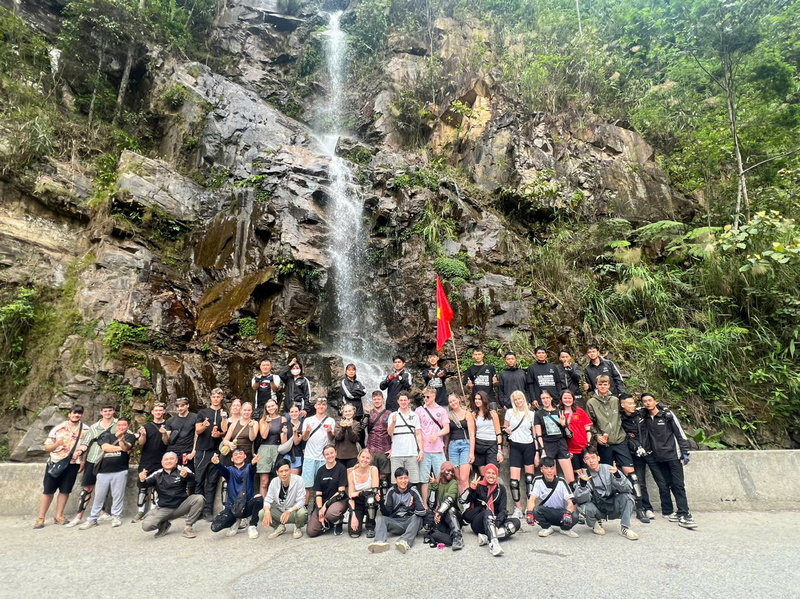
Du Gia Waterfall (Ba Tien Waterfall)
The journey to Du Gia Market is not just a trip, but an opportunity to connect with authentic cultural values and the raw, understated beauty of Ha Giang. Hopefully, these insights will help you plan a truly fulfilling and well-balanced adventure.
Du Gia Market represents the soul of Ha Giang in its most unfiltered form. In just a few hours, you can observe daily life, taste traditional food, admire handmade crafts, and connect with people who live closely with nature.
However, reaching the market independently can be challenging due to remote roads and limited signage. For travelers seeking a deeper, safer, and culturally informed experience, many choose to explore Du Gia Market as part of a curated Ha Giang journey.
With local guides, flexible itineraries, and transport suited for mountain terrain, Mikey Ha Giang helps visitors move beyond surface sightseeing. Their tours combine weekly markets, ethnic villages, terraced fields, and hidden landscapes into a meaningful cultural adventure. If you are looking for a Ha Giang trip that feels authentic rather than rushed, Du Gia Market with Mikey Ha Giang is an experience worth considering.