

Planning a trip and wondering about Cao Bang weather by month? Understanding the seasonal weather is the key to choosing the best time for waterfalls, mountain trekking, ethnic village visits, or photography. From cool spring mornings and lush summer landscapes to golden autumn scenery and misty winter mountains, each month offers a unique travel experience. This month-by-month guide from Mikey Ha Giang will help you decide exactly when to visit Cao Bang based on your interests and travel style.
Located in the far north of Vietnam, Cao Bang features a humid subtropical climate, characterized by distinct seasons that significantly influence the travel experience. Unlike the simpler wet and dry seasons found in the south, Cao Bang's weather is more varied, with noticeable temperature shifts throughout the year. Being aware of these patterns is fundamental to planning a successful trip.

An Overview of Cao Bang's Climate
The Cao Bang climate can be broadly divided into two main periods. The Cao Bang rainy season typically runs from June to August. During these months, the region experiences higher temperatures, increased humidity, and the majority of its annual precipitation. Conversely, the dry season spans from December to February, bringing cooler, sometimes cold, temperatures and significantly less rainfall.
The transitional months of spring (March-May) and autumn (September-November) offer a blend of these conditions, often presenting some of the most comfortable weather for exploration.
To give you a clearer picture, here is a general overview of the Cao Bang average temperature and precipitation levels you can expect. Keep in mind that these are averages, and actual conditions can vary, especially in a mountainous region.
|
Month |
Average Temperature (°C) |
Precipitation Level |
General Conditions |
|
Jan - Feb |
12°C - 19°C |
Low |
Cold and dry, often overcast |
|
Mar - May |
18°C - 28°C |
Moderate |
Warm and getting more humid |
|
Jun - Aug |
25°C - 32°C |
High |
Hot, humid, with frequent rain |
|
Sep - Nov |
20°C - 27°C |
Moderate to Low |
Cooling down, less rain, clear skies |
|
Dec |
14°C - 21°C |
Low |
Cool and dry |
Diving deeper into the specific months can help you fine-tune your travel dates. Each season in Cao Bang offers a unique landscape and a different set of experiences. Are you hoping for lush greenery or golden rice fields? Let's explore what each period holds.
Spring marks a pleasant transition out of the cold winter. Temperatures gradually rise, making it comfortable for outdoor activities. While rainfall begins to increase towards May, it's generally not as intense as the summer monsoons. The landscape comes alive with fresh green foliage, making it a visually appealing time to visit.
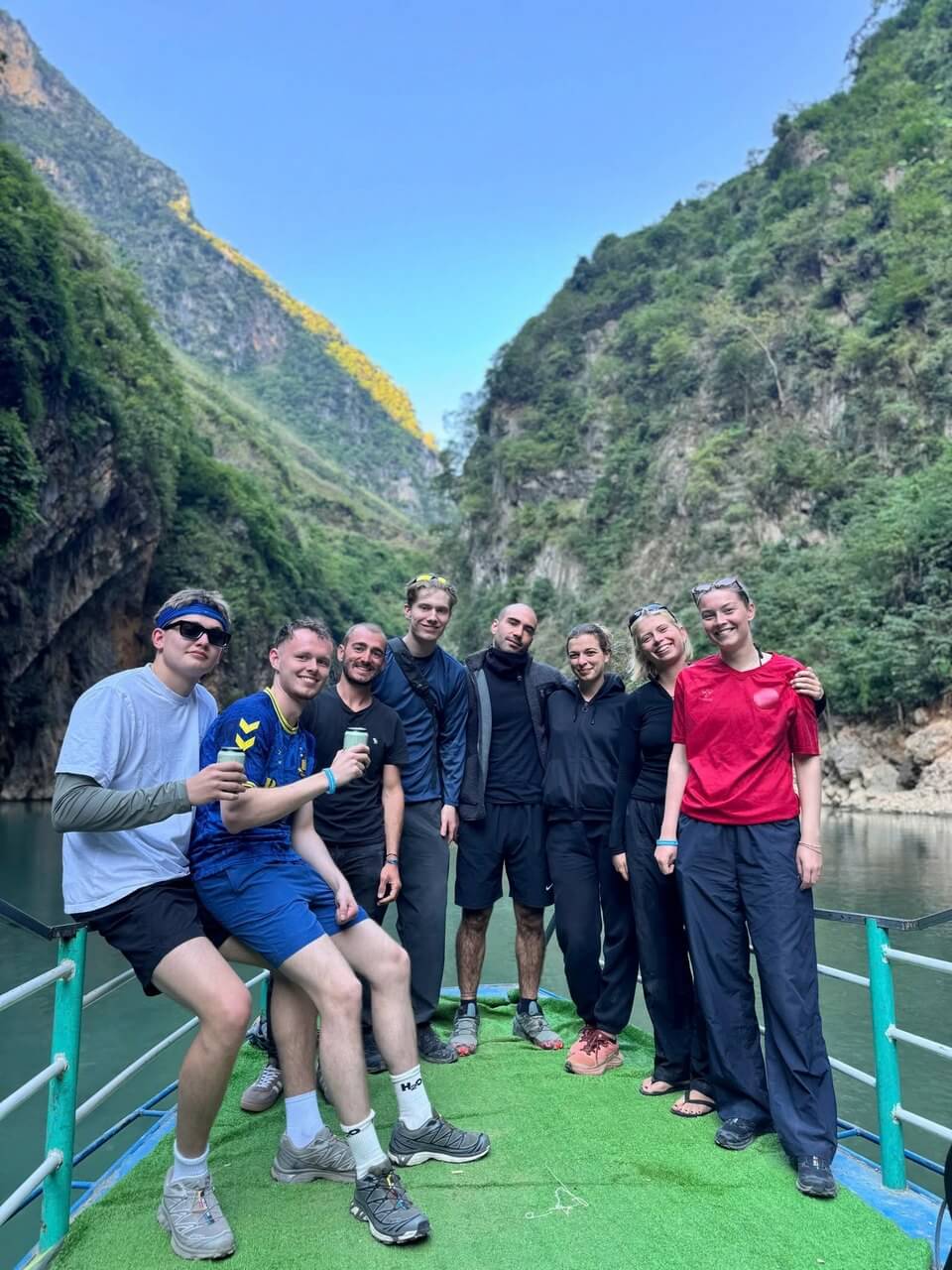
Spring Weather Conditions (March - May) in Cao Bang
Summer is characterized by heat, high humidity, and significant rainfall. Heavy downpours, often in the afternoon, are common. While this can sometimes disrupt travel plans, it's also the period when the region's waterfalls, including Ban Gioc, are at their most powerful. The landscape is intensely green and vibrant, though trails can become muddy and slippery.

Summer Weather and the Rainy Season (June - August) in Cao Bang
Many travelers find autumn to be a highly favorable time to visit Cao Bang. The rains subside, humidity drops, and temperatures become mild and comfortable. The skies are often clear and blue, providing excellent conditions for photography and sightseeing. A highlight of this season is the rice harvest. Visiting Cao Bang in October allows you to witness the stunning golden rice terraces before they are gathered.

Autumn's Mild Weather (September - November) in Cao Bang
Winter in Cao Bang is cool to cold and predominantly dry. Daytime temperatures can be pleasant, but evenings and early mornings are chilly. In the higher mountainous areas, such as Phia Oac, te mperatures can drop close to freezing, and frost is common. While rare, a light dusting of snow has been recorded on the highest peaks during particularly cold spells.
Winter Weather and Potential for Snow (December - February) in Cao Bang
The weather directly impacts the scenery and accessibility of Cao Bang's main attractions. Aligning your visit with the right conditions can greatly enhance your experience.
The appearance of Ban Gioc Waterfall changes dramatically with the seasons. The ban gioc waterfall weather influences both water volume and color.
June to August: During the rainy season, the waterfall is at its most powerful and voluminous, creating a truly impressive spectacle. However, the water can be cloudy and brown due to sediment.
September to May: In the drier months, the water volume is lower, but the color is often a striking emerald green or turquoise. This period can offer clearer views and more placid conditions.
For those interested in Cao Bang's agricultural beauty, timing is everything. The golden rice harvest season typically occurs from late September to mid-October. This is when the terraced fields turn a brilliant yellow, creating breathtaking landscapes in areas like Phong Nam and Ngoc Con. Late autumn may also feature fields of buckwheat flowers, adding another layer of color to the scenery.
If your itinerary includes trekking or caving, the dry seasons are generally more suitable. From September to April, trails are drier and safer. During the wet season (June-August), paths can be slippery and challenging. Always check local conditions before embarking on a long trek, regardless of the season.
Knowing what to pack for Cao Bang depends heavily on your travel dates. The key is to be prepared for the specific conditions of the season.
For visits in late spring and early autumn, focus on lightweight and breathable clothing.
Light cotton t-shirts and long-sleeved shirts for sun protection.
Comfortable trousers or hiking pants.
A wide-brimmed hat, sunglasses, and sunscreen.
A light jacket for cooler evenings.
If traveling between June and August, waterproof gear is crucial.
A reliable waterproof jacket or poncho.
Quick-drying clothes.
Footwear with good grip suitable for wet conditions.
A waterproof bag or cover for electronics and valuables.
From December to February, layering is the most effective strategy.
A thermal base layer.
Fleece or wool mid-layers for insulation.
A windproof and warm outer jacket.
Warm socks, a scarf, beanie, and gloves, especially for early mornings and evenings.
Here are answers to a few frequently asked questions that can help you finalize your plans.
The autumn months, from September to November, are often regarded as having very pleasant conditions due to the combination of moderate temperatures, lower rainfall, and clear skies. Spring, from March to April, also offers comfortable weather before the summer heat and rains arrive.
Yes, but it is a rare event. Snowfall is not seen in Cao Bang city but can occasionally occur on the highest mountain peaks, like Phia Oac, during the coldest parts of winter when a strong cold front moves through.
Weather is the primary factor. The rainy season (summer) creates a powerful, wide, and thunderous waterfall. The dry season (autumn through spring) results in a calmer, multi-tiered waterfall with clearer, emerald-colored water, which many find highly photogenic.
Cao Bang is a destination that changes beautifully throughout the year. Whether you're hoping to see Ban Gioc Waterfall at its most powerful, capture the vibrant colors of autumn, or enjoy the peaceful atmosphere of the mountain villages, knowing the Cao Bang weather by month allows you to plan the perfect itinerary and make the most of every day.
For a hassle-free adventure, let Mikey Ha Giang take care of everything. Our professionally designed Cao Bang tours combine the region's most spectacular natural wonders with authentic local experiences, ensuring you travel at the ideal time of year with expert local guidance. Book your journey with Mikey Ha Giang and discover the beauty of Cao Bang in every season.