
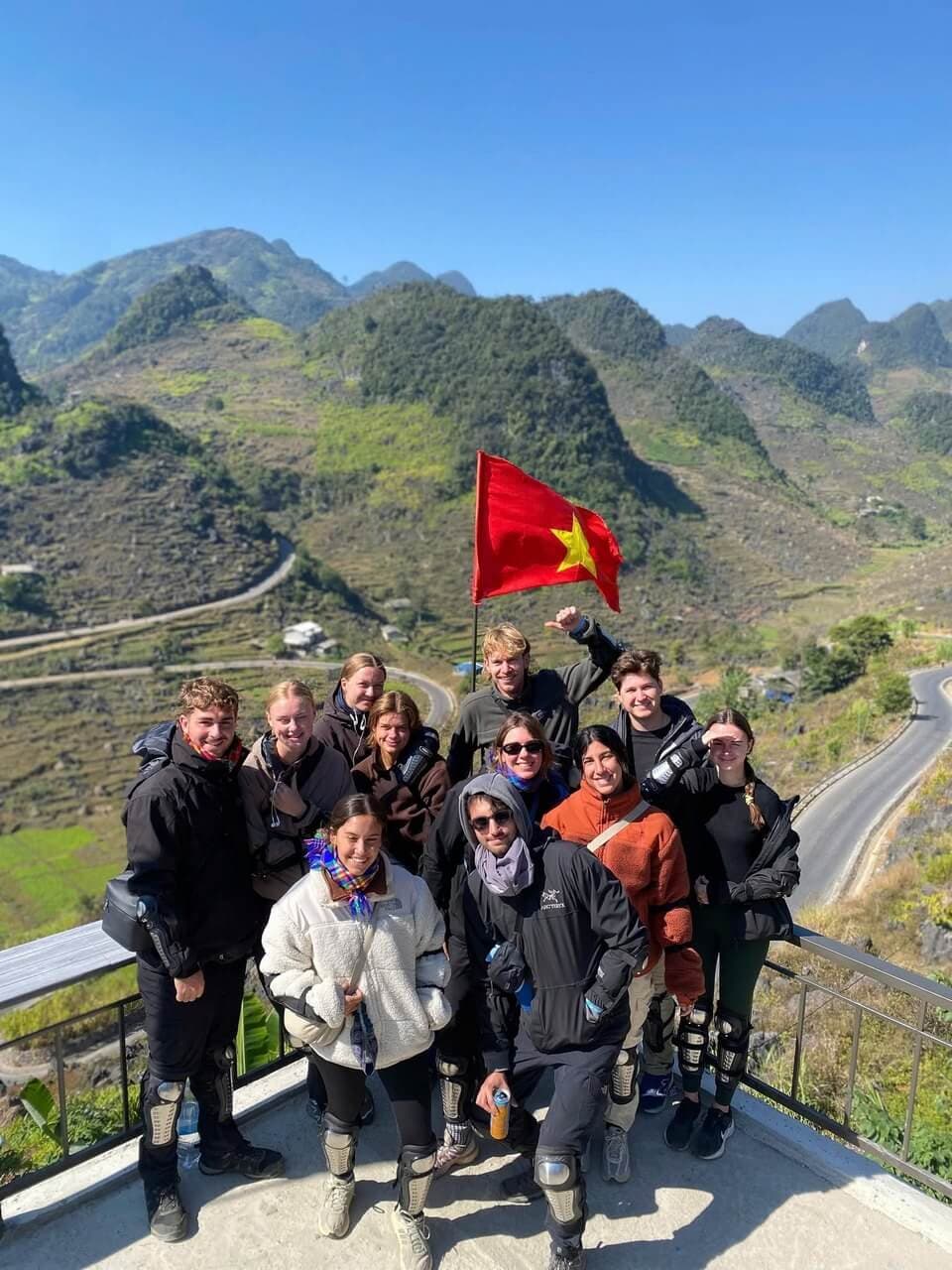
Looking beyond waterfalls and mountain roads? The Cao Bang ethnic villages reveal a quieter and more meaningful side of Northern Vietnam. Home to Tay, Nung, Dao, Hmong, and other ethnic communities, these villages offer the chance to experience traditional houses, local markets, handmade crafts, regional food, and daily life that has been preserved for generations. In this guide, Mikey Ha Giang will help you discover the most memorable villages in Cao Bang and show you how to explore them respectfully, safely, and authentically.
When people think about Cao Bang, the first images that usually come to mind are the majestic Ban Gioc Waterfall or the mysterious beauty of Nguom Ngao Cave. However, the true soul of this northern mountain region is often found somewhere quieter - inside traditional stilt houses, through the sound of blacksmith hammers, and in the warm smiles of local communities.
Exploring Cao Bang ethnic villages is not simply about visiting another tourist attraction. It is a journey into the living culture of Northern Vietnam, where generations of traditions, craftsmanship, and local stories continue to exist in everyday life.
For travelers who want to go beyond sightseeing, these villages offer a deeper connection with the people, history, and heritage of this incredible borderland.
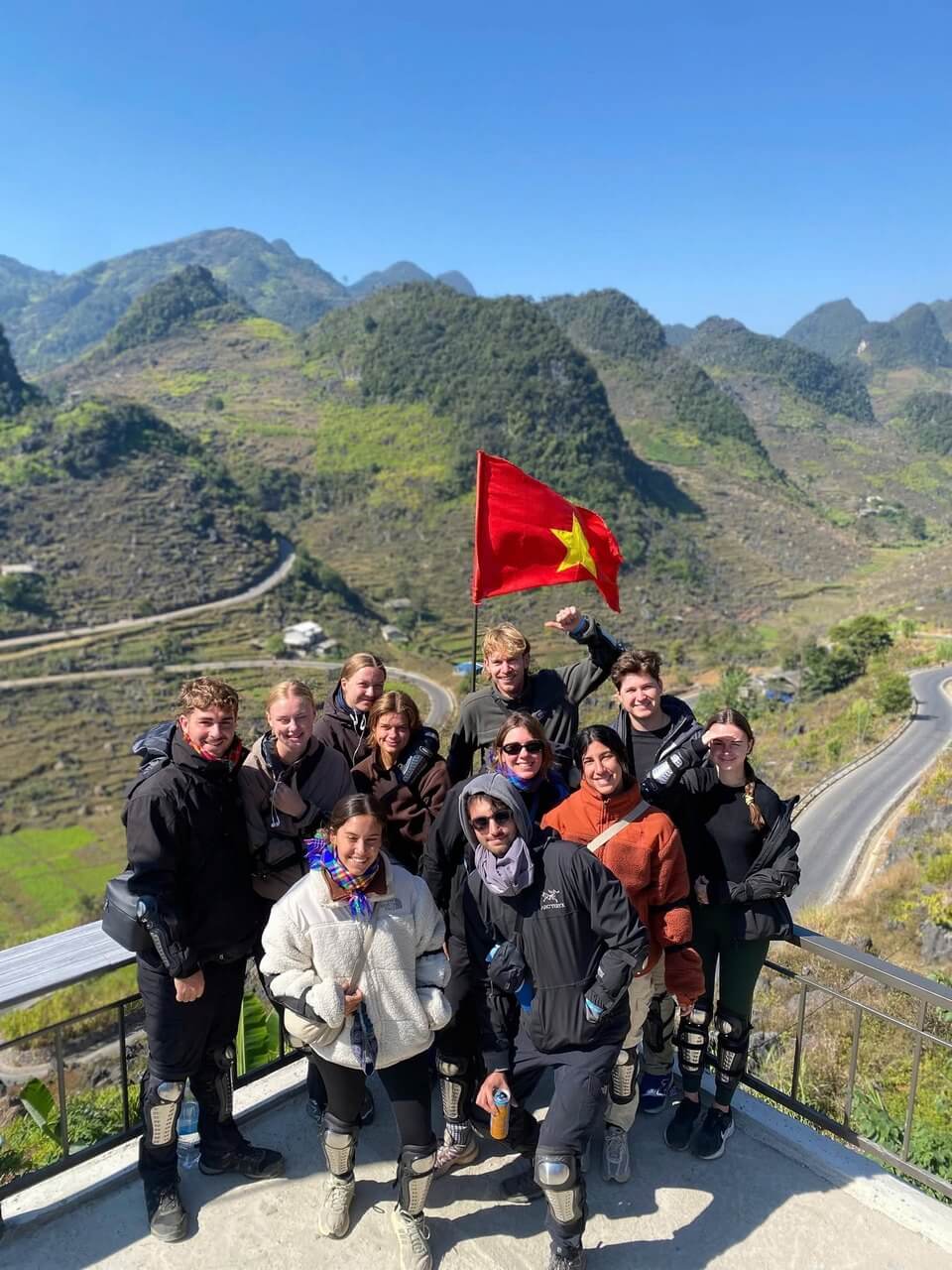
Why Cao Bang's Ethnic Villages Are a Must-See Cultural Treasure
Cao Bang is home to many ethnic communities, creating one of the most diverse cultural landscapes in Northern Vietnam. Each group contributes its own traditions, language, clothing, architecture, and way of life.
The Tay people are the largest ethnic group in Cao Bang. They are well known for their peaceful villages, traditional stilt houses, and beautiful folk singing traditions such as Then and Sli melodies. Their lifestyle is closely connected to rivers, rice fields, and the surrounding mountains.
Another important community is the Nung people, including different groups such as Nung An and Nung Giang. They are famous for their strong cultural identity and traditional craftsmanship, especially handmade products passed down through many generations.
Besides the Tay and Nung communities, Cao Bang is also home to other ethnic groups, including:
Hmong people.
Dao people.
San Chay people.
Other smaller mountain communities.
Each ethnic group adds a unique color to Cao Bang’s cultural identity, making every village visit a different experience.
The Non Nuoc Cao Bang UNESCO Global Geopark is not only recognized for its dramatic limestone mountains and geological wonders. It is also a place where nature and human culture have existed together for centuries.
The ethnic villages inside this region are not museums created for tourism. They are living communities where daily life continues naturally:
Farmers still work in their fields.
Craftsmen continue traditional skills.
Families preserve their customs and festivals.
Ancient knowledge is passed from one generation to another.
Visiting these villages gives you the opportunity to experience a form of heritage that cannot be displayed behind glass. You are not only seeing Cao Bang - you are understanding the stories, traditions, and people that make this region special.
Located only about 2 kilometers from Ban Gioc Waterfall, Khuoi Ky Stone Village feels like stepping into another time. Hidden beside a peaceful stream and surrounded by limestone mountains, this ancient Tay village is one of the most iconic cultural destinations in Cao Bang.
For travelers interested in cultural tourism, Khuoi Ky represents the perfect harmony between human creativity and the natural environment.
The most unique feature of Khuoi Ky Stone Village is its traditional stone architecture.
Unlike ordinary wooden houses, the Tay people here use locally sourced limestone to build almost every part of their homes, including:
Stone walls.
Fences.
House foundations.
Supporting structures.
Combined with traditional yin-yang tiled roofs, these houses create a unique architectural style that has lasted for generations.
The stone houses are not only beautiful but also practical. They stay cool during hot summers and warmer during colder mountain winters.
Walking through the quiet stone paths of Khuoi Ky, you can feel a rare atmosphere that is difficult to find in modern destinations - peaceful, authentic, and deeply connected to the surrounding landscape.
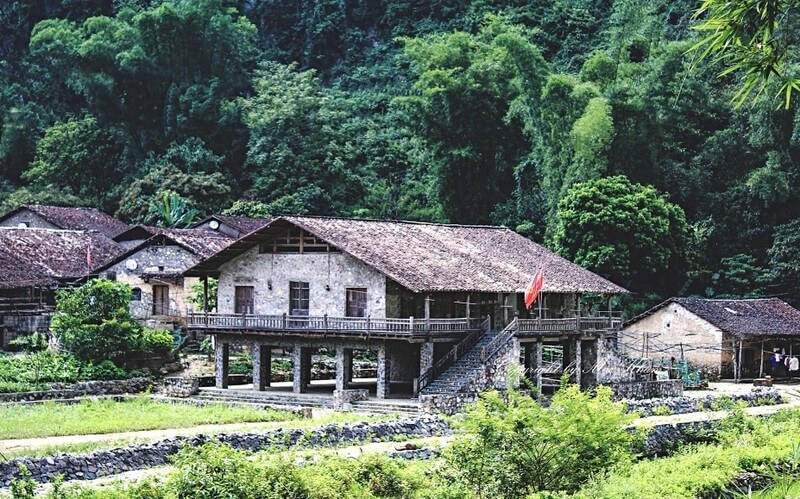
What is Khuoi Ky Stone Village Known For?
Life in Khuoi Ky moves slowly and remains closely connected to nature. Most families still maintain traditional lifestyles through farming, raising animals, and preserving local customs.
Staying in the village allows you to experience daily life with the Tay community instead of simply observing from the outside.
During your visit, you may have the chance to:
Taste traditional Tay dishes such as black sticky rice, ant egg cake, and smoked sausage.
Join simple local activities like collecting vegetables or exploring nearby streams.
Listen to traditional Then singing and stories from village elders.
But what makes the experience truly unforgettable is the hospitality of the people. A simple family dinner, a conversation with your host, or a quiet evening inside a traditional house often becomes the most memorable part of a Cao Bang homestay experience.
One of the biggest advantages of Khuoi Ky Village is its location.
As one of the best villages near Ban Gioc Waterfall, it allows travelers to explore the famous waterfall without rushing. From the village, it only takes a few minutes to reach Ban Gioc, meaning you can visit during quieter times such as early morning or late afternoon.
Staying here also makes it easy to combine several nearby attractions:
Ban Gioc Waterfall.
Nguom Ngao Cave.
Truc Lam Ban Gioc Pagoda.
Surrounding ethnic villages.
Because of this, Khuoi Ky is not only a place to stay - it becomes an important part of the entire Cao Bang travel experience.
Leaving behind the peaceful stone houses of Khuoi Ky, your cultural journey through Cao Bang continues to a completely different world - one filled with fire, steel, and the rhythmic sound of hammers.
Located in Quang Hoa District, Phuc Sen Forging Village is home to the Nung An ethnic community and one of the most famous traditional craft villages in Northern Vietnam. For hundreds of years, generations of local blacksmiths have preserved the art of handmade knife forging, turning a simple daily tool into a symbol of cultural pride.
Visiting Phuc Sen is not about seeing a staged performance. It is about stepping into a real working village where ancient techniques are still practiced every day.
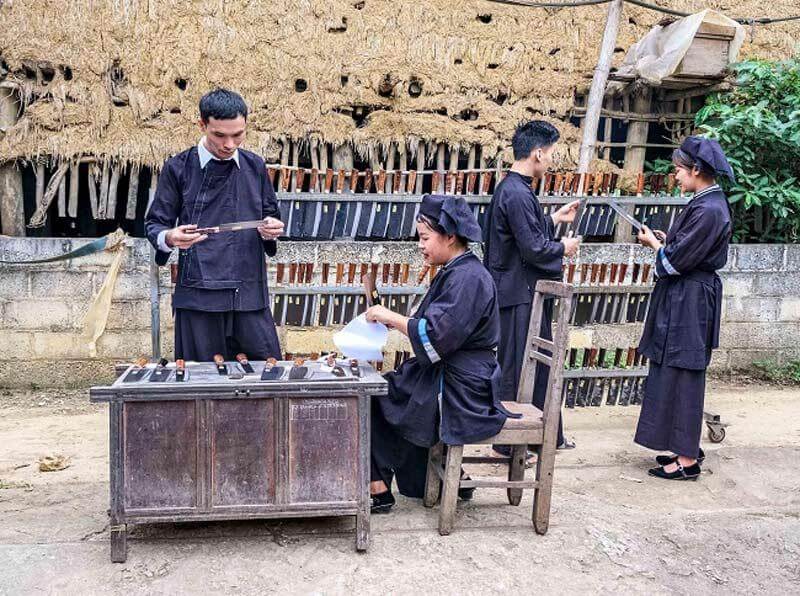
Phuc Sen Forging Village: The Resilient Spirit of the Nung An
In Phuc Sen, blacksmithing is much more than a way to earn a living. It is a family tradition, a cultural identity, and a skill passed carefully from fathers to sons over many generations.
The Nung An craftsmen are famous for creating strong and incredibly sharp knives using traditional methods. Interestingly, many knives are made from recycled materials such as old vehicle springs, which are transformed through heat, strength, and years of experience.
Every step requires patience and precision:
Selecting the right type of metal.
Heating it at extremely high temperatures.
Hammering and shaping the blade by hand.
Hardening and sharpening the final product.
There are no large machines or modern factories here. Each knife carries the mark of the person who created it.
Thanks to this dedication, Phuc Sen knives have become famous across Vietnam for their durability and quality. The village remains one of the best examples of how traditional Vietnamese craftsmanship continues to survive in the modern world.
Walking into a traditional forge in Phuc Sen is an experience that engages all your senses.
You will immediately feel the heat from the burning coal, hear the powerful rhythm of hammers hitting metal, and watch skilled craftsmen turn rough materials into beautifully finished tools.
Unlike many tourist attractions, everything here is real. The people you meet are not performers - they are local artisans continuing the work their families have done for generations.
During your visit, you can:
Watch the complete knife-making process.
Learn about traditional Nung An forging techniques.
Talk with local craftsmen (usually with help from a guide).
Purchase handmade knives directly from the makers.
Bringing home a knife from Phuc Sen is not just buying a souvenir. It means carrying a small piece of Cao Bang’s cultural heritage with you.
Beyond Khuoi Ky and Phuc Sen, Cao Bang is home to many other traditional villages that preserve unique skills and customs.
Each village tells a different story. Some are connected to spiritual traditions, others to clothing, daily tools, or local lifestyles. Visiting these places helps you understand that Cao Bang’s beauty is not only found in mountains and waterfalls, but also in the hands of its people.
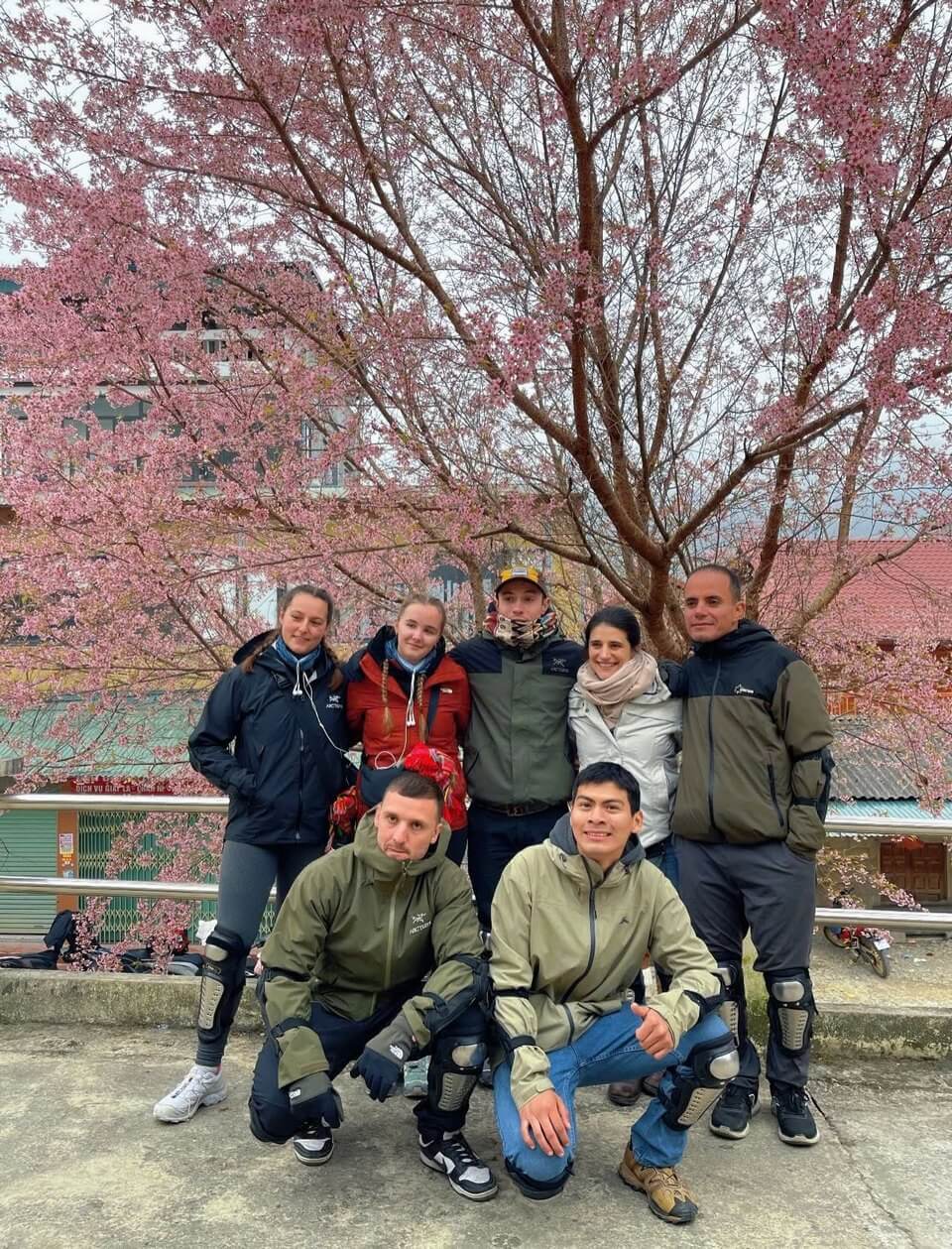
Exploring Other Traditional Craft Villages
Located in Phuc Sen Commune, Pac Rang Incense Village (also known as Phja Thap Incense Village) is another beautiful example of Nung An craftsmanship.
Here, local families continue the traditional method of making handmade incense from natural materials. Instead of industrial chemicals, they use ingredients collected from nearby forests, creating incense with a gentle and natural fragrance.
One of the most impressive sights in the village is seeing hundreds of bright red incense sticks drying under the sun. Courtyards and village paths become filled with color, creating one of the most photogenic scenes in Cao Bang.
A visit to Pac Rang allows you to:
Learn how traditional incense is handmade.
Understand its cultural and spiritual importance.
Support local families who preserve this craft.
Capture beautiful photos of everyday village life.
It is a peaceful stop that reveals another side of Cao Bang’s cultural diversity.
Textile weaving and indigo dyeing have always played an important role in the cultural identity of Cao Bang’s ethnic communities, especially among the Tay, Nung, and Dao people.
Although weaving villages here may not be as large or commercial as in some other regions, the traditions remain deeply connected to daily life.
In many villages, you can still see women sitting beside wooden looms, carefully creating fabrics decorated with meaningful patterns. These designs are not just decoration - they often represent stories about nature, family, and ethnic identity.
If you visit local markets, take time to look for handmade textile products such as:
Traditional scarves.
Handwoven bags.
Indigo clothing.
Decorative fabrics.
Buying these products is not only a way to bring home a meaningful souvenir, but also a way to support local artisans and help preserve traditional crafts.
Exploring Cao Bang ethnic villages is not only about visiting beautiful places or taking photos. The most valuable experiences often come from small moments - sharing a meal with a local family, listening to traditional stories, or watching artisans continue skills that have existed for generations.
To truly understand Cao Bang’s culture, the way you travel matters. Choosing local experiences and respecting community traditions will make your journey much more meaningful.
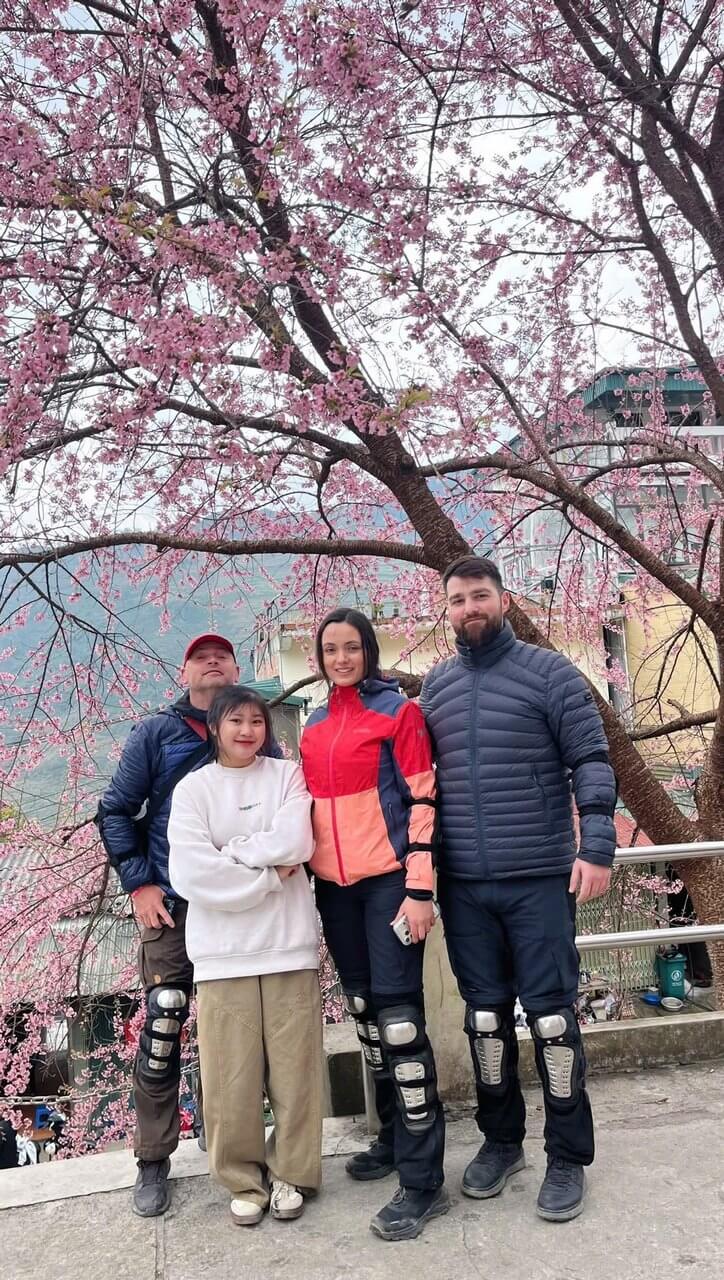
How to Experience Local Culture Authentically in Cao Bang
Staying at a local homestay is one of the best ways to experience the authentic lifestyle of Cao Bang’s ethnic communities.
Instead of simply passing through a village, you become part of daily life. You wake up to mountain views, enjoy homemade meals, and spend evenings talking with your host family.
When choosing a homestay, consider:
Location: Stay inside traditional villages such as Khuoi Ky to experience the local atmosphere more deeply.
Architecture: Choose places that preserve traditional features, such as stone houses or wooden stilt houses.
Guest reviews: Check comments about cleanliness, hospitality, food quality, and overall experience.
A good homestay is not only a place to sleep. It becomes one of the highlights of your Cao Bang journey.
Yes, and this is actually one of the best areas to stay during your Cao Bang trip.
Khuoi Ky Stone Village is among the most popular choices because it offers both cultural experiences and easy access to famous attractions. Many traditional Tay houses have been converted into welcoming homestays while still keeping their original architecture.
Staying near Ban Gioc allows you to easily explore:
Ban Gioc Waterfall.
Nguom Ngao Cave.
Nearby ethnic villages.
Local markets and countryside landscapes.
This gives you the perfect balance between natural wonders and authentic cultural discovery.
The ethnic villages of Cao Bang are real communities, not tourist displays. Showing respect helps create better connections between travelers and local people.
Here are some simple but important things to remember:
Ask before taking photos: Always request permission, especially when photographing elderly people or children.
Dress respectfully: Avoid overly revealing clothing when visiting villages or local homes.
Learn simple greetings: A few words in the local language can create warm and friendly interactions.
Support local businesses: Buy handmade products, eat local food, or use community services instead of giving money directly to children.
Responsible travel helps preserve these beautiful traditions for future generations.
Cao Bang can be visited throughout the year, but each season offers a different experience.
The best time to explore Cao Bang ethnic villages is usually during the dry season from September to April.
Some of the most beautiful periods include:
September – October: Golden rice season with beautiful mountain landscapes.
October – November: Comfortable weather and colorful countryside views.
March – April: Spring season with fresh greenery and blooming flowers.
For transportation, you have several options depending on your travel style:
Motorbike
A great choice for adventurous travelers who want freedom and flexibility. It allows you to stop at hidden viewpoints and explore smaller village roads.
Private car with local driver
Recommended for families, groups, or travelers who prefer comfort. A local driver also helps you discover places that are difficult to find on your own.
Guided local tour
For the most complete experience, traveling with a local guide gives you deeper cultural understanding and easier communication with ethnic communities.
The beauty of the Cao Bang ethnic villages lies not only in their mountain scenery, but also in the people, traditions, and stories that continue to shape daily life. From Tay stilt houses and Nung craft villages to colorful local markets and family meals, every stop offers a deeper understanding of the culture of Northern Vietnam.
Traveling with a trusted local team makes these experiences more meaningful. With Mikey Ha Giang, you can go beyond the usual sightseeing route, meet local families, visit remote communities, and learn about the customs behind each village. Whether you choose an Easy Rider tour, a private car journey, or a customized Cao Bang itinerary, Mikey Ha Giang will help you enjoy a safe, respectful, and unforgettable cultural adventure.