
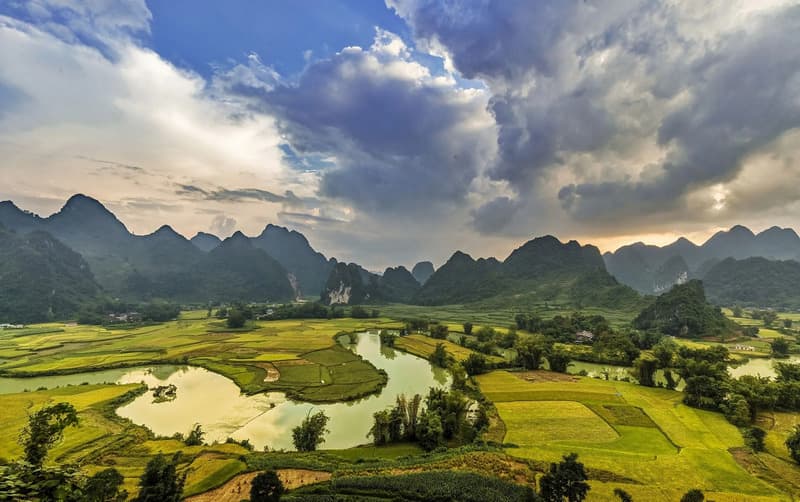
Wondering about the best time to visit Cao Bang? The answer depends on the experience you're looking for. From the emerald waters of Ban Gioc Waterfall in summer to golden rice terraces in autumn and misty mountain landscapes in winter, every season reveals a different side of this spectacular destination. In this guide, Mikey Ha Giang shares the best months to visit Cao Bang, what to expect throughout the year, and practical travel tips to help you plan the perfect adventure.
Cao Bang is a destination that reveals its character differently throughout the year. Its allure isn't confined to a single season, but rather a continuous, evolving display of natural and cultural beauty. Understanding this rhythm is key to planning a truly memorable trip.
Understanding Cao Bang's Appeal Through Its Seasons
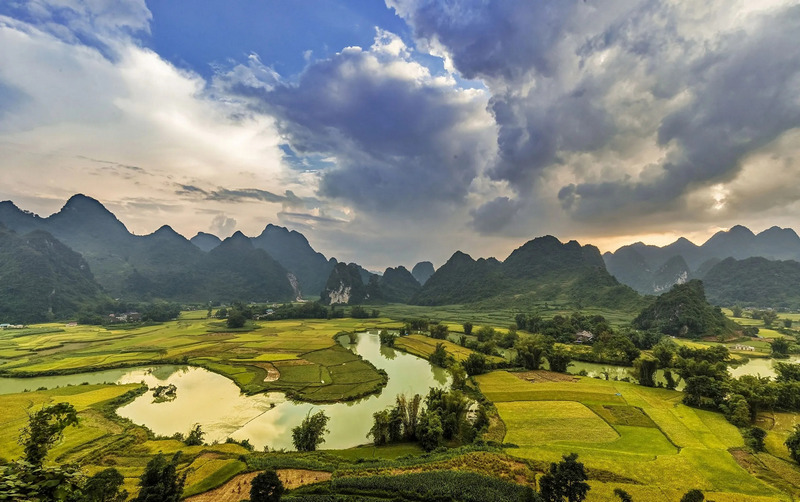
Unlike destinations with a very narrow travel window, Cao Bang offers compelling reasons to visit at various times. The rainy season brings an almost electric vibrancy to the foliage, with mountains and valleys cloaked in deep green. In contrast, the dry season unveils clear, crisp skies, perfect for long-distance views and outdoor adventures. Even the cooler winter months hold a certain magic, with mist weaving through the karsts, creating scenes of quiet contemplation.
A journey to Cao Bang is more than just sightseeing; it's an immersion into a landscape of profound beauty and rich cultural heritage. It's the thrill of navigating the famous Cao Bang loop, the awe of standing before the magnificent Ban Gioc waterfall, and the warmth of encountering the local Tày and Nùng communities. This region offers a rewarding experience for adventurers, photographers, and anyone seeking a connection with one of Vietnam's most authentic and scenic areas.
While every season has its merits, two specific periods stand out for their exceptional combination of natural spectacles and favorable travel conditions. These windows offer what many travelers consider the quintessential Cao Bang experience.
The Two Prime Windows for Visiting Cao Bang
If your primary goal is to witness the Ban Gioc waterfall at its most powerful, this is the time to go. Fed by the summer rains, the Quay Son River swells, and the waterfall transforms into a thunderous, multi-tiered cascade of immense scale. The surrounding landscape is at its peak lushness, with rice paddies forming a vibrant green carpet across the valleys. The weather can still be wet, but the sheer grandeur of the scenery is a compelling trade-off for many.
This period is widely celebrated for its comfortable climate and stunning visuals. As the rainy season subsides, the weather becomes dry, sunny, and pleasantly cool. This is the heart of the golden rice season, when the terraced fields of Trùng Khánh and other districts turn a brilliant shade of yellow, ready for harvest. Adding to the spectacle, late October and November also mark the beginning of the buckwheat flower season, with fields of delicate pink and white flowers creating a photographer's dream.
Cao Bang's climate is subtropical and distinctly divided into two seasons. A clear understanding of these patterns will help you pack appropriately and set realistic expectations for your trip.
This season is characterized by higher temperatures, increased humidity, and significant rainfall, with the heaviest showers typically occurring from June to August. While the rain can cause temporary disruptions and make some rural roads slippery, it is also the lifeblood of the region. This is when the forests, rice paddies, and mountains are at their most vivid and green, and the rivers and waterfalls are full and impressive.
The Rainy Season (May - September): A Time of Vibrant Greenery
From October onwards, rainfall decreases dramatically, and the humidity drops. The weather becomes much more stable and predictable. The months from October to December offer clear skies and mild temperatures. From January to March, it can get quite cold, especially at night and at higher elevations, with occasional drizzle or fog. By April, the temperature begins to warm up again, heralding the return of the wetter season.
The Dry Season (October - April): Clear Skies & Favorable Conditions
Many travelers find that Cao Bang in October strikes an excellent balance. It marks the transition from wet to dry, meaning you often get the best of both worlds. The landscape is still recovering its greenness from the rains, the main rice harvest is underway creating stunning golden scenes, and the weather is generally dry and comfortable for activities like trekking and motorbiking without the intense cold of deep winter.
Your choice of when to visit will directly influence the activities you can enjoy. Here’s a breakdown of how to match your interests with the seasons in this comprehensive Cao Bang travel guide.
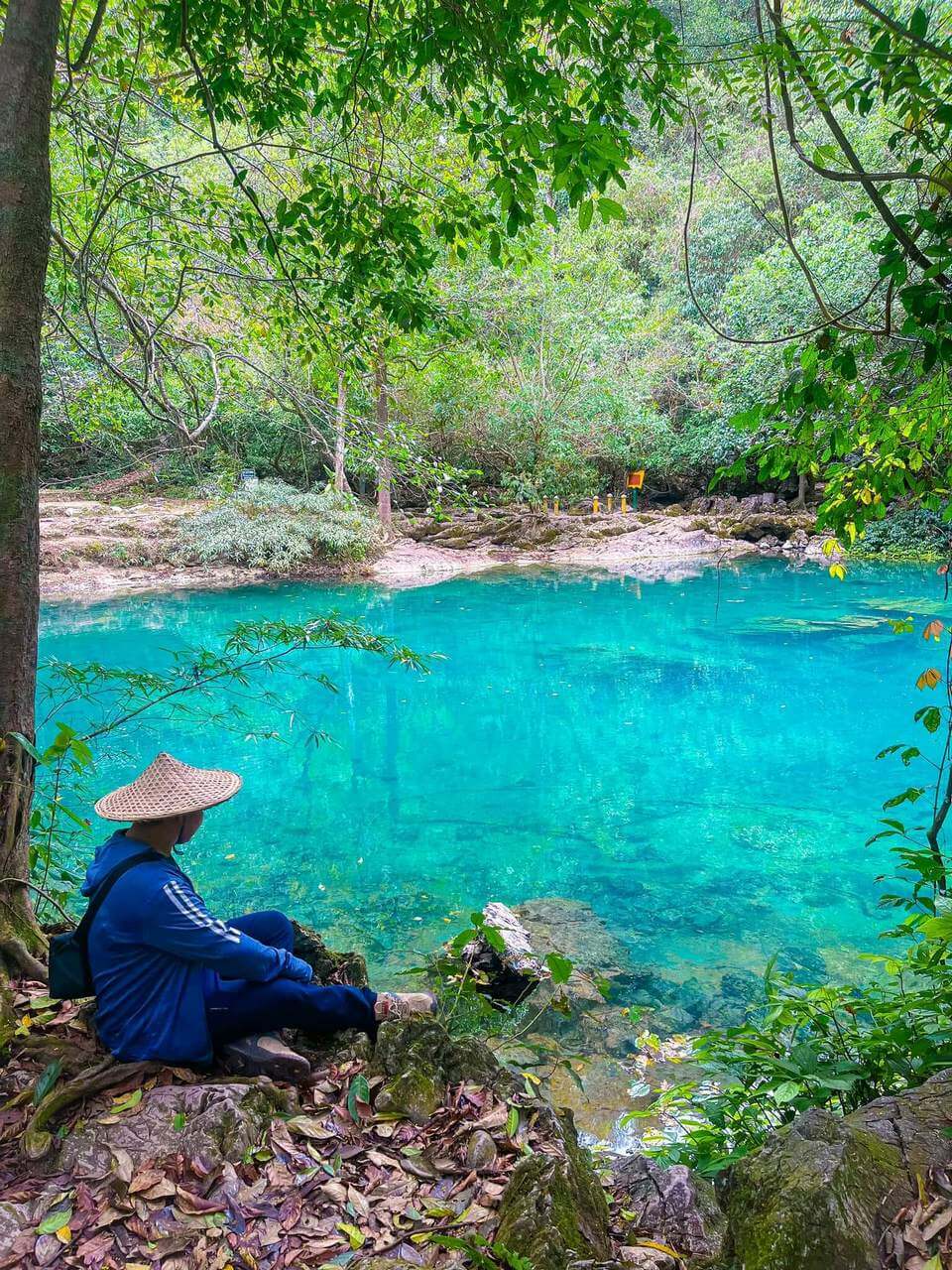
Le Nin Stream in Cao Bang
For those looking to conquer the winding roads of the Cao Bang loop or embark on multi-day treks, the dry season from October to April is highly recommended. The roads are safer, the risk of landslides is minimal, and the clear, cool weather makes for much more comfortable travel. The breathtaking views are also less likely to be obscured by rain or heavy clouds.
Every season offers unique photographic opportunities. To make the most of your camera, consider what you want to capture:
August - September: Focus on the immense power of Ban Gioc waterfall and the deep, saturated greens of the rice paddies under dramatic, cloudy skies.
October - November: This is the prime time for capturing the iconic golden rice season and the delicate beauty of the buckwheat flower season against clear blue skies.
December - February: Embrace the moodier side of Cao Bang. Capture mystical images of fog-filled valleys and the stark, quiet beauty of the winter landscape.
While Cao Bang doesn't have a packed calendar of large-scale tourist festivals, timing your visit with local events can enrich your experience. The harvest season in autumn is a time of activity and quiet celebration in villages. The Lunar New Year (Tết), which falls between late January and February, offers a glimpse into traditional customs, although some services may be limited during this time.
With the timing sorted, let's cover a few practical details to help you finalize your plans for your adventure in northern Vietnam.
To experience the main highlights without rushing, we suggest a trip of at least 3 to 4 days. This allows enough time to travel from Hanoi, explore Ban Gioc waterfall and Ngườm Ngao Cave, and drive a scenic portion of the loop through areas like Trùng Khánh and Quảng Hòa.
The most common way to reach Cao Bang is via an overnight sleeper bus from Hanoi. The journey takes approximately 6-7 hours. For more flexibility, you can hire a private car with a driver or, if you are an experienced rider, rent a motorbike in Hanoi for the ultimate road trip experience.
Your packing list, or what to wear, should be adapted to the season of your visit:
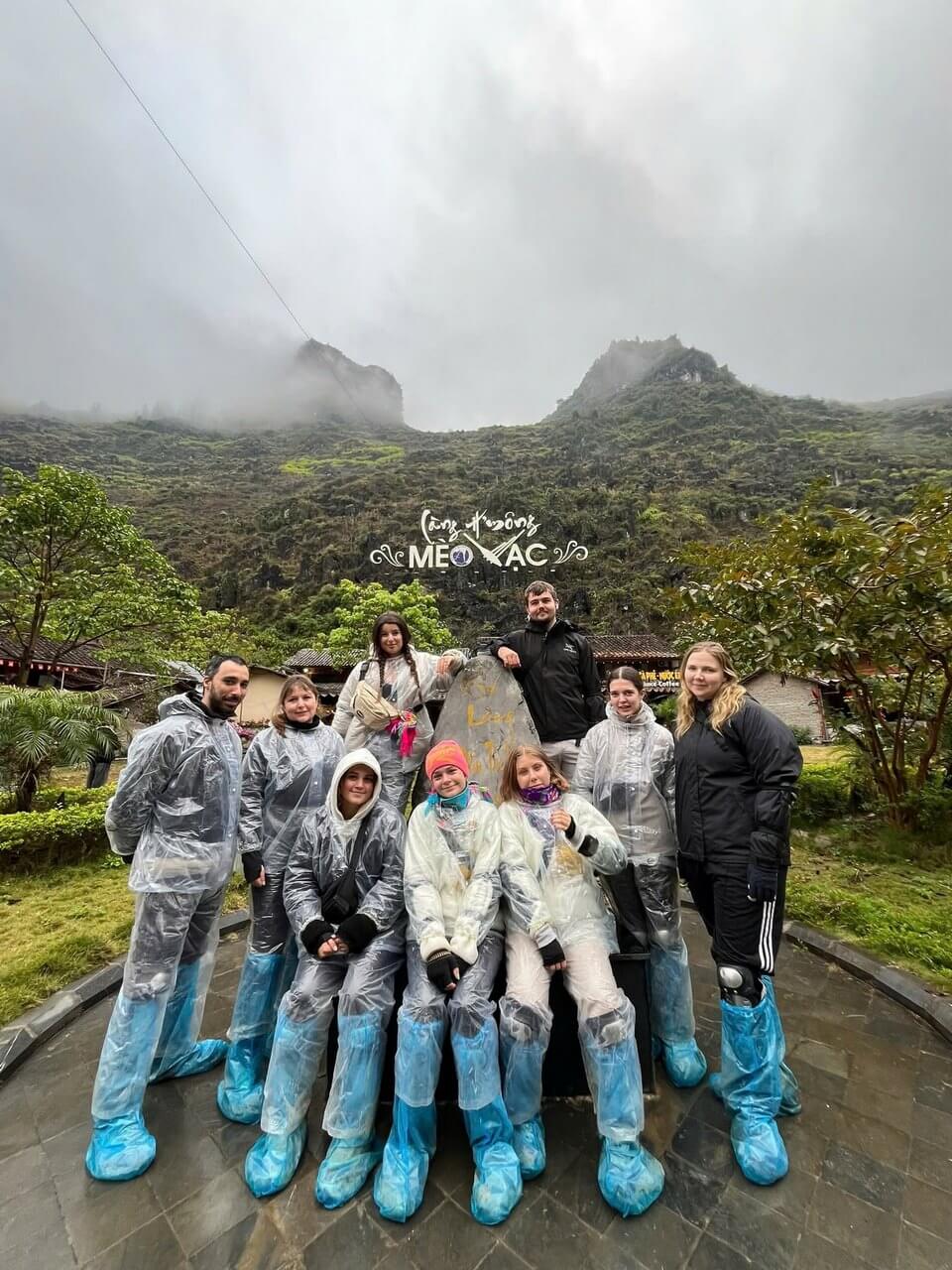
Rainy Season (May - Sep): Pack light, quick-drying clothes, a reliable raincoat or poncho, waterproof footwear or sandals, and insect repellent.
Dry Season (Oct - Apr): Bring layers. T-shirts and a light jacket are fine for sunny days, but you'll need a warm fleece or jacket for the cool evenings and colder winter months (Dec - Feb). Comfortable walking shoes or hiking boots are essential for exploring.
Ultimately, the right time to visit Cao Bang depends on what you want to see and do. Whether you're drawn by the raw power of its waterfalls or the serene beauty of its golden fields, this province offers a deeply rewarding journey at any time of year.
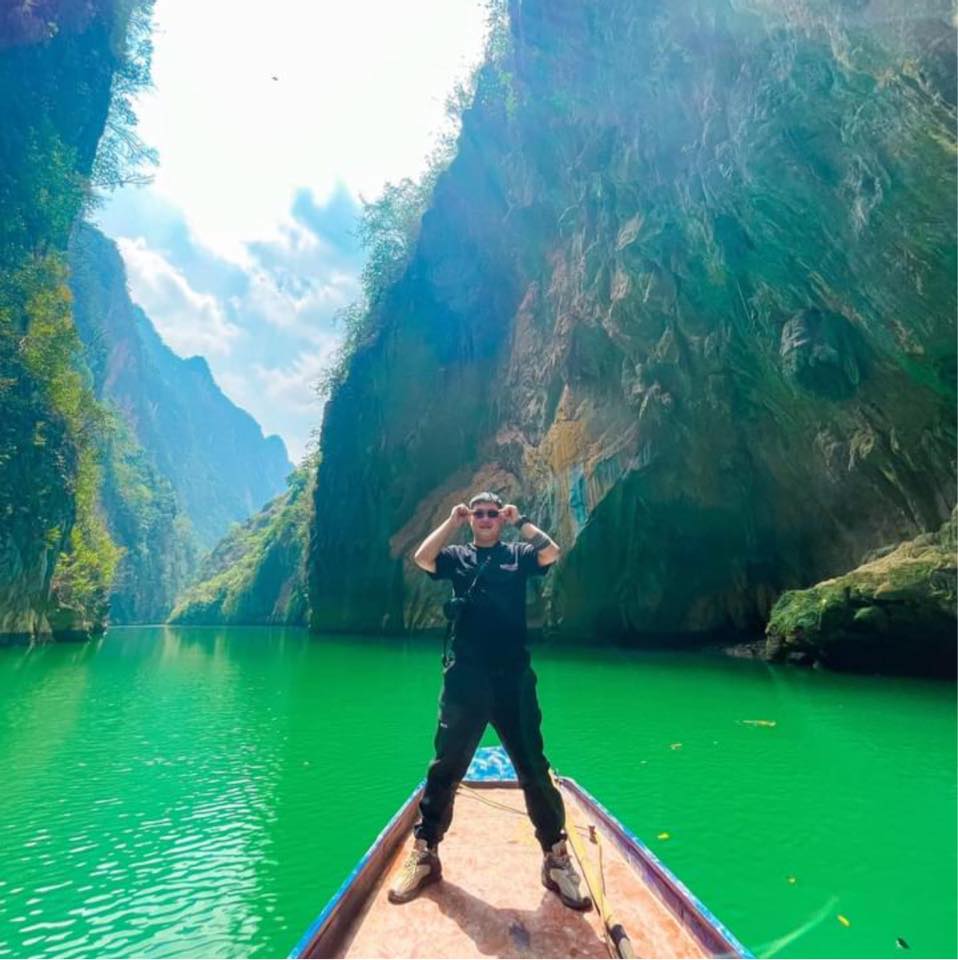
Nho Que River
To simplify your decision, here’s a quick summary:
For the most powerful waterfall views: Aim for August and September.
For golden rice fields and pleasant trekking weather: October and November are excellent choices.
For fewer crowds and cooler temperatures: Consider the winter months from December to February, but be prepared for cold weather.
No matter when you choose to visit, Cao Bang offers breathtaking landscapes, authentic ethnic culture, and unforgettable experiences in every season. The key is selecting the right time based on your travel style, whether you want to chase waterfalls, admire golden rice fields, or enjoy peaceful mountain scenery away from the crowds.
If you'd like to experience the very best of Cao Bang without worrying about transportation, accommodation, or itinerary planning, Mikey Ha Giang is here to help. Our carefully designed tours combine iconic attractions like Ban Gioc Waterfall, Angel Eye Mountain, Thang Hen Lake, and traditional ethnic villages, ensuring a seamless journey guided by knowledgeable local experts. Let us help you discover Cao Bang at its most beautiful and make every moment of your trip truly unforgettable.