Are you planning a trip to the majestic northern mountains but feel unsure about the timing? Choosing the best season to visit Dong Van is the most critical step to ensure a safe and breathtaking experience on the Ha Giang Loop. Mikey Ha Giang will guide you through the weather patterns, unique flower seasons, and local festivals to help you pick your perfect travel dates.
Dong Van is not just a destination; it is a high-altitude experience. Located in the northernmost part of Vietnam, the weather here differs significantly from the tropical climate in the south. We want you to be prepared because the weather on the rocky plateau changes rapidly.
The Ha Giang Loop’s weather is famously unpredictable, yet it follows four distinct seasons. In Dong Van, sitting 1,000 – 1,600 meters above sea level, the air stays cooler than in the lowlands. You might even experience all four seasons in a single day - misty mornings, sunny noons, breezy afternoons, and chilly nights. Understanding Dong Van’s monthly weather patterns helps you pack wisely and prepare for changing road conditions. The mornings can be misty, the noons are sunny, the afternoons get breezy, and the nights turn chilly. Understanding Dong Van weather by month helps you pack the right gear and sets the right expectations for road conditions.
This is the question every traveler asks us. The truth is, Dong Van possesses a unique charm in every season. However, depending on what you want to see-be it flowers, golden rice fields, or cloudy peaks-your ideal time will vary. Let’s break it down.
Many travel experts agree that autumn (September to November) is arguably the best season to visit Dong Van. The weather is cool, dry, and delightful for motorbike riding.
September: This is the season of golden rice terraces. The Hoang Su Phi area and the road to Dong Van turn into a golden painting.
October to November: This is the peak season for tourism. The famous Buckwheat flower season in Ha Giang begins to bloom.
Tiny pink and white flowers cover the rocky valleys. This is the perfect backdrop for your photos. Ha Giang in October offers crisp air and high visibility. You can see the layers of mountains stretching endlessly.
If you love a moody, atmospheric vibe, winter (December to January) is for you. Be warned, it gets very cold. Temperatures can drop below 5 degrees Celsius, and you might even see frost or snow on high peaks.
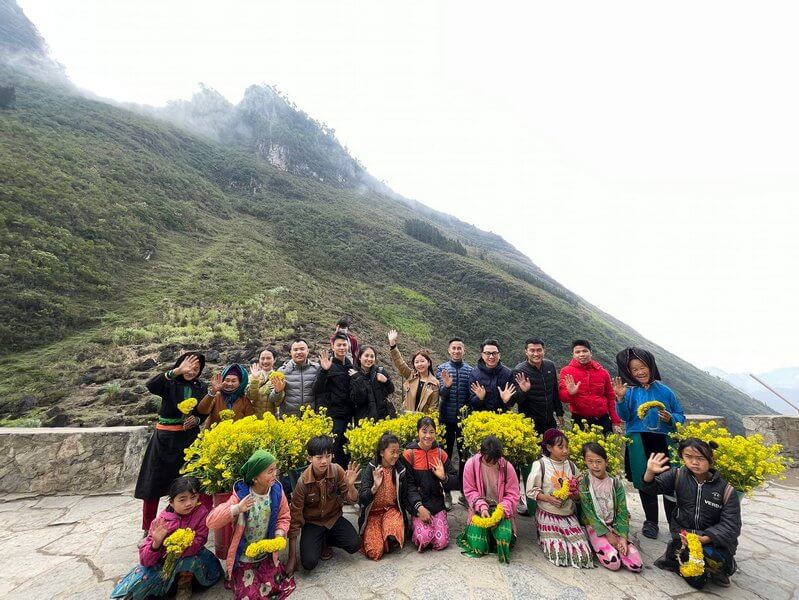
The Dong Van Old Quarter feels magical in the mist. You can sit by a fire, savor hot corn wine, and enjoy the silence. During this time, bright yellow mustard flowers start to bloom, contrasting sharply with the grey rocks. We recommend this season only if you handle cold well and pack heavy thermal layers.
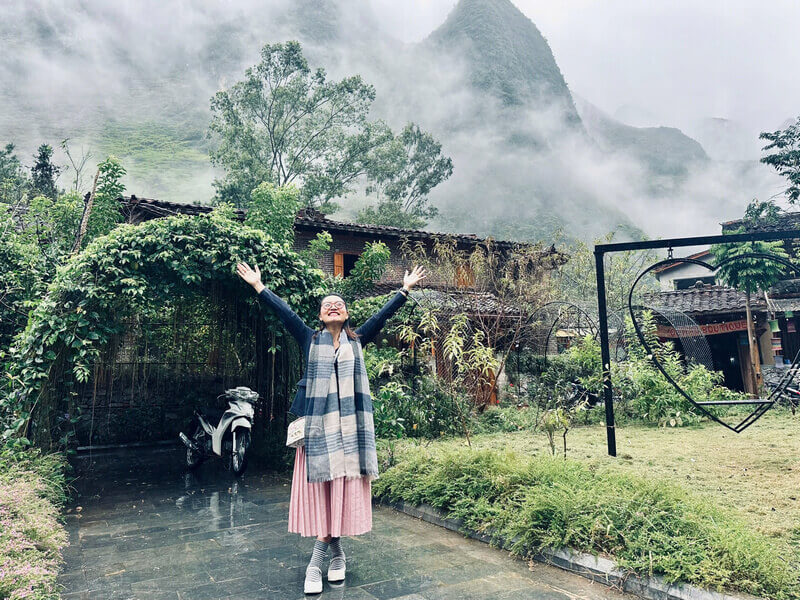
Spring (February to April) brings life back to the plateau. This is a fantastic time for culture lovers and photographers. The harsh cold fades away, replaced by pleasant sunshine.
Peach and Plum Blossoms: The landscape transforms with splashes of pink peach blossoms and white plum flowers.
Lively Atmosphere: Locals celebrate the Lunar New Year with a spirit of joy and happiness.
Riding the legendary Ma Pi Leng Pass in spring is refreshing. The Nho Que River below looks like a turquoise ribbon. The visibility is usually good, making the majestic views of the pass unforgettable.
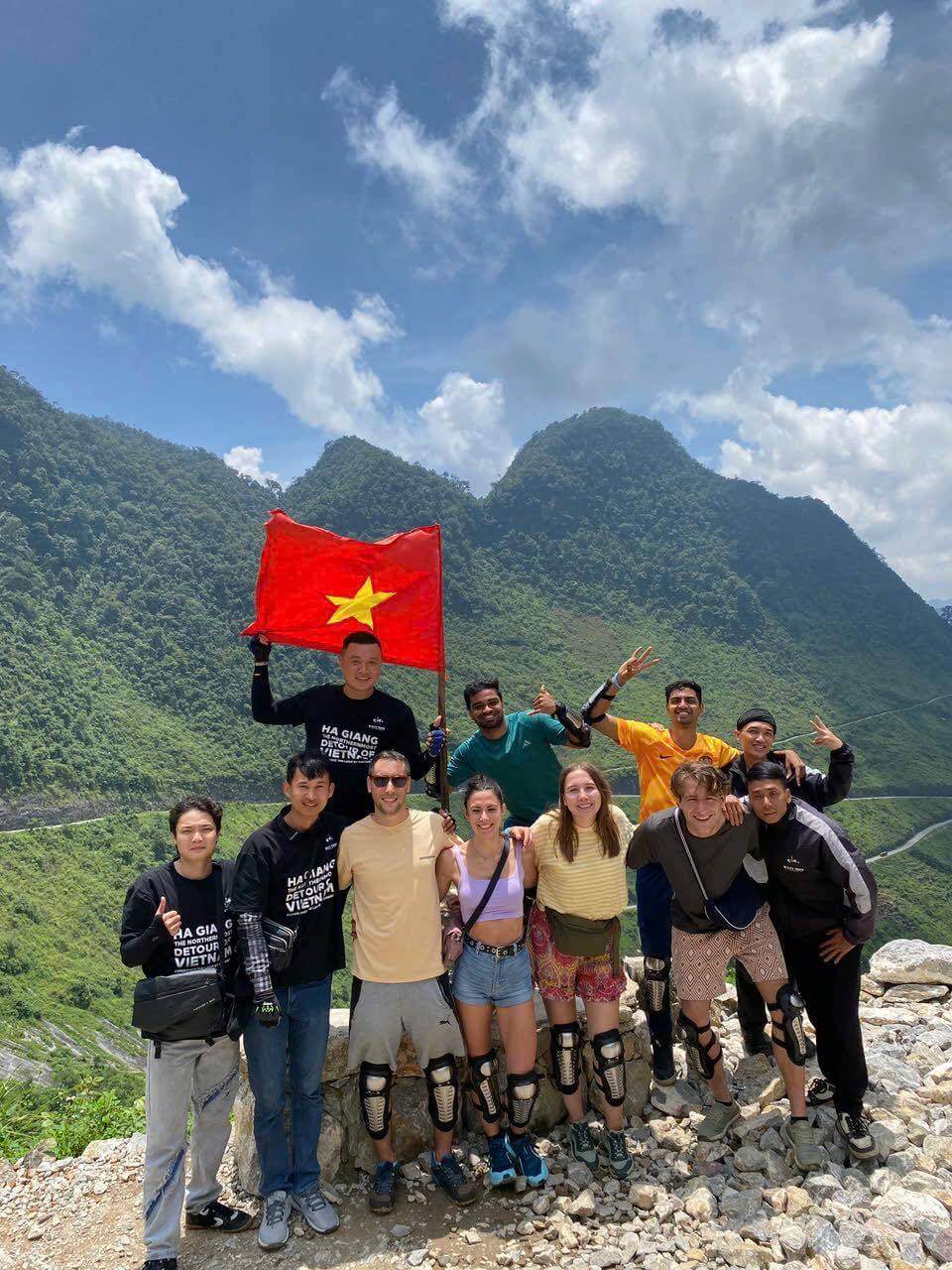
Summer (May to August) is the season of green. The rains bring lush vegetation to the rocky mountains. Everything looks vibrant and full of life.
Falling Water Season: In May and June, water flows from the top of the mountains into the terraced fields. The fields look like giant mirrors reflecting the sky.
Warmth: It is warm and sunny, perfect for those who dislike the cold.
However, summer is also the rainy season. Sudden downpours are common. If you are looking for the best time to visit Meo Vac and Dong Van in summer, check the forecast daily. The green scenery is rewarding, but wet roads require careful driving.
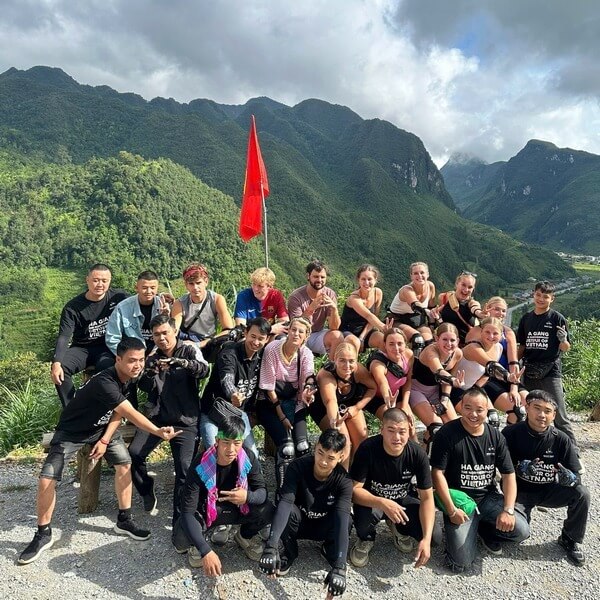
You should not just visit for the views; stay for the culture. Dong Van is home to many ethnic minorities, and their festivals are vibrant and colorful.
Buckwheat Flower Festival: Usually held in mid-November. This is the biggest event of the year to honor the iconic flower of the region.
Khau Vai Love Market: Held around April (Lunar calendar March 27th). This is a unique cultural event where lovers reunite with their loved ones.
Gau Tao Festival: Celebrating the H'mong New Year in early spring with traditional games and music.
Planning your trip around these dates gives you a deeper insight into the local life. You become part of the celebration, not just an observer.
Safety is our top priority for you. While the Ha Giang Loop is beautiful, it can be dangerous during the peak rainy season.
We advise you to avoid traveling during July and August if you are not a confident driver. These months see the heaviest rainfall.
Landslide Risks: Heavy rain can cause rocks and soil to slide onto the roads.
Slippery Roads: The winding passes become slick and treacherous.
Poor Visibility: Thick fog and rain can reduce visibility to near zero.
If you must go during this time, consider hiring a local driver or booking a car tour instead of riding a motorbike yourself. Your safety is worth more than any view.
So, have you decided on your dates yet? The best season to visit Dong Van truly depends on your preference. Choose October or November for the buckwheat flowers and cool air. Pick spring for the peach blossoms and festivals. Or select summer for the lush green terraces.
No matter when you go, prepare well and respect the mountains. Do you have any other questions about the route or gear? Let us know in the comments below!